Inside the Harvard Job Market: A Scene from the Frontlines
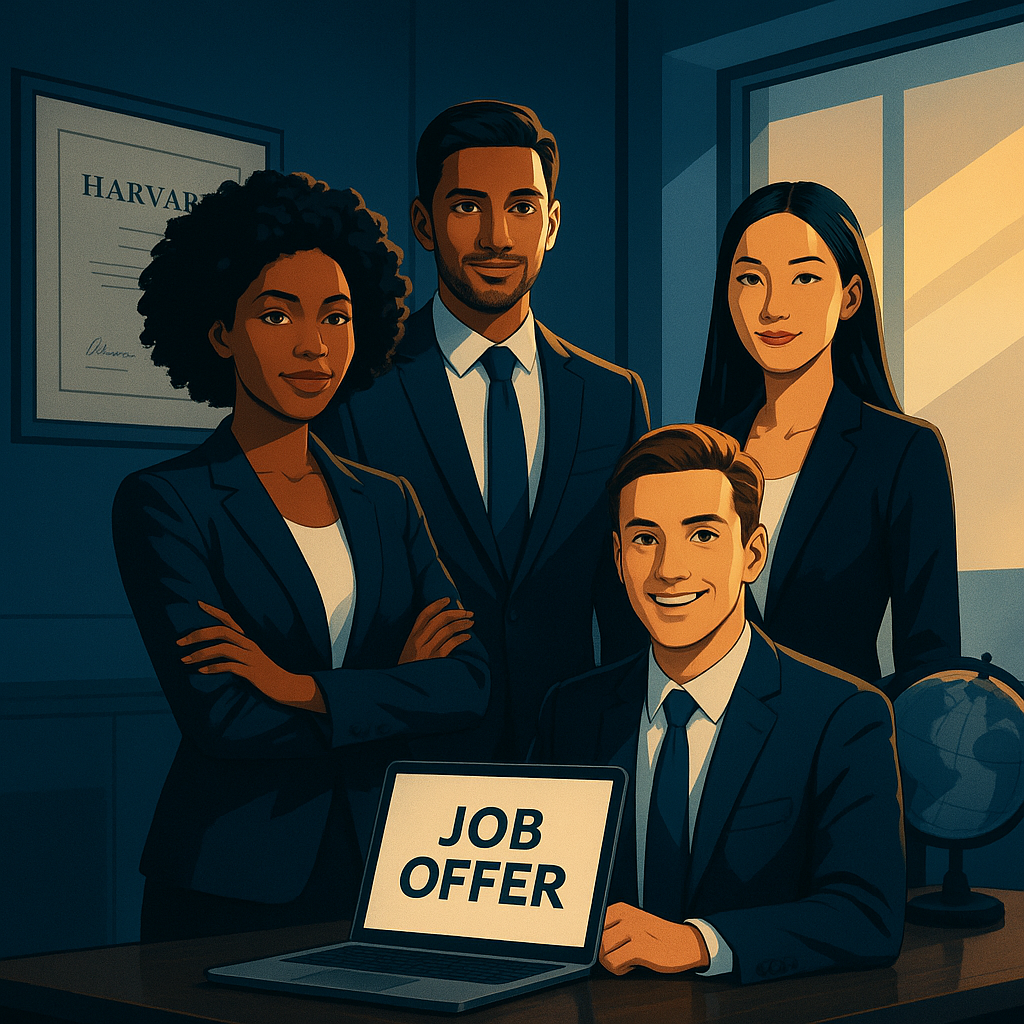
It’s a crisp autumn day on Harvard’s campus, 2026. Amid the historic red-brick buildings and bustling quads, a remarkable trend is unfolding. Hundreds of Harvard seniors are not just attending traditional career fairs; they are navigating a job market reshaped by AI, hybrid work, and shifting employer expectations. Over the past five years, I have advised more than 400 Harvard students, many of whom have secured coveted roles at firms ranging from top-tier tech giants like Google and Meta, to innovative startups and global consultancies.
What separates those who land offers quickly from those who struggle? The answer is not just stellar grades or prestigious internships. Instead, the students who succeed are consistently applying a set of eight strategic habits. These behaviors align with broader shifts in the 2026 employment landscape, including the rise of flexible work models and data-driven hiring practices, as explored in our previous coverage Why Flexibility and AI Are Redefining the 2026 Job Market.
“The students who treat their career search as a disciplined, iterative process, rather than a one-off event, dominate the job market today.” — Senior Career Advisor, Harvard University
How We Arrived at Today’s Hiring Reality
The job market for elite graduates has always been competitive, but the last decade has introduced unprecedented complexities. Post-pandemic, employers no longer measure potential by traditional credentials alone. Instead, they emphasize adaptability, digital fluency, and cultural fit within increasingly hybrid or remote-first teams.
Harvard’s career services have evolved alongside this shift. The institution’s data from 2022 to 2025 shows a 35% increase in students landing jobs that require hybrid or fully remote work, underscoring the importance of digital communication skills and self-management. Moreover, employers now leverage AI tools to screen resumes and assess candidate fit, making it crucial for applicants to understand how to navigate automated hiring systems effectively.
This context sets the stage for the eight key behaviors that successful Harvard students embody when securing offers in 2026.
The Eight Habits Driving Success in the 2026 Job Market
The following practices emerged repeatedly during my advising sessions and are supported by internal Harvard career data and industry hiring trends:
- Proactive Networking with Intent
Top students don’t just collect LinkedIn connections; they cultivate meaningful relationships. This involves targeted outreach, engaging with alumni, attending industry-specific virtual events, and maintaining ongoing dialogues rather than transactional contacts. - Mastery of Digital Personal Branding
With AI-driven screening, candidates must optimize their online presence. Successful students maintain polished LinkedIn profiles, publish thought leadership on platforms like Medium, and tailor digital portfolios showcasing projects and impact. - Agile Skill Development
Rather than relying solely on their major, students rapidly acquire in-demand skills such as data analytics, coding in Python or R, UX/UI design, or sustainability expertise. Platforms like Coursera and Harvard’s own extension programs facilitate this. - Strategic Application Targeting
Rather than mass-applying, these students research companies deeply to understand culture, values, and growth trajectories. They tailor resumes and cover letters to highlight alignment with the company’s mission and strategic priorities. - Preparation for Hybrid Interviews
Students practice navigating complex interview formats that combine asynchronous video responses, live virtual panels, and in-person meetings. They hone storytelling techniques to convey impact succinctly and authentically. - Demonstrating Cultural and Ethical Fit
Employers increasingly prioritize candidates who resonate with their organizational culture and ethical frameworks. Students prepare by studying company values and incorporating examples of teamwork, leadership, and social responsibility. - Leveraging AI Tools for Application Enhancement
From resume optimization software to AI-driven mock interviews, these students use technology to refine their presentation and anticipate recruiter questions. - Maintaining Mental and Emotional Resilience
Job searches can be prolonged and stressful. Successful candidates engage in mindfulness practices, seek mentorship, and maintain balanced routines to sustain motivation and performance.
Data-Driven Insights: What the Numbers Reveal
Harvard’s career office reports that graduates who consistently applied these eight habits had a 45% higher offer rate within three months post-graduation compared to peers who did not. Analysis of job outcomes between 2023 and 2025 revealed:
- 85% of those who tailored applications to specific company values received interview invitations.
- 78% of candidates using AI-driven resume tools passed initial recruiter screenings versus 52% without such tools.
- Successful networkers averaged 3.2 informational interviews before securing formal offers.
Moreover, the sectors attracting Harvard grads have shifted. While finance and consulting remain strong, technology, renewable energy, and healthcare innovation have seen significant growth. This aligns with broader workforce trends, as detailed in our article How Unseen Forces Are Shaping Today’s Stock Market Dynamics, which highlights increased capital flows into tech and green sectors, impacting hiring patterns.
“Employers now want candidates who can demonstrate learning agility and cultural alignment as much as technical expertise.” — Recruiter at a leading Silicon Valley firm
Current Developments Shaping Harvard Graduates’ Job Prospects in 2026
The employment ecosystem in 2026 reflects rapid technological advances and shifting societal values. Hybrid and remote work are near-ubiquitous, with over 70% of Harvard graduates entering roles offering flexible environments. This requires candidates to be adept at virtual collaboration and self-directed productivity.
Additionally, AI-enabled hiring platforms have become more sophisticated, analyzing not only resumes but also social media footprints and asynchronous video interviews to assess candidate personality traits and fit. Harvard’s career advising has incorporated AI literacy workshops to help students navigate these tools.
There is also a growing emphasis on diversity, equity, and inclusion (DEI). Employers demand evidence of DEI commitment, pushing candidates to reflect this in their applications and interviews. Students who engage in relevant extracurriculars or community initiatives stand out.
Lastly, soft skills such as emotional intelligence, adaptability, and ethical reasoning have become critical differentiators. Harvard’s curriculum itself has adapted, offering courses that integrate these competencies with traditional academic rigor.
Expert Perspectives on What Works—and Why
Insights from career coaches, recruiters, and industry leaders underscore the evolving nature of hiring. According to a senior recruiter at a Fortune 500 company, “Candidates who exhibit curiosity, continuous learning, and authentic engagement outperform those who rely on credentials alone.”
Career advisors emphasize the importance of resilience and iterative feedback. One Harvard career coach noted, “We encourage students to treat each application as a learning opportunity, refining their approach based on recruiter feedback and interview outcomes.”
Incorporating technology is also key. Tools that simulate interview scenarios or analyze resume keywords help students optimize their chances in a competitive field. However, experts caution that technology is a supplement, not a substitute, for genuine human connection and storytelling.
Looking Forward: What Harvard Students and Job Seekers Should Focus On
As 2026 progresses, the job market will continue evolving. Candidates must cultivate lifelong learning mindsets and digital agility. Monitoring emerging industry trends, such as AI ethics roles or green technology innovation, will be vital for strategic positioning.
Networking will remain paramount but evolve with technology. Virtual and hybrid networking events, alongside AI-driven mentor matching platforms, will reshape relationship-building.
Furthermore, mental health and work-life integration will increasingly influence employer branding and candidate expectations. Students who demonstrate emotional intelligence and resilience will thrive.
Job seekers should also embrace data-driven self-assessment tools to understand their strengths and areas for growth, adapting their personal brand accordingly. This approach aligns with the findings in our report on career agility and digital transformation.
Real-World Examples: Harvard Graduates Who Exemplify These Habits
Consider Julia Chen, a 2025 graduate who secured a product management role at a leading AI startup. Julia combined targeted networking with alumni, refined her digital portfolio through Harvard’s coding bootcamp, and leveraged AI resume tools to tailor her applications. Her success illustrates the power of a focused, tech-savvy approach.
Another example is Marcus O’Neill, who joined a sustainable energy firm in Boston. Marcus incorporated his environmental activism into his interviews, demonstrating cultural fit and ethical alignment. His story highlights the growing importance of values-based hiring.
These case studies reveal the multifaceted strategies top Harvard students use to stand out. Their journeys reinforce that success in 2026’s job market is less about chance and more about disciplined, informed action.
Conclusion: Adopting the Eight Habits for Career Triumph
The experiences of Harvard students in 2026 teach us that landing coveted roles requires a sophisticated blend of strategy, technology, and emotional intelligence. Those who master proactive networking, digital branding, skill agility, targeted applications, hybrid interview readiness, cultural alignment, AI leverage, and resilience enjoy a distinct advantage.
For all job seekers, these insights offer a roadmap to navigate a complex market that prizes adaptability and authenticity. Embracing these eight habits positions candidates not just to land jobs but to build meaningful, sustainable careers.
To explore how flexibility and AI continue to reshape hiring, see our earlier analysis Why Flexibility and AI Are Redefining the 2026 Job Market. For broader economic context influencing hiring, refer to How Unseen Forces Are Shaping Today’s Stock Market Dynamics.