
Clear documentation stands at the centre of any international move, and Egypt Embassy legalisation plays a vital role in validating UK-issued papers for use in Egypt. Government authorities require official confirmation that documents are genuine before accepting them for work, study, business, or family purposes. Without proper Egypt Embassy legalisation, even genuine certificates may face rejection, delays, or legal complications.
Why Legalisation is Essential for Egypt
Strict regulations in Egypt make legalisation a necessary step for foreign nationals and businesses. Employers demand verified educational certificates, while companies must present authenticated commercial papers to operate legally. Egypt Embassy legalisation confirms the legitimacy of signatures, stamps, and seals, ensuring that documents comply with Egyptian legal standards. Missing this process can lead to visa refusals or operational setbacks.
Key Documents That Require Legalisation
Common documents submitted for Egypt Embassy legalisation include academic certificates, birth and marriage certificates, police clearance documents, and business agreements. Each document type follows a specific pathway before reaching the embassy stage. Educational documents often need prior verification from relevant UK authorities, while commercial documents may require Chamber of Commerce authentication. Ensuring accuracy at each stage helps avoid unnecessary delays.
Step-by-Step Legalisation Process
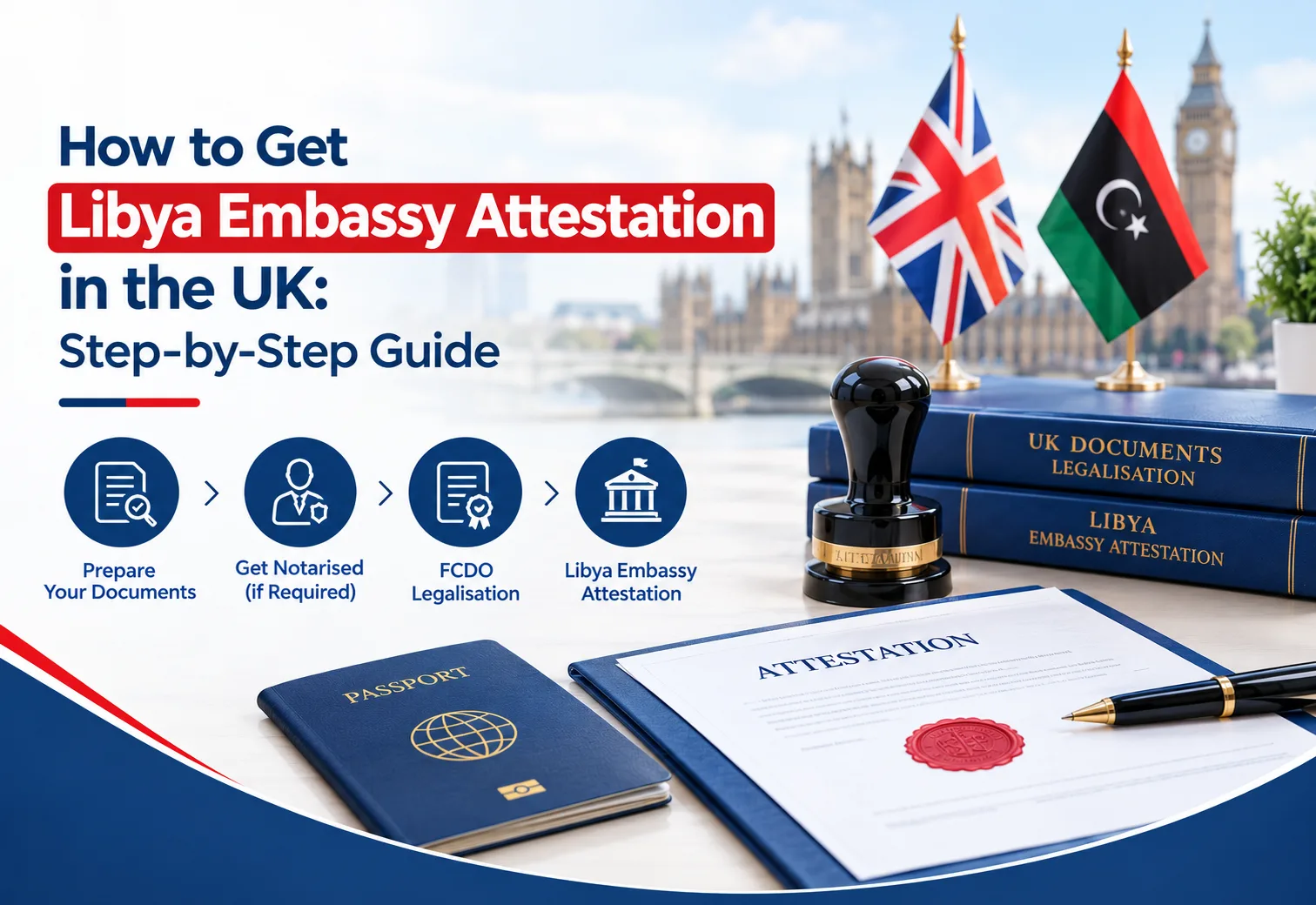
Successful Egypt Embassy legalisation involves a structured process. Documents are first notarised by a UK notary public to confirm authenticity. Following this, they undergo Apostille certification from the UK Foreign, Commonwealth & Development Office. Once apostilled, documents are submitted to the Egyptian Embassy for final legalisation. Each step must be completed correctly, as errors or missing seals can result in rejection.
Latest Updates and Rules to Follow
Recent changes in procedures highlight the importance of accuracy and compliance. Authorities now focus more on document clarity, proper translations, and consistent information across all paperwork. Egypt Embassy legalisation applications must include correctly formatted copies and, where required, certified Arabic translations. Keeping updated with embassy guidelines ensures smoother approvals and prevents unexpected complications.
Common Challenges and How to Avoid Them
Delays often occur due to incomplete paperwork or incorrect notarisation. Careful checking of names, dates, and document formats reduces the chances of rejection. Professional assistance can simplify the Egypt Embassy legalisation process by ensuring every step meets official requirements. Choosing experienced service providers often leads to faster turnaround times and fewer errors.
Apostille & Legalisation Services Helps in Egypt Embassy Legalisation
Professional Apostille and legalisation services play a significant role in simplifying Egypt Embassy legalisation. Expert agencies handle notarisation, Apostille certification, and embassy submission with precision. Their experience ensures documents meet all current rules, reducing stress and saving time. Reliable services also track applications and provide updates, helping individuals and businesses complete the process efficiently without unnecessary delays.