Heart disease affects millions worldwide, and two commonly discussed treatments — EECP (Enhanced External Counterpulsation) and bypass surgery — often raise questions for patients looking for relief. While both therapies can improve blood flow to the heart, they differ in method, intensity, risks, and recovery time.
This article breaks down each option in a simple, clear, and medically responsible way to help patients understand their choices. It does not replace professional medical advice — instead, it can help you have a more informed conversation with your cardiologist.
What Is EECP?
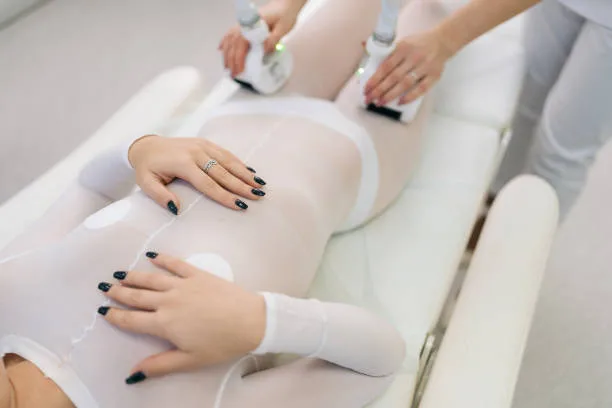
EECP stands for Enhanced External Counter pulsation. It is a non-invasive outpatient procedure that improves blood flow by gently compressing the legs using air cuffs.
- No surgery
- No anaesthesia
- Usually completed over 35 sessions
- Helps promote natural formation of new blood vessels (collateral circulation)
EECP is often recommended for individuals with chronic stable angina who are not responding well to medication or who are unsuitable candidates for surgery.
What Is Bypass Surgery?
Coronary artery bypass grafting (CABG) is a major surgical procedure that restores blood flow to the heart by rerouting blood around blocked arteries.
During surgery:
- Surgeons take a healthy blood vessel from the leg, chest, or arm
- They “bypass” narrowed or blocked portions of coronary arteries
- Requires general anaesthesia and hospitalization
Bypass surgery is considered when blockages are severe, multiple, or causing serious symptoms.
How Both Treatments Work
EECP Mechanism
- Uses leg cuffs to compress during the heart's relaxation phase
- Increases blood flow toward the heart
- Can improve oxygen supply and reduce chest pain over time
Bypass Surgery Mechanism
- Creates a new path for blood to reach the heart
- Provides immediate improvement once the patient recovers
- Often recommended for advanced coronary artery disease
EECP offers several advantages, particularly for high-risk or non-surgical patients:
- Completely non-invasive
- No recovery downtime
- Can reduce episodes of chest pain
- May improve exercise tolerance
- Suitable for elderly or fragile patients
Many patients report feeling improvement after completing the full treatment course.
Benefits of Bypass Surgery
CABG remains one of the most effective long-term treatments for severe heart disease.
It can:
- Dramatically improve blood flow
- Significantly reduce symptoms
- Lower risk of future cardiac events
- Offer long-term relief (often 10+ years)
For patients with multiple blockages, surgery may provide the best clinical outcome.
Recovery Time Comparison
EECP Recovery
- No hospital stay
- Resume daily life immediately
- Completed over 7–9 weeks
Bypass Surgery Recovery
- Hospital stay: 5–7 days
- Full recovery: 2–3 months
- Requires wound care and physical therapy
Who Is an Ideal Candidate?
Best candidates for EECP:
- Patients with angina not relieved by medication
- Those who cannot undergo surgery
- Elderly patients
- Individuals seeking a non-invasive option
Best candidates for bypass surgery:
- Patients with blocked arteries in multiple locations
- Those with severe coronary artery disease
- Patients with diabetes and complex blockages
- Individuals needing long-term, structural blood-flow improvement
Cost Comparison
Costs vary by country and healthcare system, but generally:
- EECP costs far less and requires no hospitalization
- Bypass surgery is significantly more expensive due to surgery, anesthesia, and hospital stays
EECP vs. Bypass Surgery
Feature
EECP
Bypass surgery
Invasive
No
Yes
Hospital stay
None
Required
Suitable for high-risk patients
often
Always
Effectiveness for severe blockages
Limited
Higher
Cost
Lower
Higher
FAQs About EECP and Bypass Surgery
1. Is EECP a replacement for bypass surgery?
Not usually. It’s an alternative for those who cannot undergo surgery or still experience symptoms afterward.
2. Does EECP hurt?
Most patients feel only pressure from the leg cuffs — not pain.
3. How long does bypass surgery last?
Many patients experience benefits lasting 10–15 years or more.
4. Can EECP treat heart failure?
In some cases, yes — but only under a cardiologist’s supervision.
5. Can I do EECP after bypass surgery?
Yes. Many patients use EECP to manage recurring symptoms.
6. Which treatment is better?
Neither is “better” universally. The choice depends on overall health, severity of disease, and medical recommendations.
For more details visit us Shankirupa Heart Care Centre