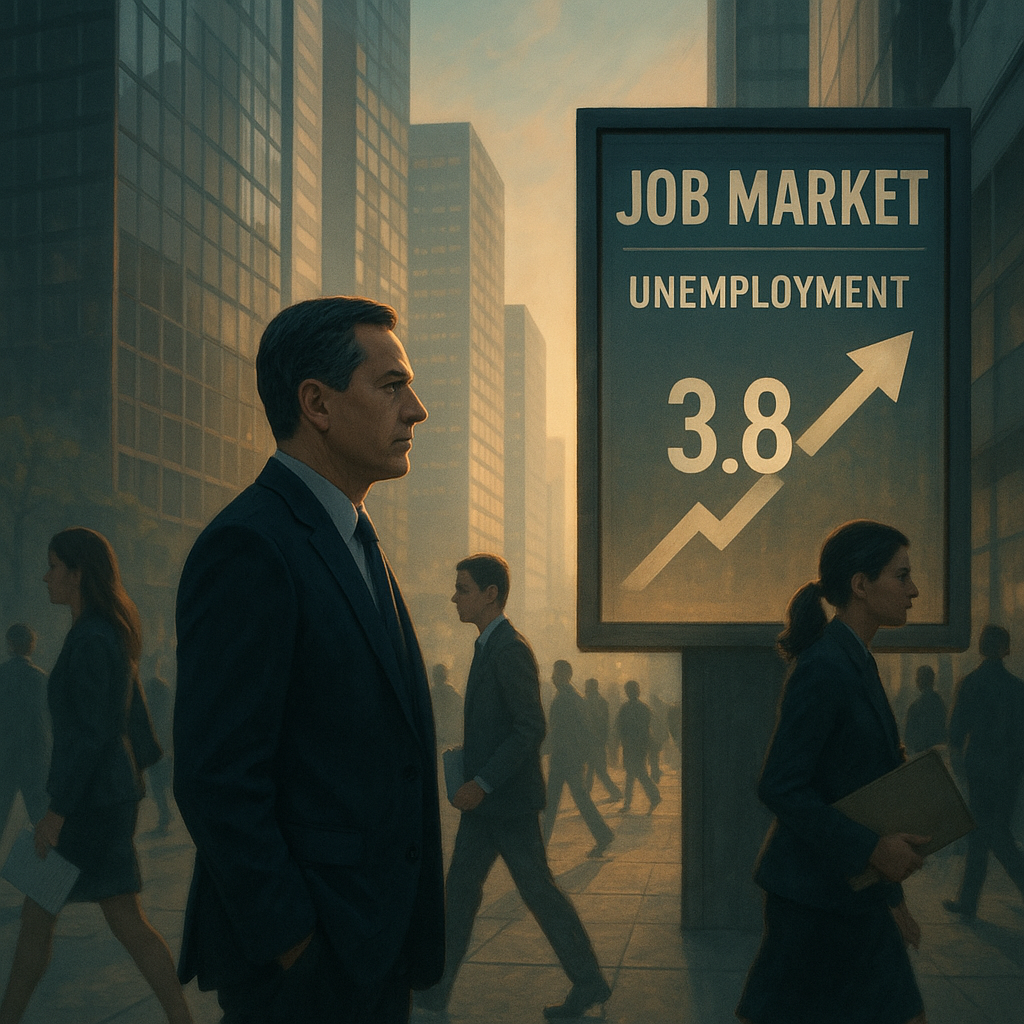

Opening Scene: The Modern Career Landscape in 2026
Imagine a mid-career professional in 2026, sitting in a sleek co-working space in a major city, juggling a hybrid work schedule, AI-driven workflows, and ongoing reskilling efforts. This scene is increasingly common as the nature of work continues to shift dramatically. According to industry estimates, over 60% of workers globally have adapted to hybrid or fully remote work environments by early 2026, a trend accelerated by technological advances and shifting employee expectations. Yet, despite these opportunities, career trajectories have become less linear and far more complex, prompting a profound need for updated, evidence-based career advice.
In this context, traditional career guidance—centered around stable industry roles and predictable advancement—no longer suffices. Instead, professionals must harness data, embrace lifelong learning, and strategically pivot to remain relevant. This article explores the multifaceted dimensions of career advice in 2026, combining historical context, current data, expert insights, and future outlooks to provide actionable guidance for navigating today’s dynamic labor market.
“In an era defined by rapid change and technological disruption, adaptability and continuous learning are the cornerstones of career success,” notes Dr. Elaine Chambers, a leading organizational psychologist.
Background and Context: The Evolution of Career Advice
The concept of career advice has transformed markedly over the past decades. In the mid-20th century, career paths were often linear and tied to specific industries such as manufacturing or government service. Guidance focused on stable employment, credential attainment, and climbing a fixed corporate ladder. By the 1990s and 2000s, the rise of the internet and globalization began to change this paradigm, introducing more fluidity and the possibility of remote work.
Entering the 2020s, the COVID-19 pandemic catalyzed a seismic shift accelerating remote work adoption and digital transformation. According to a 2025 report from the World Economic Forum, nearly 50% of all jobs were expected to require significant digital skills by 2025. This shift exposed fundamental gaps in traditional career advice, which often underemphasized adaptability and self-directed learning.
By 2026, career advice must consider a vastly different context characterized by:
- Technology-driven job displacement and creation, particularly in AI, automation, and green industries
- The normalization of hybrid and remote work models
- Increased emphasis on soft skills such as emotional intelligence, creativity, and cross-cultural communication
- A lifelong learning mindset essential for continuous reskilling and upskilling
The shift from job security to skill security has redefined career success metrics. Building a career is increasingly about managing a portfolio of skills and experiences rather than a single employer relationship. This historical perspective highlights why the strategies of the past no longer guarantee success.
Core Analysis: Data-Driven Career Strategies for 2026
Data from multiple labor market studies in 2026 confirm that the most successful professionals are those who strategically blend technology use, networking, and continuous education. For example, a 2026 LinkedIn Workforce Report reveals that:
- Professionals who update their skills every 6-12 months experience 30% higher salary growth than those who do not
- Individuals with hybrid work experience are 25% more likely to receive promotion opportunities
- Networking through digital platforms leads to 40% more job referrals than traditional methods
These figures underscore the importance of integrating data-backed approaches into career planning. Key strategies include:
- Skill Mapping and Gap Analysis: Utilizing AI-powered tools to assess current skills against industry demand enables targeted learning investments.
- Microlearning and Credentialing: Short, focused courses and digital badges have become mainstream, making continuous learning more accessible and measurable.
- Personal Branding and Online Presence: Maintaining active professional profiles on platforms like LinkedIn and emerging niche networks fosters visibility and opportunity.
- Flexibility in Employment Models: Embracing freelance, gig, and project-based work as legitimate career components rather than fallback options.
“Career resilience in 2026 is less about longevity in one role and more about agility across multiple roles and industries,” explains Rajiv Menon, a career strategist and consultant.
Moreover, comparative analysis shows that workers who engage in annual career audits—reviewing salary benchmarks, emerging skills, and personal goals—outperform peers who rely solely on employer-driven development programs.
Current Developments in 2026: Trends Shaping Career Advice Today
The current career advice landscape reflects several notable 2026 trends:
- AI-Augmented Career Coaching: Career platforms increasingly incorporate AI-driven analytics and personalized recommendations, making tailored guidance scalable and data-rich.
- Focus on Mental Health and Work-Life Integration: Advice now routinely addresses psychological resilience and balance, recognizing burnout as a significant career risk.
- Green Economy Opportunities: The transition to sustainability has created new careers and required reskilling in traditional sectors.
- Global Talent Mobility: Digital nomadism and remote work enable professionals to explore international markets without relocation, expanding career horizons.
These developments reflect a broadening of what career success means beyond salary and title. For instance, an increasing number of companies incorporate employee career pathing tools with integrated wellness resources, reflecting a holistic approach. TheOmniBuzz’s recent coverage of sustainability efforts in 2026 aligns with this shift, highlighting how evolving industries influence career advice.
Expert Perspectives and Industry Impact
Leading career advisors and labor economists emphasize that 2026’s career advice must be multidimensional. Dr. Sandra Liu, a workforce development expert, highlights the rise of "career portfolio management," where individuals curate a diverse set of skills, projects, and professional relationships akin to financial portfolios.
“The future belongs to those who can manage their careers as dynamic assets, continuously optimizing for both risk and opportunity,” Liu states.
This approach impacts industries differently. For example, tech sectors are investing heavily in AI-powered internal career development platforms, while manufacturing increasingly supports reskilling programs targeting automation operators. TheOmniBuzz’s article on law industry trends in 2026 similarly shows how legal professionals adapt through specialization and technology integration.
Additionally, companies face pressure to provide transparent career pathways and equitable development opportunities amid talent shortages. Data from the 2026 Global Talent Mobility Survey reveals that 68% of employers prioritize internal mobility to retain high performers, signaling a shift from recruitment to retention-focused strategies.
What to Watch: Future Outlook and Actionable Takeaways
Looking ahead, the trajectory of career advice suggests several critical developments:
- Increased Personalization via AI: Career guidance will become more granular, leveraging predictive analytics to forecast skill demands and recommend learning pathways.
- Hybrid Credentials and Collaborative Learning: Partnerships between employers, educational institutions, and tech platforms will proliferate, enabling more adaptive credentialing systems.
- Greater Emphasis on Social and Emotional Intelligence: As automation grows, uniquely human skills will gain premium value.
- Enhanced Focus on Career Wellbeing: Integrative approaches incorporating mental health, financial planning, and lifestyle design will become mainstream components of career advice.
For professionals aiming to capitalize on these trends, practical steps include:
- Conduct regular career audits using digital tools for skills inventory and market alignment
- Invest in microlearning and certifications aligned with emerging industry needs
- Build and maintain a strong digital personal brand emphasizing both technical and soft skills
- Seek mentors and peer networks that foster continuous growth and resilience
- Balance ambition with wellbeing to sustain long-term career momentum
“The key takeaway for career success in 2026 is proactive adaptability—anticipating change and preparing before it arrives,” advises career coach Helena Ortiz.
By integrating these insights, individuals can better navigate uncertainty and position themselves for meaningful, rewarding careers.
For readers interested in broader economic and sectoral influences on career decisions, exploring TheOmniBuzz’s real estate trends in 2026 offers valuable context on market dynamics affecting employment and relocation choices.