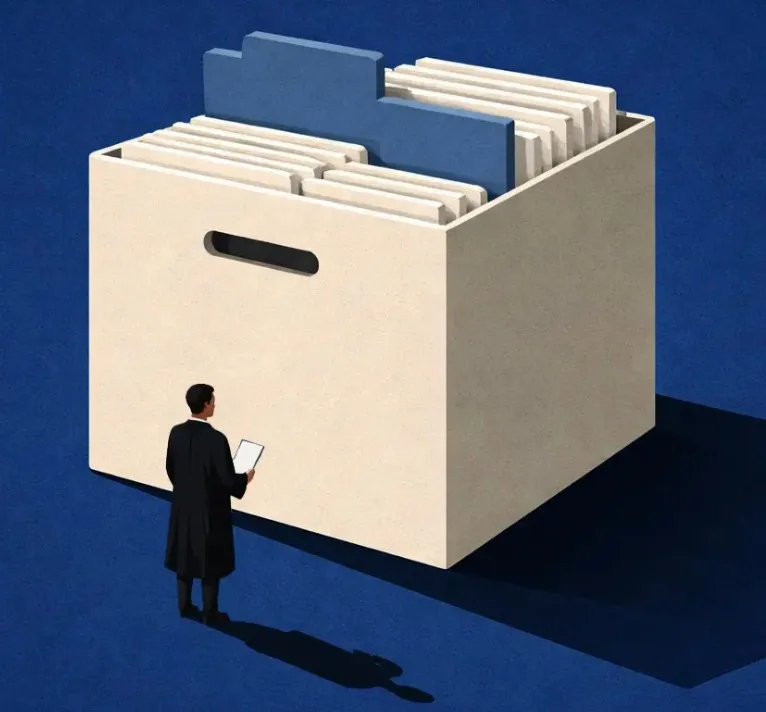
Legal drafting is one of the most important responsibilities in the legal profession. Whether preparing contracts, legal notices, affidavits, petitions, agreements, or compliance documents, every legal document must be accurate, well-structured, and legally sound. However, traditional drafting methods often require significant time, repetitive effort, and multiple revisions. As client expectations continue to rise and caseloads become more complex, many legal professionals are turning to AI for law firms to streamline the process of drafting legal documents while maintaining the highest standards of quality and professionalism.
Why Drafting Legal Documents Requires Precision
Every legal document serves a specific purpose and often carries legal consequences. Even a small drafting error, ambiguous clause, or omission can lead to misunderstandings, contractual disputes, or compliance issues. Lawyers must ensure that every document accurately reflects the intent of the parties involved while complying with applicable laws and regulations.
The drafting process also involves researching relevant laws, reviewing previous documents, incorporating client-specific details, and carefully formatting the final document. Completing these tasks manually for every matter consumes valuable time that could otherwise be spent on legal strategy, client consultations, or courtroom preparation.
Common Challenges in Traditional Legal Drafting
Although legal drafting has always relied on professional expertise, manual workflows present several operational challenges.
Time-Intensive Workflows
Preparing legal documents from the ground up requires lawyers to gather information, draft clauses, review legal language, and make multiple revisions. This process becomes even more demanding when managing numerous clients simultaneously.
Maintaining Consistency
Law firms often produce similar documents across different matters. Ensuring consistent formatting, terminology, and clause structure can be difficult when multiple professionals contribute to the drafting process.
Frequent Revisions
Legal documents rarely reach their final version in a single draft. Client feedback, negotiations, regulatory changes, and internal reviews often require repeated modifications, increasing the workload for legal teams.
Administrative Burden
Many experienced lawyers spend a considerable amount of time on repetitive drafting tasks instead of focusing on legal analysis, negotiations, and client representation.
How AI for Law Firms is Transforming Legal Drafting
The adoption of AI for law firms is helping legal professionals automate repetitive drafting tasks while preserving the lawyer's role as the final decision-maker. Rather than replacing legal expertise, AI serves as an intelligent assistant that improves efficiency and supports higher-quality legal work.
Faster Document Creation
AI-powered platforms generate structured drafts using the information provided by legal professionals. Lawyers can then customise the content according to the specific facts, applicable laws, and client requirements instead of beginning from a blank page.
Improved Consistency
AI helps maintain consistent legal terminology, formatting, and document structure across contracts, agreements, notices, and legal correspondence. This improves the firm's overall document quality and professional presentation.
Reduced Manual Work
By automating repetitive portions of drafting legal documents, AI allows lawyers to spend more time advising clients, preparing legal strategies, conducting negotiations, and appearing before courts.
Simplified Revisions
Legal documents often undergo multiple edits before finalisation. AI-assisted drafting enables lawyers to update clauses, modify provisions, and generate revised versions more efficiently than traditional manual drafting.
Benefits for Different Legal Professionals
Independent practitioners can manage larger workloads without compromising document quality. Small and mid-sized law firms improve productivity while maintaining consistency across client matters. Large firms benefit from standardised drafting processes across multiple teams, while corporate legal departments can prepare contracts and compliance documents more efficiently.
Regardless of practice size, AI for law firms helps legal professionals deliver faster turnaround times while maintaining complete control over legal accuracy.

How AI Supports Different Types of Legal Documents
The scope of drafting legal documents extends far beyond contracts and agreements. Law firms prepare a wide variety of legal documents every day, each requiring careful attention to detail and compliance with applicable legal standards. AI-powered drafting tools can support professionals across multiple practice areas by creating structured first drafts that lawyers can customise according to the facts of each case.
For example, litigation teams frequently prepare pleadings, affidavits, legal notices, written submissions, and court applications. Corporate lawyers draft shareholder agreements, employment contracts, partnership deeds, non-disclosure agreements, and commercial contracts. In-house legal departments often work on compliance reports, policy documents, vendor agreements, and regulatory filings.
By using AI for law firms, legal professionals can maintain consistent drafting standards across all these document types while significantly reducing repetitive work. The technology also simplifies document updates when legal clauses change or clients request revisions, helping firms respond more efficiently without compromising legal accuracy.
Best Practices for Using AI in Legal Drafting
Although AI significantly improves efficiency, legal professionals should always review every AI-generated draft before sharing it with clients or filing it with authorities. Lawyers remain responsible for ensuring legal accuracy, verifying facts, and adapting documents to the applicable jurisdiction.
Firms should also prioritise secure platforms that protect confidential client information through strong security measures and controlled access.
When used responsibly, AI becomes a valuable productivity tool that complements legal expertise rather than replacing it.
Conclusion
The future of drafting legal documents lies in combining professional legal knowledge with intelligent technology. As more firms embrace AI for law firms, they can reduce repetitive work, improve consistency, accelerate document preparation, and enhance client service without compromising legal standards. Solutions like NyayAssist empower legal professionals to modernise their drafting workflows, allowing them to focus on delivering strategic legal advice and achieving better outcomes for their clients.