
In today’s fast-paced digital world, users expect websites and apps to be simple, intuitive, and easy to navigate. If users cannot find what they need within seconds, they are likely to leave and never return. This is where Information Architecture (IA) plays a crucial role. It acts as the backbone of any digital product, ensuring that content is organized, structured, and presented in a way that enhances user experience.
What is Information Architecture (IA)?
Information Architecture (IA) refers to the practice of organizing, structuring, and labelling content so users can easily find information and complete tasks efficiently.
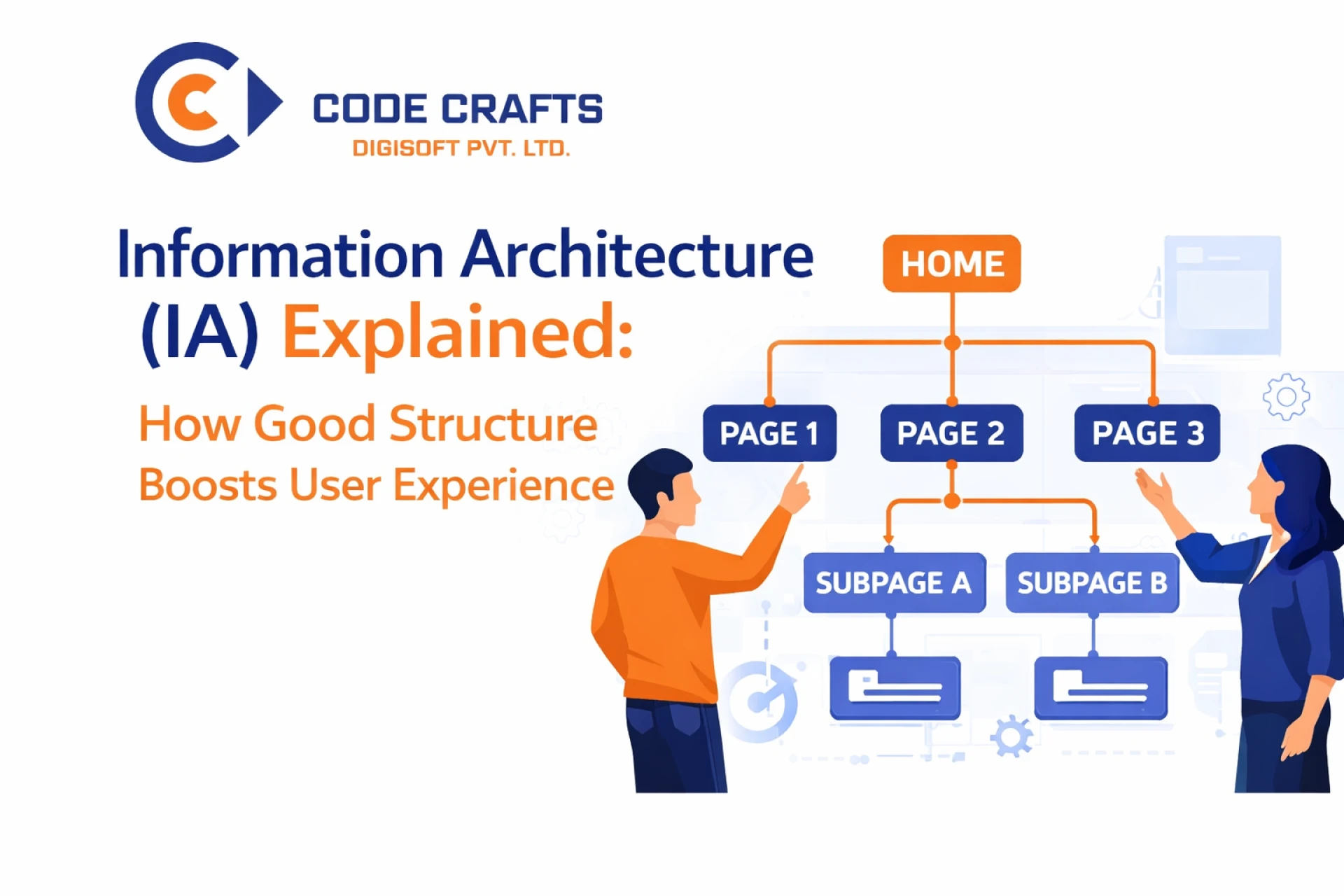
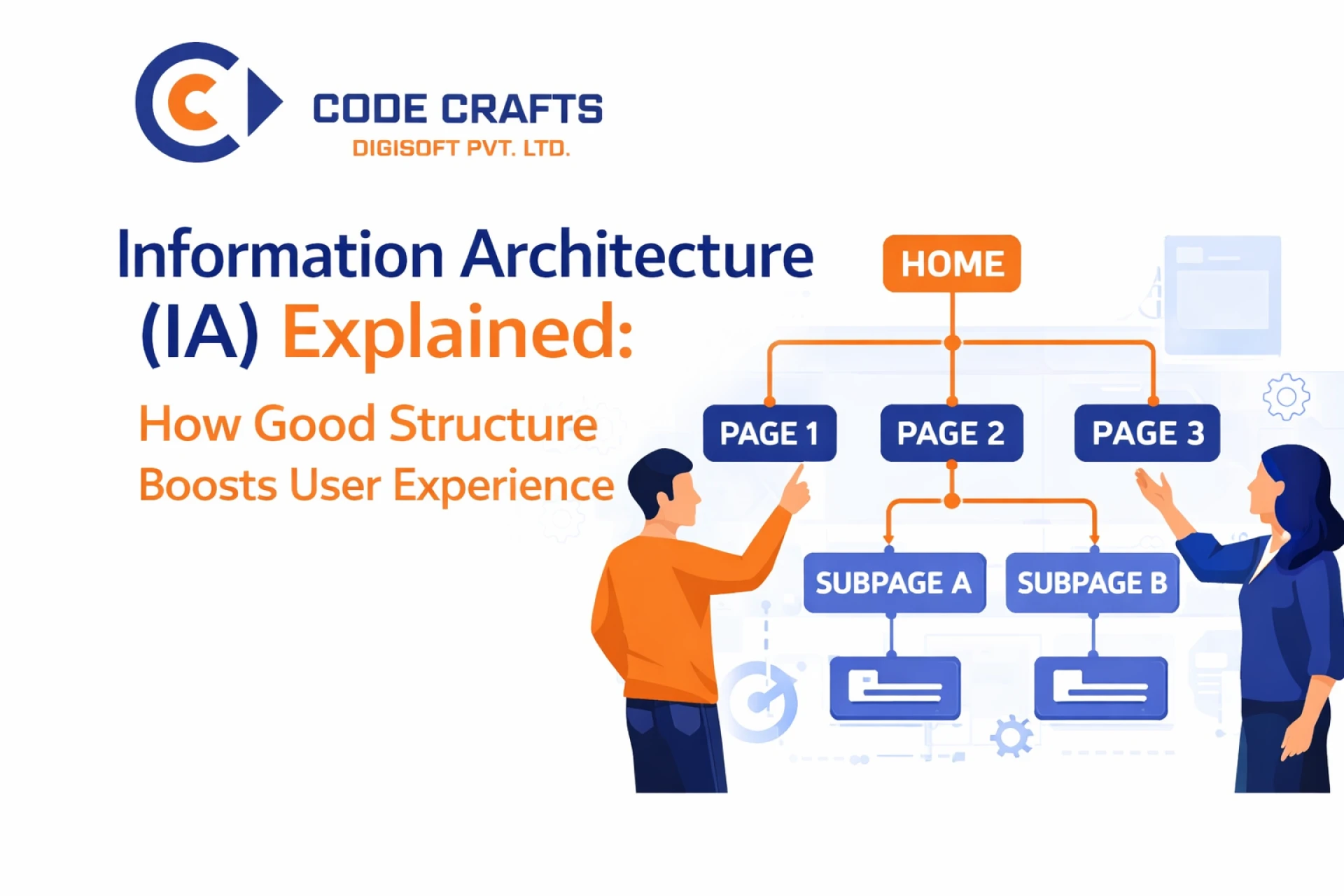
Think of IA as a blueprint for a website or application. Just like a well-designed building has clear pathways and sections, a well-structured digital product ensures users can navigate smoothly without confusion. IA focuses on creating logical hierarchies, intuitive navigation, and meaningful labels that guide users seamlessly through the platform.
Why Information Architecture Matters
A well-planned IA is essential for delivering a positive user experience. Without it, even visually appealing websites can fail due to poor usability. IA ensures that users can quickly find what they are looking for, reducing frustration and improving engagement.
Here are some key reasons why IA is important:
1. Improves Navigation
Good IA organizes content into clear categories and subcategories, making navigation intuitive. Users don’t have to think too much about where to go next, which enhances their overall experience.
2. Reduces Cognitive Load
When information is structured logically, users can process it faster. This reduces mental effort and allows them to complete tasks more efficiently.
3. Enhances User Satisfaction
When users find what they need quickly, they are more likely to stay longer and return in the future. A seamless experience builds trust and satisfaction.
4. Boosts Conversions
Clear structure and navigation help users complete actions like purchases, sign-ups, or inquiries. Poor IA, on the other hand, can lead to abandoned sessions and lost opportunities.
5. Supports Scalability
As a website or app grows, IA ensures that new content can be added without disrupting the existing structure. This makes digital products future-ready.
Key Components of Information Architecture
To understand IA better, let’s break down its core components:
1. Organization Systems
This involves grouping related content together. It can be based on categories, topics, or user needs.
2. Labelling Systems
Labels include menu names, buttons, and links. Clear and consistent labelling helps users understand where they are and where they can go next.
3. Navigation Systems
Navigation includes menus, breadcrumbs, and internal links that guide users across the platform.
4. Search Systems
A robust search feature allows users to quickly find specific information, especially in content-heavy websites.
These components work together to create a seamless and intuitive user journey.
Principles of Effective Information Architecture
To build a strong IA, designers follow certain best practices:
- Clarity: Content should be easy to understand
- Consistency: Use uniform labels and structures
- Hierarchy: Prioritize important information
- User-Centric Design: Structure content based on user needs, not internal assumptions
- Flexibility: Allow room for future growth
By applying these principles, businesses can create digital experiences that feel natural and effortless.
How IA Boosts User Experience
Information Architecture directly impacts how users interact with a product. Here’s how it improves UX:
- Faster Access to Information: Users can locate what they need quickly
- Better Engagement: Clear structure encourages users to explore more
- Lower Bounce Rates: Users are less likely to leave due to confusion
- Improved Accessibility: Structured content is easier for all users, including those with disabilities
In short, IA transforms complex information into a simple and enjoyable experience.
Real-World Example
Consider an e-commerce website with thousands of products. Without proper IA, users would struggle to find items. However, with a clear structure like categories, filters, and search options, users can easily navigate and make purchases. This demonstrates how IA directly influences business success.
How Code Crafts Digisoft Pvt. Ltd. Can Help
When it comes to building user-friendly digital platforms, Code crafts Digisoft stands out as a trusted partner. As a leading software development company, it focuses on creating scalable and intuitive solutions that prioritize user experience.
Here are some key benefits of choosing Codecrafts Digisoft:
- User-Centric Design Approach: The team ensures that every project is designed with the end-user in mind, incorporating strong IA principles.
- Custom Software Solutions: Tailored applications that align with business goals and user expectations.
- Scalable Architecture: Future-ready designs that grow with your business.
- Improved Conversion Rates: Optimized structure and navigation to drive better results.
- Expert UI/UX Strategy: Combining IA with modern design practices to deliver seamless experiences.
By integrating effective Information Architecture into every project, Codecrafts Digisoft helps businesses enhance usability, engagement, and overall performance.
Conclusion
Information Architecture is more than just organizing content—it is the foundation of a great user experience. A well-structured digital product not only helps users find information but also improves engagement, satisfaction, and conversions.
In an increasingly competitive digital landscape, investing in strong IA is no longer optional—it is essential. Businesses that prioritize structure and usability will always have an edge over those that don’t.
Whether you are building a website, mobile app, or enterprise platform, focusing on Information Architecture can significantly impact your success. And with the expertise of Codecrafts Digisoft, you can create digital solutions that are not only functional but also intuitive and user-friendly.