
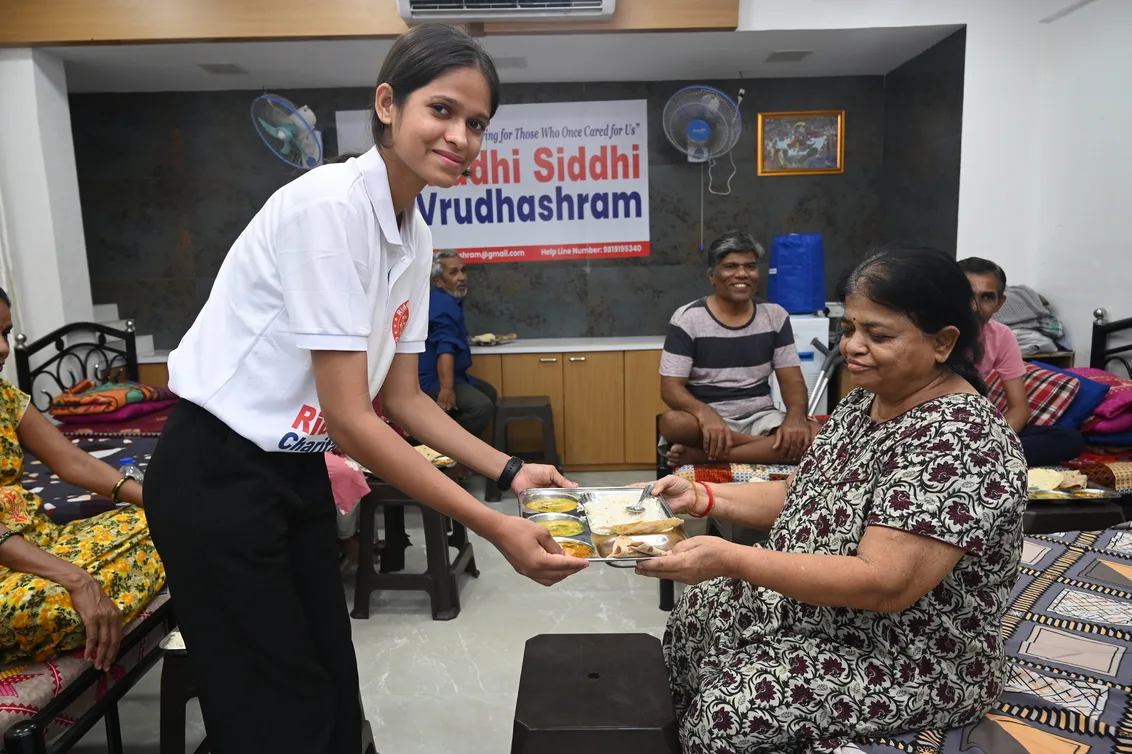
In today’s rapidly aging society, the need to donate medicines for old age home residents has become more critical than ever. Alongside this, structured corporate donation elderly support initiatives are emerging as powerful mechanisms to ensure that senior citizens receive timely healthcare, dignity, and a better quality of life. With limited access to medical resources, many elderly individuals in care homes depend heavily on external support systems for their daily medicinal needs.
Understanding the Need for Medicine Donations
Old age homes often house individuals who suffer from chronic illnesses such as diabetes, hypertension, arthritis, and respiratory conditions. These ailments require consistent medication, which can be financially burdensome for institutions operating on limited budgets.
Medicine donations help bridge this gap by:
- Ensuring uninterrupted treatment for residents
- Reducing healthcare expenditure for care facilities
- Improving overall health outcomes and longevity
Unlike general donations, medicines directly impact survival and comfort, making them one of the most valuable contributions.
Types of Medicines That Can Be Donated
Not all medicines are suitable for donation. It is essential to contribute responsibly by focusing on usable, safe, and relevant supplies.
Commonly required medicines include:
- Basic over-the-counter drugs (paracetamol, antacids, vitamins)
- Prescription medications for chronic conditions
- First aid supplies (bandages, antiseptics)
- Mobility and health aids (adult diapers, glucose monitors)
Important considerations:
- Medicines should be unexpired and sealed
- Proper labeling must be intact
- Storage conditions should be maintained
Role of Corporate Donation in Elderly Support
Corporate entities play a crucial role in scaling healthcare support for elderly communities. Through Corporate Social Responsibility (CSR) initiatives, businesses can create sustainable models of care.
Key Contributions by Corporates
- Bulk Medicine Procurement Companies can leverage their financial capacity to purchase medicines in bulk at reduced costs.
- Healthcare Partnerships Collaborations with hospitals and pharmacies enable regular medical check-ups and medicine supply chains.
- Awareness Campaigns Corporates can promote employee-driven donation drives, encouraging participation at scale.
- Infrastructure Support Beyond medicines, companies often fund medical equipment and healthcare facilities within old age homes.
Benefits of Corporate Involvement
Structured corporate donation elderly support provides multiple advantages:
- Consistency: Regular supply of medicines ensures continuity in treatment
- Scalability: Larger organizations can support multiple care homes simultaneously
- Accountability: Formal CSR frameworks ensure transparent and efficient utilization
- Employee Engagement: Encourages a culture of empathy and social responsibility
How Individuals and Businesses Can Contribute
Whether you are an individual donor or part of an organization, there are practical ways to contribute effectively.
For Individuals
- Donate unused, valid medicines responsibly
- Sponsor monthly medication kits for residents
- Participate in local donation drives
For Corporates
- Integrate elderly healthcare into CSR strategies
- Organize periodic medicine donation campaigns
- Partner with healthcare providers for long-term support
Ensuring Ethical and Safe Donations
While the intent to help is commendable, improper donations can create risks. Ethical donation practices are essential.
Follow these guidelines:
- Avoid donating partially used or expired medicines
- Coordinate with care homes to understand actual needs
- Ensure compliance with healthcare regulations
- Maintain transparency in large-scale donations
The Broader Impact on Society
Supporting elderly healthcare through medicine donations and corporate initiatives contributes to a more compassionate and inclusive society. It addresses systemic gaps in elderly care while reinforcing the importance of collective responsibility.
Long-term impacts include:
- Reduced healthcare inequality among senior citizens
- Improved living standards in old age homes
- Strengthened community-corporate relationships
- Promotion of sustainable social welfare models
Moving Toward a Sustainable Future
The intersection of individual compassion and corporate responsibility holds the key to transforming elderly care. When efforts to donate medicines are aligned with structured corporate programs, the result is a sustainable and impactful support system.
Creating long-term change requires:
- Continuous engagement rather than one-time donations
- Strategic planning in corporate initiatives
- Community awareness and participation
Conclusion
Healthcare is a fundamental necessity, especially for the elderly who are often vulnerable and dependent. By choosing to contribute through medicine donations and encouraging corporate involvement, society can ensure that no senior citizen is deprived of essential medical care.
A coordinated approach combining individual efforts and corporate donation elderly support can build a future where aging is not associated with neglect, but with dignity, care, and respect.