From Tradition to Tech: A New Dawn in Spanish Brewing
Spain’s brewing industry, steeped in centuries of tradition and cultural pride, has encountered a transformative force that few could have anticipated a decade ago: cutting-edge technology. At the heart of this transformation is a major Spanish brewing company whose embrace of digital innovation has redefined its business strategy, operational efficiency, and market responsiveness. This company, recognized for its iconic brands and deep-rooted heritage, is leveraging data analytics, artificial intelligence (AI), and the Internet of Things (IoT) to remain competitive in a rapidly changing global market.
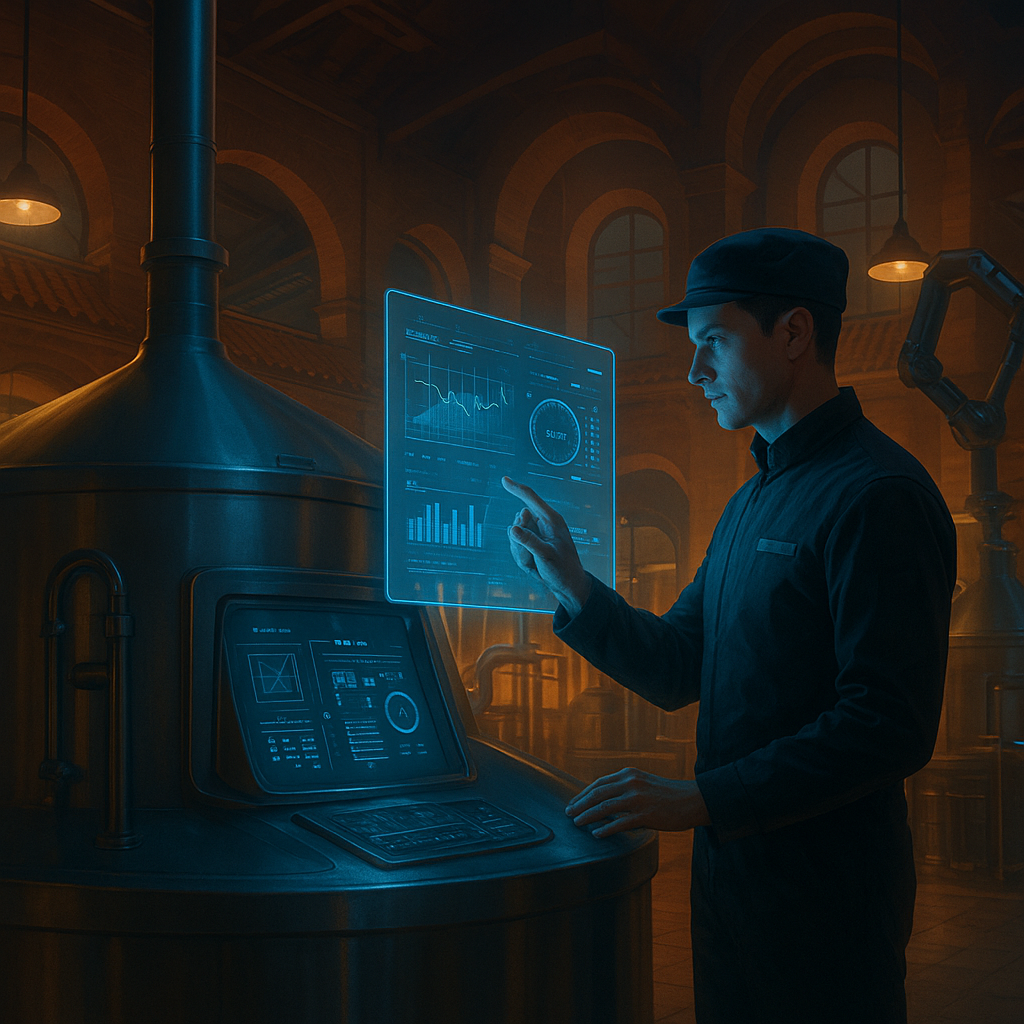
The scene is striking—high-tech sensors monitor fermentation tanks in real time, AI algorithms predict consumer trends with remarkable accuracy, and blockchain secures the supply chain from barley to bottle. This is not a futuristic concept but the current reality for this Spanish brewing powerhouse. As demand for craft and specialty beers soars, alongside sustainability imperatives and digital consumer engagement, the company's strategic pivot offers a compelling case study in marrying tradition with technology.
"Our commitment to innovation ensures we honor our heritage while meeting the challenges of a digital economy," says the company’s CTO, underscoring the delicate balance between authenticity and modernization.
According to industry reports, Spanish beer consumption has stabilized after years of growth, prompting brewers to innovate not just in product development but in how they manage supply chains, customer relationships, and production processes. The brewing company’s journey exemplifies this evolution, setting benchmarks for the entire sector.
Historical Context: Brewing Meets the Digital Age
Spain’s brewing roots trace back to Roman times, with modern commercial brewing taking off in the 19th century. Traditionally, Spanish breweries focused on volume and regional tastes, relying on time-tested methods and local knowledge. However, globalization and the rise of international craft beer brands introduced new competitive pressures. By the early 2020s, digital transformation became a strategic imperative rather than a luxury.
Early efforts at digital adoption were fragmented—some breweries experimented with simple ERP systems or online marketing, but comprehensive tech integration lagged. This Spanish brewer broke the mold in 2022 by investing heavily in an integrated digital platform that unified production, logistics, sales, and customer engagement. This initiative was informed by lessons from other sectors, including energy and manufacturing, where technology had already revolutionized operations.
The transformation was not immediate. It involved retraining staff, restructuring workflows, and collaborating with technology partners. The COVID-19 pandemic accelerated digital adoption across industries, catalyzing a shift in consumer behavior towards e-commerce and digital experiences, which the brewery capitalized on swiftly.
Data-Driven Brewing: Harnessing Analytics and AI
One of the most significant technological advancements embraced by the brewer is the use of advanced data analytics and AI to guide strategic decisions. The company implemented a centralized data warehouse that aggregates information from production lines, supply chain systems, sales channels, and social media sentiment analysis.
Artificial intelligence models analyze this data to forecast demand at a granular level, optimizing inventory and reducing waste. For instance, machine learning algorithms identify emerging flavor trends by scanning social media posts and online reviews, enabling the brewer to develop new seasonal or limited-edition beers aligned with consumer preferences.
“AI doesn’t replace the brewer’s intuition; it enhances it by providing insights that would otherwise take months to uncover,” explains the head of R&D.
The results are measurable. Production efficiency has improved by approximately 15% since 2024, while product launch success rates have increased due to more accurate consumer insights. These figures align with findings from a recent TheOmniBuzz report on AI in business strategy, which highlights the transformative impact of AI in decision-making processes.
- Demand forecasting accuracy improved by 20%
- Inventory holding costs reduced by 12%
- New product development cycle shortened by 25%
By integrating AI into its business strategy, the brewery ensures agility—a crucial advantage in an industry where consumer tastes can shift rapidly.
IoT and Automation: Streamlining Production and Sustainability
The brewery’s adoption of IoT technologies represents another cornerstone of its digital strategy. Sensors embedded throughout the production facility monitor temperature, humidity, and fermentation parameters 24/7, feeding data into a cloud-based platform accessible to both onsite operators and remote managers. This real-time visibility enables proactive adjustments, reducing product defects and downtime.
Automation has also played a pivotal role. Robotic systems now handle packaging and palletizing, increasing speed and reducing human error. Together with IoT, automation supports the company’s sustainability goals by minimizing energy consumption and waste.
In 2025, the brewery launched an initiative to use AI-driven predictive maintenance, which anticipates equipment failures before they occur, decreasing unplanned outages by nearly 30%. These efficiencies have helped the company cut its carbon footprint, aligning with broader European Union sustainability targets.
“Technology empowers us to brew better beer while being better stewards of the environment,” states the sustainability director.
- Real-time fermentation monitoring
- Automated packaging lines
- Predictive equipment maintenance
- Energy usage optimization
This holistic approach to technology deployment illustrates how operational excellence and environmental responsibility can reinforce each other.
Consumer Engagement and Market Expansion Through Digital Channels
Beyond production, the company has harnessed technology to deepen consumer relationships. Leveraging CRM systems integrated with AI-powered chatbots, the brewery offers personalized recommendations and promotions to customers via mobile apps and social media platforms.
Virtual tasting events and augmented reality (AR) experiences allow consumers to explore brewing processes and brand stories from their homes, enhancing engagement in an increasingly digital marketplace. Data from these interactions feeds back into marketing strategies, creating a continuous improvement loop.
Additionally, blockchain technology ensures product authenticity and traceability, addressing growing consumer concerns about transparency. Customers can scan labels to verify the origin of ingredients and production methods, increasing trust and brand loyalty.
This digital-first approach has enabled the brewery to expand into new markets, including Asia and North America, where digital channels dominate purchasing behavior.
Industry analysts note that these efforts mirror broader trends documented in TheOmniBuzz coverage on corporate digital strategy, highlighting the strategic importance of integrated digital ecosystems.
Looking Ahead: Challenges and Opportunities in the Next Five Years
As the brewery continues to innovate, several challenges and opportunities lie ahead. Cybersecurity remains a critical concern with increasing digitalization. The company has invested heavily in protecting its data assets, acknowledging insights from experts on why cybersecurity is paramount to business survival today.
On the opportunity side, advances in AI promise even more refined consumer insights and operational efficiencies. The integration of 5G networks is expected to enhance IoT applications, enabling faster, more reliable data flows.
Moreover, sustainability will remain a central strategic pillar. The brewery plans to expand its use of renewable energy and circular economy practices, aiming to become carbon-neutral by 2030.
“Sustainability and technology are not just trends; they are the foundation of our future success,” remarks the CEO.
- Enhanced AI-driven product innovation
- Expansion of digital consumer engagement platforms
- Continued commitment to environmental sustainability
- Robust cybersecurity frameworks
These initiatives position the brewery not only as an industry leader in Spain but as a global exemplar of how technology can guide business strategy in traditional sectors.
For businesses looking to emulate this model, understanding the importance of integrated digital ecosystems and strategic agility is paramount. The brewery’s experience underscores the value of embracing change while preserving core brand values.
To explore how digital transformation reshapes other industries, readers can also consult TheOmniBuzz’s insights on rethinking business strategy amid AI’s unstoppable rise and the evolving strategic approaches in sports industries like cricket, as detailed in How Cricket’s Strategic Evolution Is Redefining Its Global Reach.