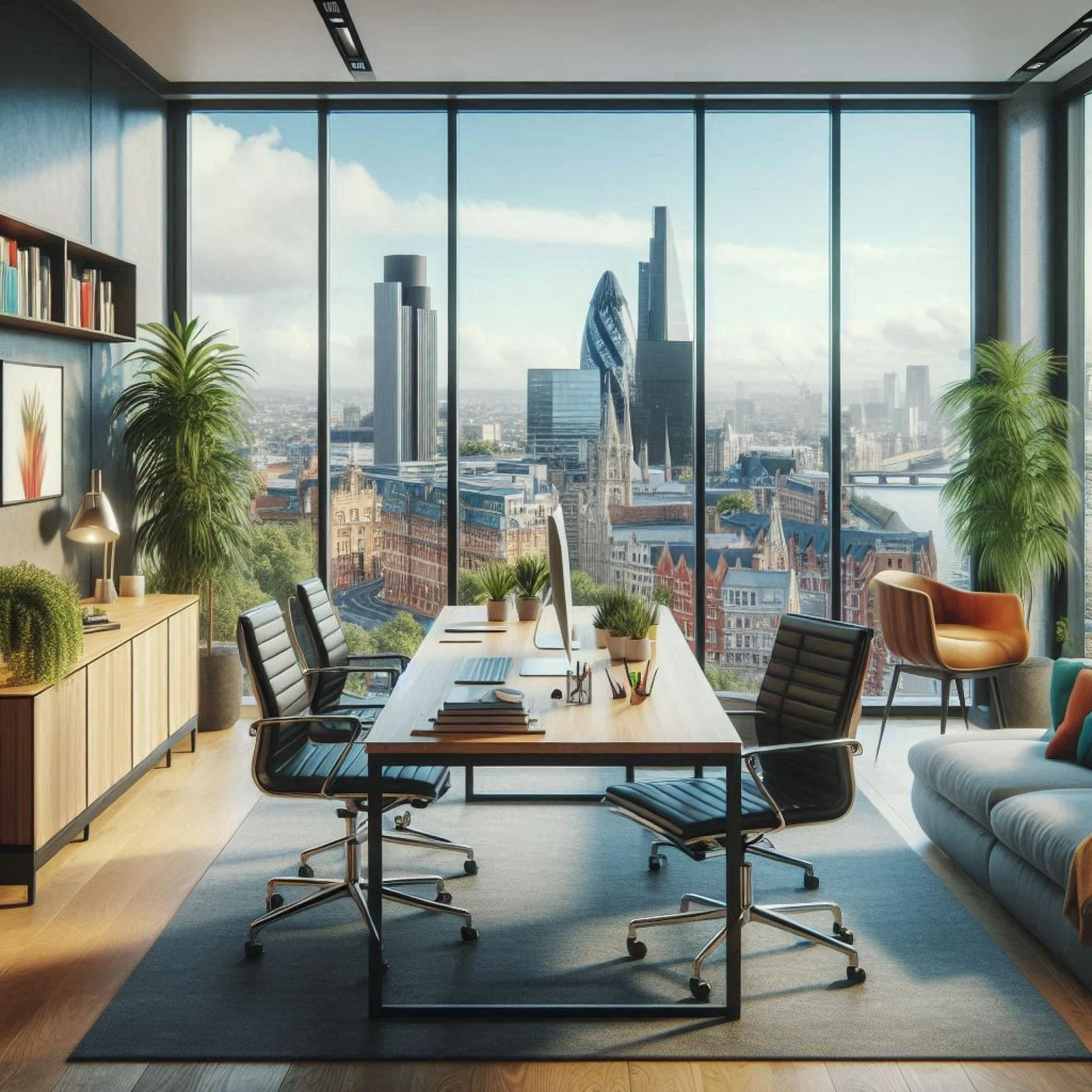
From ergonomic chairs in co-working hubs to sustainable desks in home offices, the UK office furniture scene is undergoing a transformation that’s equal parts stylish, strategic, and sustainable. As hybrid work solidifies its presence, furniture manufacturers, designers, and corporate buyers alike are rethinking everything — from spatial layout to wellness design.
Let’s delve into the most revealing insights from the UK’s office furniture landscape and what they mean for businesses, designers, and workers navigating the evolving modern workspace.
Ergonomics as Standard, Not Luxury
Gone are the days when lumbar support and adjustable armrests were perks reserved for executive suites. With musculoskeletal issues rising due to remote work and makeshift desk setups during the pandemic, UK employers are under increasing pressure to provide ergonomic solutions for everyone — in office and at home.
· Insight: According to recent procurement data, the demand for ergonomically certified furniture in the UK has grown by over 40% since 2022. Employers are investing in posture-friendly seating, sit-stand desks, and footrests as part of wellness budgets.
· Trend Takeaway: Businesses that invest in ergonomics reduce absenteeism and boost productivity. If it doesn't support your spine, it's out.
Sustainability Takes the Spotlight
Green is no longer just a colour trend — it's a core value in the UK office furniture market. As companies face increasing ESG (Environmental, Social, and Governance) scrutiny, the demand for sustainable furniture is surging.
· Insight: BIFMA (the British International Furniture Manufacturers Association) reports that furniture made from recycled or FSC-certified materials is leading purchasing preferences, especially in public sector tenders.
· Trend Takeaway: Carbon-neutral furniture sourcing is becoming a procurement must-have. Expect more upcycled, modular designs and UK-made products to reduce shipping emissions.
Hybrid Work Spurs Modular Design Boom
Offices are no longer static spaces. The rise of hot desking, part-time office attendance, and agile workforces means furniture must now flex and flow with the space.
· Insight: The modular furniture market is forecasted to grow at a CAGR of 7.2% in the UK through 2028. Stackable storage, mobile meeting pods, and foldable desks are in high demand.
· Trend Takeaway: Flexibility is now more important than square footage. Design for movement, collaboration, and quick reconfigurations.
Technology-Integrated Furniture
Smart desks are here, and they're smarter than ever. Tech is now being embedded into office furniture in ways that improve user experience and productivity.
· Insight: Tech-integrated furniture — from USB-C charging desks to sensor-activated sit-stand solutions — is becoming increasingly standard in new UK office fit-outs. IoT-enabled furniture is being used to monitor occupancy and energy usage.
· Trend Takeaway: Your next desk might be more connected than your smartphone. Expect tech to blend seamlessly with form and function.
Wellbeing & Biophilic Design Dominate
Employee wellbeing is at the heart of furniture design. Biophilic principles — incorporating elements of nature — are now fundamental in UK office interiors.
· Insight: A 2024 RIBA (Royal Institute of British Architects) survey found that 3 in 5 UK office refurbishments included natural textures, greenery, and acoustic zoning using furniture design.
· Trend Takeaway: Think moss walls, acoustic felt booths, and timber-legged seating. The more an office feels like a nature retreat, the happier the workers.
UK Manufacturing Resurgence
Post-Brexit and post-pandemic supply chain issues have caused a noticeable shift towards sourcing locally. This has benefited the domestic UK office furniture manufacturing industry.
· Insight: British-made furniture is enjoying a renaissance, with a focus on high-quality craftsmanship and fast lead times. Made-in-Britain certifications are influencing buyer decisions more than ever.
· Trend Takeaway: Local sourcing isn’t just patriotic — it’s practical, sustainable, and increasingly cost-effective.
The Office Is Now a Branding Tool
Offices aren’t just places to work — they’re visual extensions of a company’s brand. Furniture choices play a major role in expressing corporate identity, from culture-driven breakout zones to client-facing meeting pods.
· Insight: UK creative and tech industries are leading the charge, designing spaces where furniture is selected as much for brand messaging as for functionality.
· Trend Takeaway: Bespoke is booming. Companies are opting for custom-coloured seating, branded partitions, and experiential furniture to wow clients and talent alike.
The UK office furniture industry is more dynamic and design-conscious than ever before. With a strong emphasis on health, sustainability, and flexibility, today's furniture is no longer just about where we sit — it’s about how we work, how we feel, and how businesses define themselves.
Whether you're a facilities manager planning a refit, a startup designing your first office, or a remote worker rethinking your home setup, these insights reveal the broader story — that furniture is now a strategic asset.