Communicating a change in an employee’s position can be one of the more challenging responsibilities for HR teams. A demotion, whether due to performance, restructuring, or other organizational needs, requires careful handling to maintain professionalism and clarity. Using a demotion letter template can simplify this process, ensuring all necessary details are included and that the communication is both clear and respectful.
A demotion letter is more than just a notification. It serves as a formal record of the change and outlines the employee’s new role, responsibilities, and any adjustments in compensation. HR teams benefit from having a template that standardizes this communication, allowing them to create letters efficiently while maintaining a professional tone. This approach ensures consistency across the organization and reduces the risk of misunderstandings or legal complications.
When preparing a demotion letter, it is important to communicate the decision with empathy. Employees may feel uncertain or disappointed about a change in their position, so a letter that is clear yet respectful helps in maintaining their dignity. The letter should focus on business reasons rather than personal judgments, emphasizing that the decision is organizational rather than a reflection of the employee’s character.
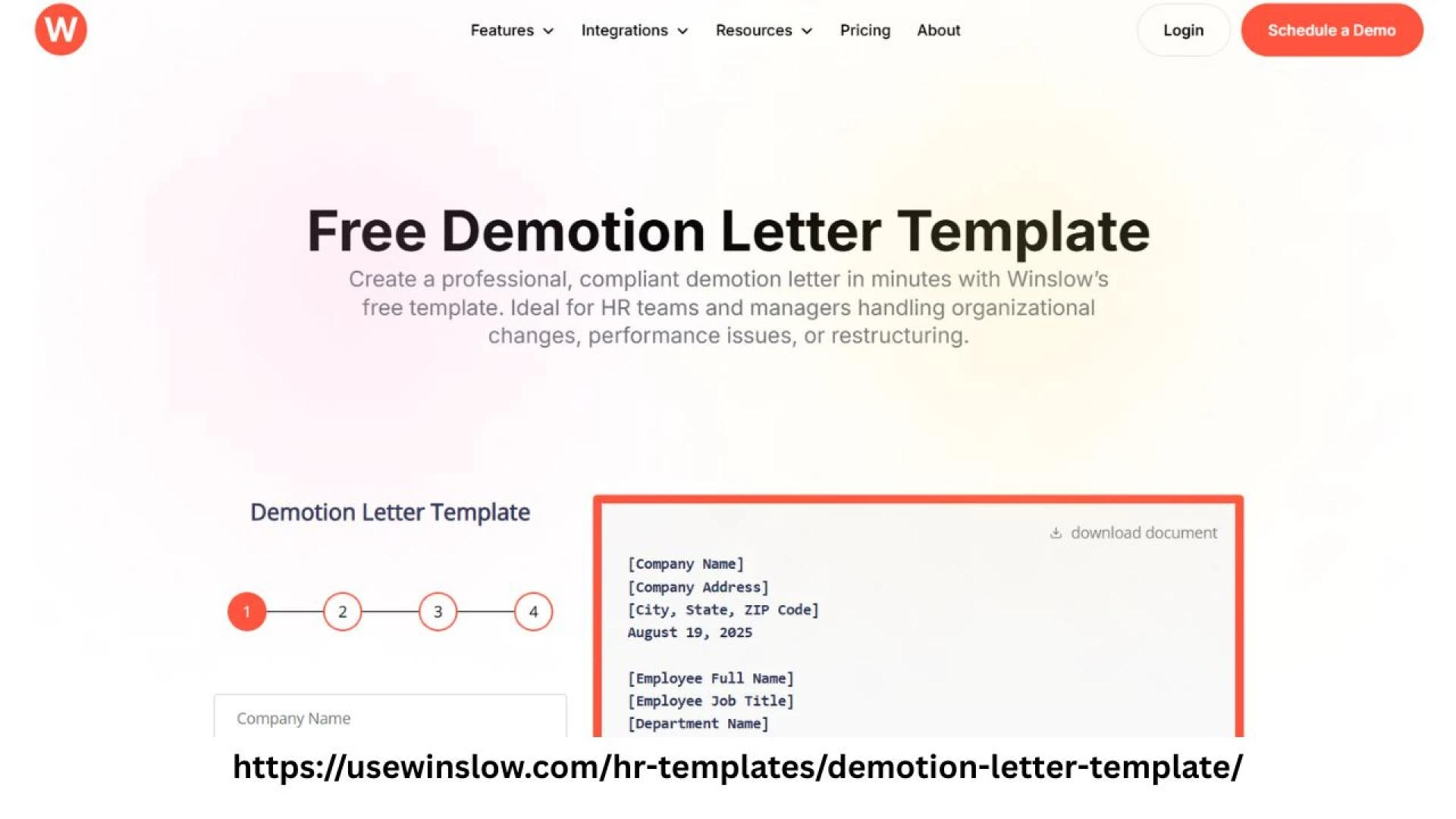
A demotion letter template typically includes key elements such as the purpose of the letter, the employee’s new title, revised duties, any changes to salary or benefits, and the effective date. The reason for the demotion should be addressed in an objective and professional manner. For example, if performance issues are the cause, referencing prior discussions, performance evaluations, or documented concerns can provide clarity and transparency. This not only helps the employee understand the rationale but also serves as a record for HR purposes.
Including supportive language in a demotion letter can make a significant difference in how the message is received. Phrases that convey confidence in the employee’s abilities and encourage growth in the new role help maintain engagement and morale. Even in difficult situations, employees are more likely to respond positively when they feel valued and supported, rather than criticized or blamed.
The structure of a demotion letter also plays an important role in effective communication. A well-organized letter includes an opening statement, explanation of the change, details about the new position, any relevant compensation information, and a closing paragraph that expresses support and outlines next steps. Using a template ensures that each section is covered thoroughly while allowing HR professionals to adapt the content to the specific situation.
For HR teams operating within Slack, Teams, Gmail, or Outlook, digital templates offer convenience and efficiency. Letters can be customized quickly and sent through the appropriate channels without losing the professional format. Templates stored digitally also ensure consistency across multiple communications, saving time for HR staff while maintaining high standards.
Legal and ethical considerations are also essential when creating a demotion letter. Language should remain neutral and factual to avoid potential claims of discrimination or bias. HR teams can rely on templates to maintain compliant, professional phrasing while still delivering the necessary information. Consulting company policies and legal advisors when drafting letters adds an additional layer of protection for both the organization and the employee.
After issuing a demotion letter, follow-up is an important step. HR teams should be prepared to discuss the change, answer questions, and provide guidance for the transition. Emphasizing that the demotion is an opportunity for growth rather than a setback can help employees adjust to their new responsibilities. This approach not only maintains morale but also supports ongoing development and retention within the company.
Winslow offers tools that help HR teams create and manage demotion letter templates efficiently. With a ready framework, HR professionals can ensure that communications are professional, consistent, and aligned with company policies. This allows more time to focus on personalized employee support, which is especially important during sensitive situations like a demotion.
In summary, using a demotion letter template is an essential practice for HR teams managing changes in employee roles. Templates provide clarity, consistency, and professionalism while also protecting the organization legally. By including key information, maintaining a respectful tone, and offering support, HR professionals can communicate demotions effectively. Winslow provides solutions that simplify this process, helping HR teams create demotion letters that are both clear and considerate. A thoughtfully prepared demotion letter template ensures that important organizational changes are communicated smoothly, fostering trust and professionalism throughout the company.