Every business starts somewhere. In the beginning, managing employees is usually quite simple. Attendance can be recorded in a spreadsheet, leave requests are handled through phone calls or messages, and payroll is prepared using familiar tools. For a small team, this approach is often enough.
As a business grows, however, these everyday tasks can gradually become more difficult to manage. More employees mean more records to maintain, more leave requests to process, and more time spent preparing payroll. Information may be stored in different files, making it harder to find what you need when you need it.
This is often the stage where business owners and HR teams begin looking into HRMS software—not because the existing process is wrong, but because they want a more organized way to manage routine HR work.
Understanding HRMS Software
HRMS stands for Human Resource Management System. It is software designed to support everyday human resource activities such as maintaining employee records, tracking attendance, managing leave, processing payroll, and providing employees with access to their own HR information.
The purpose of HRMS software is not to replace HR professionals. Instead, it helps reduce repetitive administrative work and keeps important information organized, allowing HR teams to spend more time on employee support and business planning.
Common signs that your business may benefit from HR software
Every organization has its own way of working, but there are a few situations that many growing businesses experience.
Attendance records are becoming difficult to maintain
Recording attendance manually may work well for a small number of employees. As the workforce grows, checking attendance records, preparing monthly summaries, and verifying working days can require more time than expected.
Attendance management software helps businesses keep these records in one place, making them easier to access and review.
Payroll takes longer every month
Payroll is more than calculating salaries. Attendance, leave balances, deductions, and other payroll-related information often need to be reviewed before processing payments.
When this information comes from different files or departments, payroll preparation can become a repetitive manual task. Payroll software helps organize these processes and reduce the amount of manual work involved.
Employee information is stored in different places
Many businesses keep employee details in spreadsheets, documents, or email conversations. Over time, finding the latest information can become challenging.
Employee management software allows businesses to maintain employee records in a structured way, making everyday administration easier.
Leave requests are difficult to track
Employees may request leave through emails, phone calls, or messaging applications. While this works for smaller teams, tracking approvals and remaining leave balances becomes more complicated as the number of employees increases.
A leave management system provides a more consistent process for both employees and HR teams.
Recruitment activities are increasing
Hiring a few employees each year is usually manageable with manual records. However, businesses that recruit more frequently may find it useful to organize applications, interview stages, and candidate information through recruitment software.
Having a structured recruitment process can make it easier to monitor hiring activities.
Choosing HR software for your business
There is no single HR software that is right for every organization. The best choice depends on the size of the business, existing workflows, and future requirements.
Before making a decision, businesses often consider questions such as:
- Is attendance tracking currently taking too much time?
- Does payroll require significant manual work each month?
- Are employee records easy to find and update?
- Do employees need access to their own payslips or leave information?
- Will the software continue to support the business as the team grows?
Answering these questions can help narrow down the options and make the selection process easier.
One option to explore
If you're exploring HRMS software, HR Connect by Sitedecode is one option worth considering.
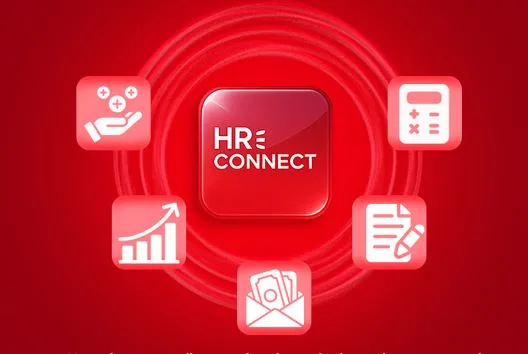
HR Connect is designed to help businesses manage everyday HR activities such as attendance tracking, leave management, payroll management, payroll automation, employee self-service, and digital payslips.
For businesses that are moving away from manual HR processes, these features can help organize routine work and keep HR information in one place.
You can learn more about HR Connect here:
https://sitedecode.com/hrconnect
Final thoughts
Many businesses continue using spreadsheets and manual processes because they work well in the early stages of growth. There is nothing wrong with that approach if it continues to meet the organization's needs.
However, as teams become larger and HR responsibilities increase, managing attendance, payroll, leave, employee records, and recruitment manually can require more time and effort.
HRMS software offers a structured way to manage these everyday activities. Whether you're looking for attendance management software, payroll software, employee management software, leave management software, or recruitment software, choosing a solution that fits your business processes can make routine HR work easier to manage.
The goal is not to change how your business operates overnight. Instead, it's about finding tools that support your team, improve organization, and make everyday HR tasks more manageable as your business continues to grow.