Crypto isn't a side bet anymore — it's infrastructure. And every founder eyeing this space eventually asks the same question: how do I actually build a crypto exchange? This guide breaks it down in plain language, no jargon overload, just what you need to know before you write a single line of code.
Why Cryptocurrency Exchange Development Matters in 2026
Trading volumes keep climbing, institutional money keeps flowing in, and users increasingly want platforms that feel fast, safe, and trustworthy. Building your own exchange means owning the user relationship, the revenue, and the brand — instead of renting traffic from someone else's platform. If you're serious about entering this market, partnering with a team offering dedicated cryptocurrency exchange software development services can shortcut months of trial and error.
Types of Crypto Exchanges (CEX vs DEX vs Hybrid)
- CEX (Centralized Exchange): Company-managed, fast, beginner-friendly, but holds custody of user funds.
- DEX (Decentralized Exchange): Peer-to-peer via smart contracts, no middleman, but trickier UX and lower throughput.
- Hybrid Exchange: Blends CEX speed with DEX-style self-custody — increasingly the founder favorite in 2026.
Each model has different cost, compliance, and liquidity implications, so the choice should map directly to your target users.
How a Crypto Exchange Works (Simple Breakdown)
At its core, an exchange takes a buy order and a sell order, matches them, and settles the trade. Behind that simple idea sits a stack of systems: wallets, order books, security layers, KYC checks, and payment rails — all working together in milliseconds.
Core Features Every Exchange Must Have
- Secure sign-up and KYC/AML verification
- Multi-currency wallet support (hot + cold)
- Real-time trading dashboard and charts
- Order matching engine
- Admin panel for platform control
- Mobile app support
- Customer support and dispute resolution tools
Key Technologies Behind Crypto Exchanges
Modern exchanges lean on blockchain nodes, REST/WebSocket APIs, distributed databases, and increasingly, AI-driven fraud detection and trading assistance. Founders exploring AI-powered crypto exchange development are seeing real gains in fraud prevention, smart order routing, and personalized user experiences.
Understanding the Order Matching Engine
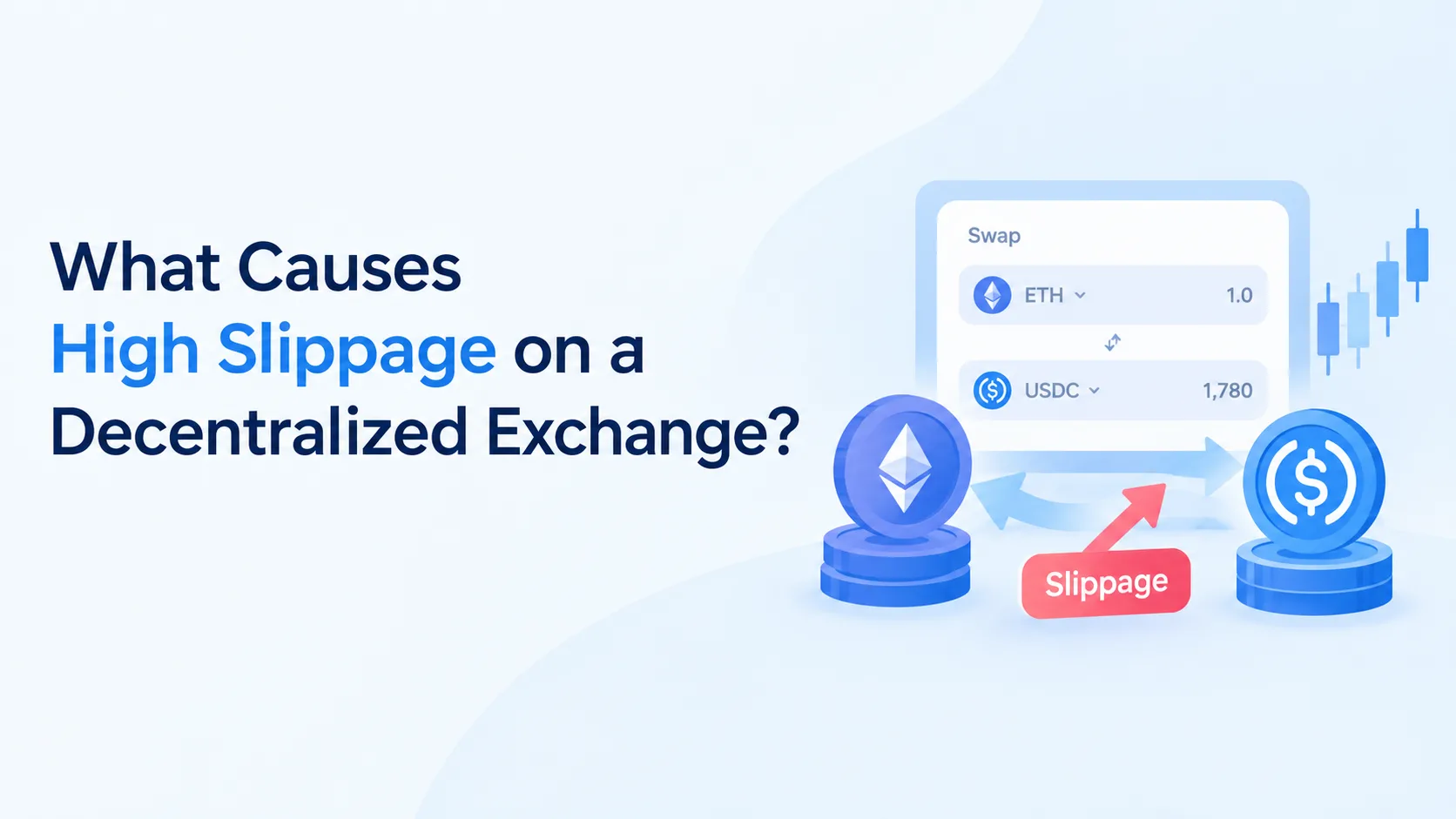
The matching engine is the heart of any exchange — it pairs buyers and sellers based on price-time priority and executes trades instantly. A poorly built engine means slippage, downtime, and lost trust. This is why the order matching engine in crypto exchange development is often the single most scrutinized component during technical due diligence, and it's worth getting right from day one via cryptocurrency exchange software development services that specialize in high-throughput trading systems.
Liquidity: The Backbone of Your Exchange
No liquidity, no trading. Founders typically solve this through liquidity aggregation from partner exchanges, market-maker partnerships, or hybrid order books that pull depth from multiple sources. Liquidity strategy should be locked in before launch, not patched afterward.
Security Measures You Can't Ignore
- Multi-signature and cold wallet storage
- Two-factor authentication
- Regular penetration testing and audits
- DDoS protection
- Encrypted data storage
A single breach can end a platform's reputation overnight, so security isn't a checkbox — it's ongoing work.
Regulatory & Compliance Essentials
Regulations vary wildly by jurisdiction, and founders often structure operations around friendlier regulatory environments. Understanding crypto tax-free countries is a common early step for founders optimizing where to incorporate and operate, alongside standard KYC/AML obligations wherever your users are based.
Cost Breakdown: How Much Does It Take to Build?
Costs depend heavily on whether you go custom-built or white-label, your feature list, and your security/compliance scope. A detailed white-label crypto exchange development cost breakdown is the best starting point before budgeting, since it maps out licensing, customization, and ongoing maintenance costs clearly.
White Label vs Custom Development: What Should You Choose?
- White Label: Faster to launch, lower upfront cost, less flexibility.
- Custom Build: Full ownership and flexibility, higher cost, longer timeline.
Early-stage founders validating an idea often start white-label, then migrate to custom infrastructure once traction proves the model.
Step-by-Step Process to Launch Your Exchange
- Define your exchange model (CEX/DEX/hybrid)
- Choose white-label or custom development
- Design the architecture and matching engine
- Integrate wallets, liquidity, and payment gateways
- Build compliance and KYC workflows
- Conduct security audits
- Beta test with a limited user group
- Launch and scale
Most founders don't build this alone — they hire crypto exchange developers who've shipped similar platforms before, which cuts both risk and time-to-market significantly.
Common Mistakes Founders Must Avoid
- Underestimating liquidity needs
- Skipping security audits to save time
- Ignoring regulatory requirements until launch
- Choosing the wrong tech stack for scale
- Not planning for customer support at volume
How Crypto Exchanges Make Money (Revenue Models)
- Trading fees (maker/taker)
- Withdrawal fees
- Listing fees for new tokens
- Margin/futures trading fees
- Premium features or API access
Future Trends in Crypto Exchange Development
AI-driven trading assistants, RWA (real-world asset) tokenization, deeper cross-chain interoperability, and tighter regulatory frameworks are shaping what exchanges look like going forward. Platforms that adapt early particularly around AI and compliance — will have the edge.
Final Thoughts: What Founders Should Focus On
Building a crypto exchange isn't just a dev project — it's a business built on trust, speed, and compliance. Get your matching engine, liquidity, and security right, and the rest becomes much easier to scale. Whether you choose white-label or custom, working with a team that offers full-cycle cryptocurrency exchange software development services keeps you from reinventing the wheel.