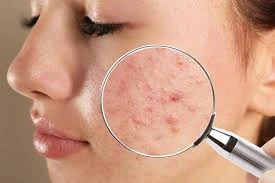
Acne is one of the most common skin conditions, affecting people of all ages, from teenagers to adults. While often considered a cosmetic concern, acne can have a significant impact on self-esteem and mental well-being. Understanding the causes of acne and exploring effective acne treatment strategies is essential for achieving healthier, clearer skin.
What Causes Acne?
Acne develops when hair follicles become clogged with excess oil, dead skin cells, and bacteria. Several factors contribute to this condition:
- Hormonal Changes: Fluctuations in hormones, particularly androgens, can increase oil production in the skin. These changes are common during puberty, menstrual cycles, pregnancy, or stress.
- Excess Sebum Production: Sebum is the skin’s natural oil, which protects and hydrates the skin. Overproduction, however, can clog pores and trigger acne.
- Bacterial Growth: Propionibacterium acnes (P. acnes) is a naturally occurring bacterium on the skin. When it proliferates in blocked pores, it leads to inflammation, pustules, and other acne lesions.
- Lifestyle and Diet: Diets high in sugar, dairy, and processed foods may exacerbate acne for some individuals. Poor sleep, stress, and inadequate hydration can also worsen outbreaks.
- Genetic Predisposition: If acne runs in your family, you may be more prone to developing the condition.
Types of Acne
Acne is not a single condition but manifests in various forms, each requiring different approaches:
- Blackheads: Open pores clogged with sebum and dead skin cells; they appear dark due to oxidation.
- Whiteheads: Closed pores with trapped oil and skin cells; they remain under the skin’s surface.
- Papules: Small, inflamed red bumps that can be tender to the touch.
- Pustules: Similar to papules but filled with pus, often appearing white or yellow at the center.
- Nodules and Cysts: Deep, painful lesions that can cause scarring and require medical treatment.
Acne Treatment Options
Effective acne treatment often requires a multi-faceted approach, combining topical care, medical interventions, and lifestyle adjustments:
- Topical Treatments
- Benzoyl Peroxide: Reduces bacteria and inflammation while helping to unclog pores.
- Salicylic Acid: Exfoliates dead skin cells and prevents clogged pores.
- Retinoids: Promote cell turnover and prevent new acne formation.
- Oral Medications
- Antibiotics: Reduce bacterial growth and inflammation for moderate to severe acne.
- Hormonal Therapy: Birth control pills or anti-androgen medications can regulate hormone-driven acne.
- Isotretinoin: A potent option for severe or treatment-resistant acne, prescribed under strict medical supervision.
- Professional Procedures
- Chemical Peels: Remove the outer skin layer to improve texture and reduce acne lesions.
- Laser and Light Therapy: Target bacteria, reduce inflammation, and improve skin appearance.
- Extraction Treatments: Performed by dermatologists to safely remove blackheads and whiteheads.
Skincare and Lifestyle Tips for Acne Management
In addition to medical treatments, maintaining a consistent skincare routine and healthy habits can significantly improve acne:
- Use gentle cleansers twice daily to remove excess oil and impurities.
- Apply non-comedogenic moisturizers to maintain skin hydration without clogging pores.
- Avoid picking or squeezing acne lesions, which can worsen inflammation and lead to scarring.
- Wash pillowcases, towels, and makeup tools regularly to minimize bacterial exposure.
- Follow a balanced diet with plenty of fruits, vegetables, and whole grains.
- Manage stress through exercise, meditation, or relaxation techniques.
When to Seek Professional Help
While mild acne may respond to over-the-counter treatments, consult a dermatologist if:
- Acne is persistent, severe, or painful.
- Home remedies do not improve your condition.
- Acne causes scarring, hyperpigmentation, or emotional distress.
Conclusion
Acne treatment requires a holistic approach that addresses the underlying causes, protects skin health, and prevents future breakouts. From topical products and prescription medications to professional procedures and lifestyle changes, there are numerous options for managing acne effectively. By understanding your skin and following a consistent care plan, you can achieve clearer skin and improved confidence.