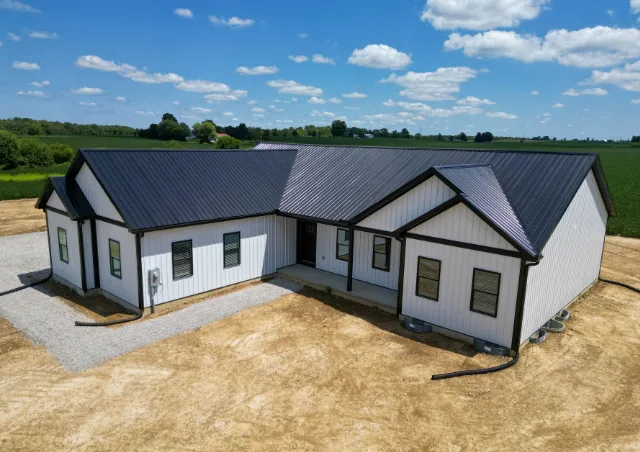
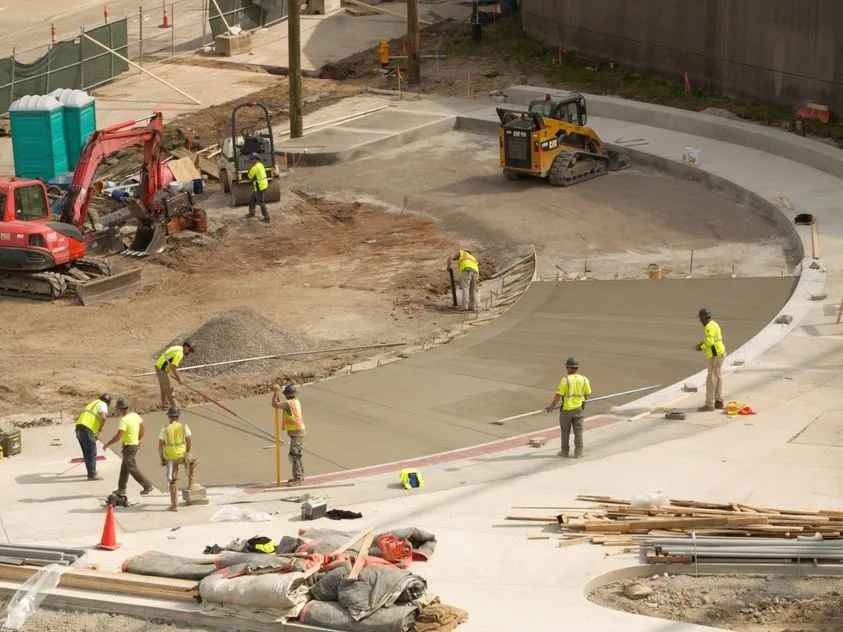
Successful construction does not happen by accident. Behind every well-built commercial, residential, industrial, or institutional property is a carefully developed plan that guides decisions from the earliest concept through final completion. Comprehensive construction planning provides that essential roadmap, helping project teams control costs, coordinate activities, manage risks, and deliver results that meet the owner's expectations.
When planning is treated as a strategic priority rather than a preliminary task, construction projects can operate with greater clarity, efficiency, and confidence.
Why Comprehensive Construction Planning Matters
Construction projects involve numerous moving parts. Architects, engineers, contractors, subcontractors, suppliers, inspectors, owners, and project managers must work toward the same objectives. Without effective coordination, even a well-designed project can experience delays, cost increases, communication problems, and quality issues.
Comprehensive construction planning brings these elements together before major work begins. It establishes clear project objectives, defines responsibilities, identifies potential challenges, and creates a structured approach to execution. This preparation gives teams a stronger foundation for making informed decisions throughout the construction process.
Establishing Clear Project Goals
Every successful plan begins with a clear understanding of what the project needs to achieve. Owners and project teams should define the building's intended purpose, performance expectations, budget parameters, schedule requirements, and long-term objectives.
Clear goals help guide important decisions during design and construction. They also provide measurable standards for evaluating progress. When everyone understands what success looks like, the entire team can work toward a shared vision instead of making disconnected decisions.
Creating a Realistic Budget and Schedule
Financial and schedule planning are two of the most important components of comprehensive construction. A detailed budget should account for labor, materials, equipment, professional services, permits, site conditions, contingencies, and other potential expenses.
At the same time, a realistic schedule should identify major milestones, dependencies, procurement requirements, inspections, and completion targets. Strong planning does not simply create an ambitious timeline; it creates a practical one based on project complexity and available resources.
Regular cost and schedule reviews can then help teams identify deviations early and take corrective action before minor issues become major obstacles.
Coordinating Design, Materials, and Resources
Construction planning connects design decisions with practical execution. Before work begins, teams should evaluate drawings, specifications, structural requirements, mechanical systems, materials, equipment, and site logistics.
Early coordination can identify conflicts that might otherwise cause expensive rework. It also helps contractors plan procurement and labor requirements more effectively. When materials and resources are aligned with the construction schedule, the project can maintain momentum and reduce unnecessary downtime.
Managing Construction Risks Proactively
Every construction project contains uncertainties. Weather, site conditions, permitting challenges, material availability, labor shortages, design modifications, and unexpected technical issues can influence project performance.
Comprehensive planning addresses these risks before they become disruptive. Teams can evaluate potential problems, establish contingency strategies, and assign responsibilities for responding to unexpected events.
This proactive approach does not eliminate every risk, but it improves the project's ability to absorb challenges without losing control of its overall objectives.
Building Quality and Safety Into the Plan
Quality and safety should be incorporated into construction planning from the beginning. Quality assurance procedures establish standards for workmanship, materials, inspections, testing, and documentation.
Likewise, safety planning identifies hazards, establishes appropriate procedures, and supports a safer working environment. Integrating these priorities into the project plan helps teams avoid treating quality and safety as last-minute requirements.
The result is a stronger construction process and a finished structure that is more reliable, durable, and compliant.
Conclusion
Comprehensive construction planning is the foundation upon which successful projects are built. It connects goals, budgets, schedules, resources, design decisions, risk management, quality standards, and safety requirements into one coordinated strategy.
By investing time and expertise in planning before construction begins, project owners and teams can improve visibility, reduce avoidable problems, and create a more predictable path to completion. Ultimately, effective planning is not simply about preparing for construction—it is about creating the conditions for a successful project long before the first piece of material reaches the job site.