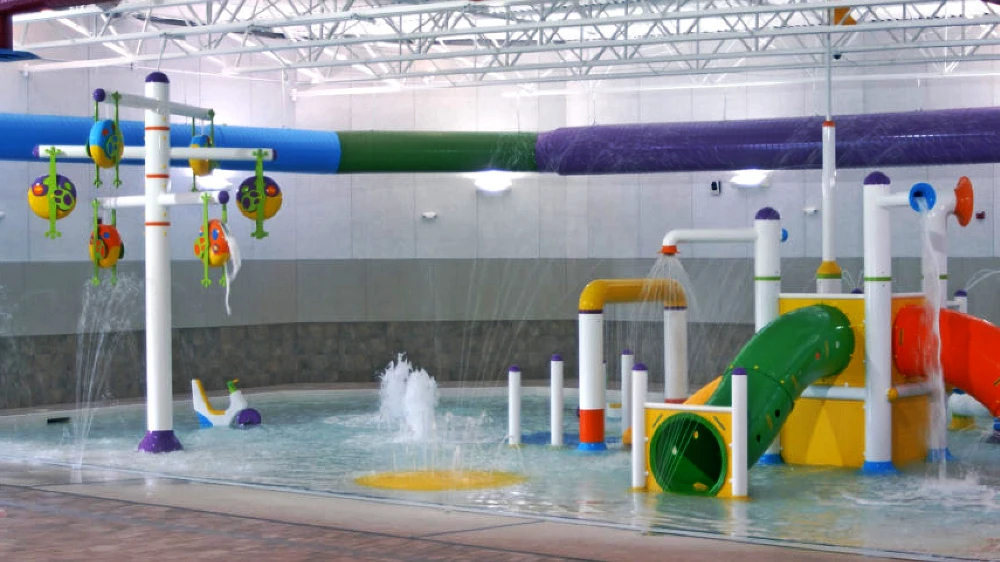
Before finalizing a splash pad project, it is worth pausing and asking a few honest questions. Are you choosing from a truly diverse selection of water toys and splash park equipment, or just what looks good in a brochure? Are innovation and quality guiding your decisions, or are timelines and budgets doing all the talking? And most importantly, do you have trustworthy suppliers who focus on splash pad designs and conceptualize your aquatic playground, not just sell equipment?
These questions are important because simple design errors can cause even well-funded projects to fail. Trends and extravagant features are not the only factors in thoughtful splash pad designs. Here are some typical mistakes made by decision-makers and, even more importantly, how to prevent them.
1. Disregarding Usage Trends
Designing alone is one of the most common problems. On paper, a splash pad might seem appealing, but does it reflect actual user behaviour? All too frequently, layouts are made without considering family gathering places, age groups, or movement patterns. Leveraging the experience of established suppliers, facilities can benefit from time tested layouts and designs.
2. Only Considering Appearance
Dramatic water effects and vibrant colors can be alluring. However, performance is not assured by appearance alone. Some facilities discover the faults of cheap products when it's already too late. Here, the materials that you choose are important. Well-designed aquatic play equipment typically uses corrosion-resistant composites and specialty plastics, reducing reliance on heavy metal components.
3. Disregarding Safety Regulations
When building a water feature, you don't add safety later. From the beginning, it must be incorporated into the design. However, rather than treating safety as a basic principle, many projects treat it as a checklist item. Poor drainage, slick surfaces, awkward spray angles, and crowded play areas are examples of common safety mistakes. Even if the equipment is well-made, these problems raise the possibility of slips, falls, and discomfort.
4. Ignoring water management
Is the splash pad made to be both entertaining and responsible? Both are given top priority by the best project managers. Even though splash pads don't have standing water like pools do, they still need careful planning to control flow, filtration, and water reuse.
5. Not Keeping Flexibility in Mind
Think ahead. Will this layout still work if you want to update it in three or five years? High-quality Splash pad equipment is often designed for easy installation and adaptability. Features can be rearranged, added, or refreshed without major reconstruction. That flexibility protects your investment and allows the space to grow with your needs.
6. Ignoring Supplier Expertise
Would you rather manage multiple moving parts yourself or rely on a team that has done this many times before? Perhaps the biggest mistake is choosing a supplier based only on price or product list. The best suppliers act as partners, as they help conceptualize the space, guide feature selection, and ensure all elements work together smoothly.
Conclusion
Small design mistakes can quietly undermine that potential, while thoughtful planning can turn a simple installation into a lasting asset. By avoiding common pitfalls and partnering with experienced Splash pad design expert, you build trust not only with your team but also with the people who use the space every day.