
Opening the Gates: The Rise of Adaptive Software Development
On a crisp morning in early June 2026, a major tech conference in San Francisco unveiled a startling statistic: over 78% of new software projects worldwide now employ adaptive development models rather than traditional waterfall methodologies. This shift is not merely a trend but a fundamental transformation in how software is conceived, built, and delivered. The new paradigm embraces flexibility, continuous feedback, and rapid iteration—principles that have gained traction amid growing market demands for agility and resilience.
Such a dramatic change reflects the broader evolution of software development, where time-to-market pressures and complex user requirements demand innovative approaches. According to industry data compiled by leading research firms, companies adopting adaptive frameworks reported a 35% increase in delivery speed and a 27% decrease in post-release defects compared to legacy methods. This article explores the forces behind this shift, current 2026 developments, and what lies ahead for software engineering.
Tracing the Evolution: From Waterfall to Adaptive Frameworks
The story of software development is one of constant adaptation. In the early 2000s, the waterfall model dominated, characterized by sequential phases where requirements were locked down before coding began. While structured, this approach struggled to accommodate changes, often resulting in delayed or over-budget projects.
By the 2010s, Agile methodologies began disrupting the status quo, introducing iterative cycles, stakeholder collaboration, and incremental delivery. The Agile Manifesto, published in 2001, laid the groundwork for this revolution, emphasizing individuals and interactions over processes and tools.
Yet, even Agile has undergone significant refinements. Hybrid models like DevOps and Continuous Integration/Continuous Deployment (CI/CD) pipelines emerged, integrating development and operations to automate testing and deployment. Now in 2026, these practices have evolved further into what experts call 'Adaptive Software Development' (ASD), blending Agile, Lean, and systems thinking to better handle complexity.
Leading tech companies such as MetaSoft and Cypherware pioneered these techniques earlier this decade. Their success stories inspired widespread adoption, particularly in sectors requiring rapid innovation like fintech, autonomous vehicles, and AI-driven platforms.
“Adaptive development isn’t just methodology; it’s a mindset shift that aligns software creation with today’s dynamic market realities.” – Dr. Helena Voss, Chief Innovation Officer at Cypherware
Data-Driven Insights: The Mechanics of Adaptive Development in 2026
Adaptive Software Development in 2026 is distinguished by several defining characteristics. First, it emphasizes responsiveness through continuous requirement refinement and user feedback loops. Second, it integrates advanced tooling powered by AI to optimize workflows and predictive analytics for risk mitigation.
Statistical analysis from the Software Engineering Institute reveals key performance indicators that differentiate adaptive methods from traditional approaches:
- Iteration Frequency: Adaptive teams complete cycles every 1-2 weeks, compared to monthly or quarterly in legacy models.
- Defect Rates: Post-release defects drop by an average of 22% due to earlier and automated testing.
- Stakeholder Engagement: Continuous involvement of end-users increases satisfaction scores by up to 30%.
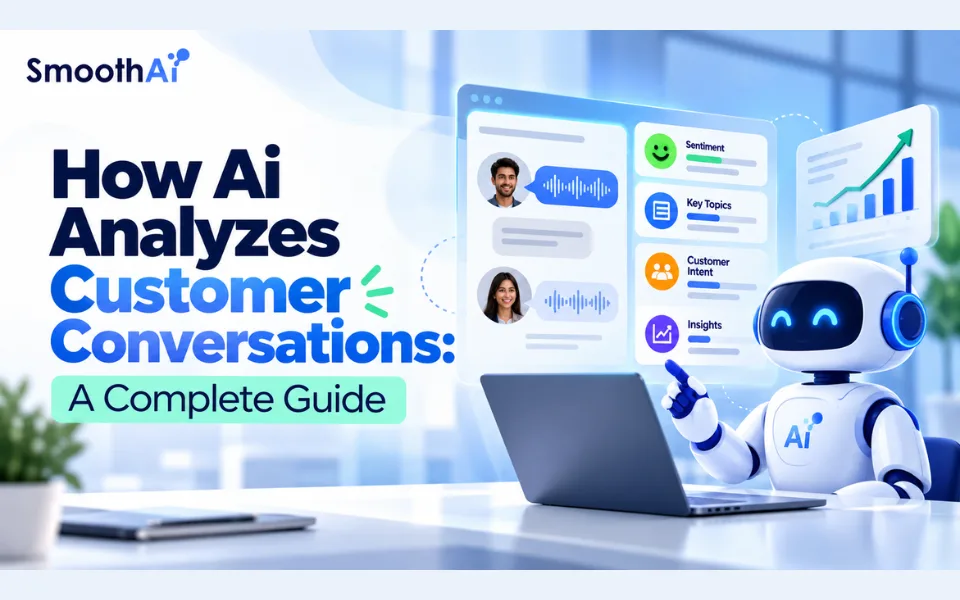
Moreover, artificial intelligence now plays an integral role in these processes. AI-powered code review tools, such as CodeSense AI and DeepTest, analyze millions of code lines in seconds, flagging vulnerabilities and recommending improvements. Similarly, AI-driven project management platforms predict bottlenecks by analyzing historical data, enabling proactive adjustments.
Cloud platforms also underpin this shift. The widespread adoption of containerization and microservices architecture allows teams to deploy updates seamlessly without downtime. These technologies support scalability and fault tolerance, essential for modern applications.
“The convergence of AI and adaptive development is transforming software engineering from art to science.” – Ravi Kumar, CTO at MetaSoft
June 2026 Developments: Tools, Trends, and Techniques
This month, several notable advancements underscore the momentum of adaptive software development. Open source communities released new versions of popular frameworks like AdaptiveFlow 3.0 and LeanSprint 2.5, emphasizing improved integration with AI assistants and enhanced real-time collaboration features.
Organizations are increasingly adopting "Digital Twin" environments—virtual replicas of production systems—that facilitate simulation of software changes before deployment, reducing risk and accelerating innovation cycles. This approach is particularly prevalent in industries like aerospace and healthcare, where failure tolerance is minimal.
On the workforce front, demand for hybrid skill sets combining software craftsmanship with data science and AI expertise continues to rise. Companies invest heavily in continuous learning programs to equip developers with knowledge of adaptive methodologies and emerging technologies.
Further, regulatory frameworks have evolved to accommodate these agile practices without compromising security or compliance. For instance, the updated Global Software Compliance Act (GSCA) introduced in early 2026 provides flexible audit mechanisms tailored for iterative development environments.
These developments are shaping the competitive landscape. Firms that adapt swiftly can capitalize on shorter innovation cycles and enhanced customer responsiveness. Those clinging to outdated models risk obsolescence.
Industry Perspectives and Impact: Voices from the Frontlines
Experts across the technology sector agree that adaptive software development is now the norm rather than the exception. Interviews with senior engineers and executives reveal a consensus on its benefits and challenges.
Linda Chen, VP of Engineering at FinCore, highlights the cultural shift required: “Moving to adaptive models means empowering teams with autonomy while maintaining alignment with business goals. It requires trust, transparent communication, and robust tooling.”
Meanwhile, cybersecurity specialists caution that rapid iteration cycles necessitate equally rapid security assessments to prevent vulnerabilities. New standards like SecureDevOps 2026 aim to integrate security seamlessly into adaptive workflows.
From a market perspective, firms leveraging adaptive development report improved innovation velocity and customer loyalty. According to a recent survey by TechPulse Analytics, 64% of software companies that transitioned to adaptive models between 2023 and 2025 experienced annual revenue growth exceeding 15%.
Still, challenges remain. Legacy systems, resistance to change, and skills gaps can hinder implementation. Industry leaders advocate for phased adoption and investment in education to overcome these obstacles.
Future Outlook: Navigating Software Development Beyond 2026
Looking forward, several trajectories are anticipated to shape software development's next phase. The integration of quantum computing promises to revolutionize algorithm optimization and data processing, though practical applications remain in early stages.
Hybrid human-AI collaboration models will become standard. Intelligent agents will not only assist coding but actively co-create software solutions, shifting developer roles toward strategic oversight and creative problem-solving.
Furthermore, ethical considerations around AI-generated code and automated decision-making will require new governance frameworks to ensure accountability and transparency.
To prepare, organizations should focus on:
- Embedding adaptive methodologies deeply into culture and processes.
- Investing in AI literacy and cross-disciplinary skills for development teams.
- Building resilient infrastructures that support continuous deployment and rapid scaling.
- Engaging proactively with evolving regulatory landscapes.
The transformation underway aligns with broader digital economy trends documented in TheOmniBuzz’s earlier coverage, including Software Development in 2026: Trends, Challenges, and Future Outlook and Unlocking Excellence: Advanced Strategies Elevating Software Development Today. These resources provide deeper insights into managing complexity and fostering innovation in this new era.
Ultimately, software development in 2026 exemplifies the dynamic interplay of technology, process, and people. Adaptability is no longer optional but a prerequisite for success in a world where change is the only constant.