Air purification systems play a critical role in maintaining indoor air quality in homes, offices, and light commercial spaces. Over time, however, even the most reliable units require maintenance to function effectively. One of the most essential maintenance tasks is changing the filter. If you own an Alpine 880 air purifier, selecting the correct filter is key to ensuring consistent performance and clean airflow.
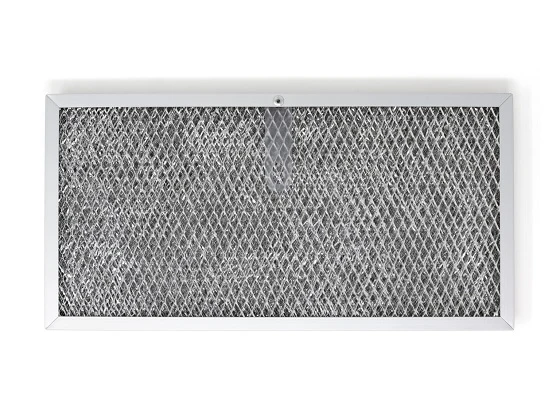
The Replacement filter for Alpine 880 is specifically designed to fit the unit’s internal housing and airflow configuration. Using a compatible filter ensures that dust, allergens, and fine particles are captured efficiently without restricting airflow or overworking the motor. Understanding why this matters can help users extend the life of their system while maintaining healthier indoor air.
How the Alpine 880 Filtration System Works
The Alpine 880 air purifier is engineered to pull ambient air through a layered filtration system. Typically, such systems include a pre-filter for larger particles, a primary filtration layer to capture microscopic contaminants, and sometimes additional technology to address odors or airborne microorganisms. When air passes through these layers, contaminants are trapped, allowing purified air to circulate back into the environment. Over time, particles accumulate within the filter media. As buildup increases, airflow can become restricted, reducing efficiency and potentially placing strain on internal components. Regular inspection and timely replacement help maintain optimal operation. While many consumers search broadly for Alpine products when seeking spare components, it is important to confirm the model number before purchasing. Filters are not universally interchangeable, and even slight size differences can affect sealing and performance.
Signs It’s Time to Replace the Filter
Knowing when to replace a filter is just as important as choosing the right one. Several indicators suggest that your unit may need attention: Reduced airflow is often the first noticeable sign. If the purifier seems less powerful than usual, a clogged filter may be the cause.
Increased dust accumulation around the home can indicate that the filtration system is no longer capturing particles effectively.
Unusual odors coming from the unit may suggest that the filter has reached saturation.
Some units include indicator lights or timers to signal replacement intervals, but visual inspection can also help determine the condition of the filter. Environmental factors influence how frequently filters need replacement. Homes with pets, smokers, or high outdoor pollution levels may require more frequent changes compared to relatively clean indoor environments.
Choosing the Correct Filter Type
When selecting a Replacement filter for Alpine 880, compatibility should be your first consideration. The filter must match the dimensions and design specifications recommended for the model. Even if a filter appears similar, slight differences can reduce sealing effectiveness and allow unfiltered air to bypass the media.
Filtration rating is another important factor. High-efficiency filters are designed to capture smaller particles, including pollen, fine dust, and certain airborne allergens. However, it is essential that the filter aligns with the system’s airflow capacity. Installing a filter with higher resistance than recommended can reduce performance.
Material quality also matters. Durable filter media helps maintain structure as it captures contaminants. Look for well-constructed frames and properly sealed edges to ensure a snug fit inside the housing.
Consumers researching Alpine parts may encounter generic or third-party options. While alternatives exist, verifying measurements and compatibility details is critical before installation.
Installation Process Overview
Replacing the filter in the Alpine 880 is typically a straightforward task, though users should always consult the unit’s manual for model-specific instructions.Begin by turning off and unplugging the device. This ensures safety during maintenance.
Open the filter compartment according to the manufacturer’s design. Remove the used filter carefully to prevent releasing trapped dust back into the air. Before inserting the new filter, wipe down the interior compartment with a dry or slightly damp cloth to remove loose debris.
Place the new filter into the housing, ensuring that airflow direction indicators are aligned correctly. Many filters include arrows that show the proper orientation.
Close the compartment securely and reconnect power. If the unit includes a filter reset function, follow the instructions to clear any maintenance reminders. Proper installation ensures that the new filter functions as intended and prevents air leakage around the edges.
Maintenance Tips for Extended Performance
Routine care can extend the life of both the filter and the air purifier itself. In addition to replacing filters at recommended intervals, consider these maintenance practices: Keep the surrounding area clean to minimize excess dust entering the system. Vacuum or rinse washable pre-filters if applicable, following manufacturer guidelines. Avoid placing the unit in enclosed corners where airflow is restricted. Monitor environmental changes, such as seasonal pollen increases, which may impact filter lifespan. By staying attentive to performance changes and environmental conditions, users can maintain steady air purification efficiency throughout the year.
Common Mistakes to Avoid
While filter replacement seems simple, a few common errors can reduce effectiveness:
Using an incorrectly sized filter can lead to air bypass, where contaminated air slips around the edges instead of passing through the filtration media.
Installing the filter in the wrong direction may disrupt airflow patterns and reduce capture efficiency. Ignoring replacement schedules can strain the system’s motor and decrease overall air cleaning performance. Attempting to wash non-washable filters can damage the filtration material and compromise structure. When in doubt, reviewing the product documentation or confirming details before installation can help prevent unnecessary issues.
Environmental and Health Considerations
Clean indoor air contributes significantly to comfort and well-being. Effective filtration reduces airborne particles that may aggravate allergies or respiratory sensitivities. Maintaining a properly functioning air purifier can support healthier indoor environments, particularly in urban or high-traffic areas.
Replacing filters responsibly is also important from an environmental perspective. Some filters may be recyclable depending on their materials. Checking local disposal guidelines can help reduce waste impact. As technology evolves, air purification systems continue to improve in efficiency and filtration capabilities. Regular maintenance ensures that even established models remain reliable over time.
Supporting Long-Term System Reliability
A well-maintained Alpine 880 unit can provide consistent air purification for years. Timely replacement of filters prevents internal components from becoming overworked and helps sustain balanced airflow. For users considering Alpine repair services due to performance decline, it is often worthwhile to inspect and replace the filter first. In many cases, reduced efficiency stems from filter saturation rather than mechanical failure. Investing in the correct components and following recommended maintenance practices contributes to long-term reliability. Whether used in residential or professional settings, clean airflow supports both comfort and operational efficiency.
Selecting the appropriate Replacement filter for Alpine 880 is a straightforward yet essential step in maintaining indoor air quality. By understanding compatibility requirements, recognizing signs of wear, and following proper installation procedures, users can keep their systems operating effectively. Regular inspection and timely replacement protect both the purifier’s performance and the health of indoor occupants. Careful attention to product specifications, correct installation, and consistent maintenance helps ensure reliable operation over time.