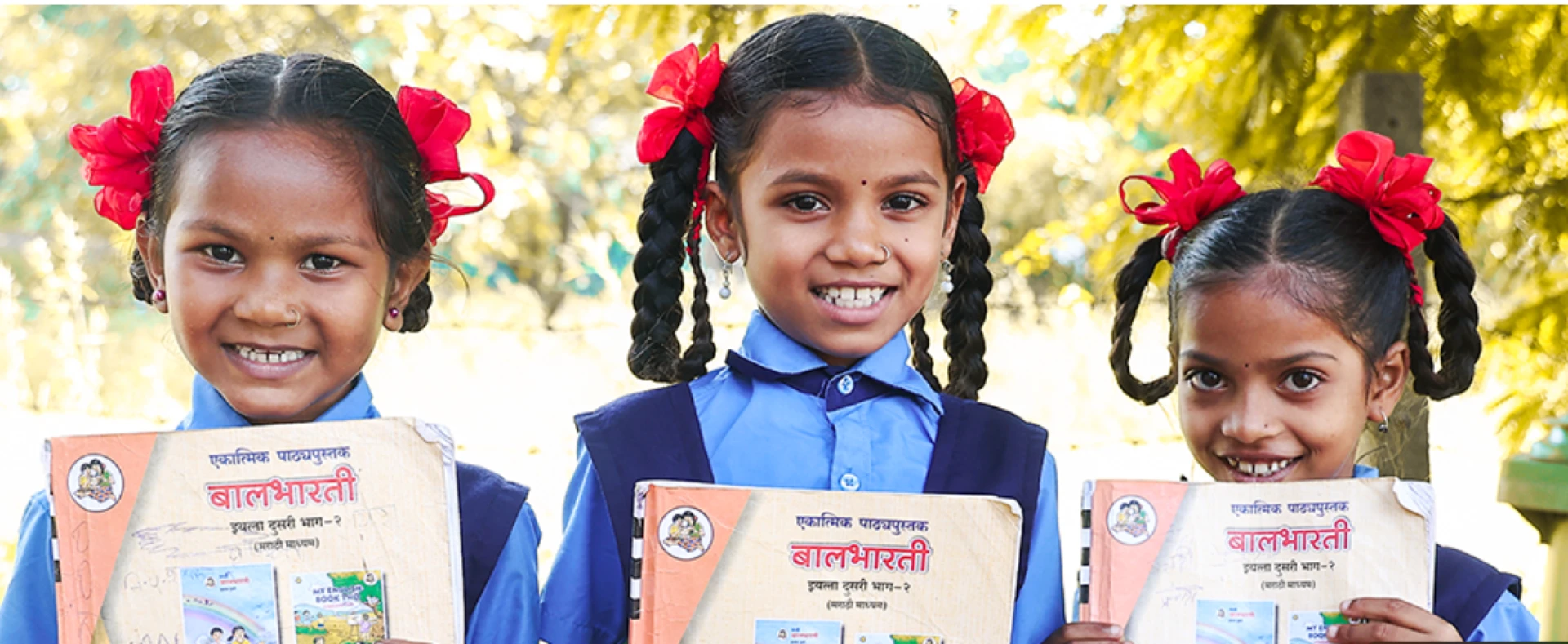
Education has long been recognised as the most powerful equaliser, and with the rising demand for accessible learning opportunities, finding a reliable ngo for education Mumbai has become an important step for families and communities looking for support. These organisations play a significant role in strengthening children’s futures through innovative programs, community outreach, and long-term educational guidance.
Why Education-Focused NGOs Matter Today
In a rapidly evolving world, education is no longer limited to textbooks and classrooms. Children need digital awareness, life skills, emotional development, and continuous support beyond school hours. NGOs bridge this gap by:
- Providing affordable or free academic support
- Focusing on skill-building and personality growth
- Bringing education to underserved regions
- Ensuring continuity in learning during crises
Their work directly influences literacy rates, employability, and the overall confidence of young learners.
Core Areas of Educational Support Offered
1. Academic Assistance Programs
Many NGOs run learning centres that provide tutoring in subjects like maths, science, languages, and computer basics. These centres help students struggling with school curriculum, ensuring that no child is left behind.
2. Digital Literacy and Technology Access
In today’s tech-driven environment, digital skills are essential. NGOs often arrange computer training, online learning modules, and access to internet-enabled systems for children who do not have such resources at home.
3. Early Childhood Development
Some organisations focus on laying strong foundations through preschool learning, nutrition awareness, and behavioural development. These activities help children enter school with confidence and readiness.
4. Skill-Based Learning
Beyond academics, students are exposed to essential skills such as creativity, communication, problem-solving, and teamwork. Workshops, art sessions, and vocational awareness programs form an important part of holistic learning.
Approach Followed by Reputed Education NGOs
Community-Centric Model
They identify educational gaps within local communities, understand the needs of children, and create tailored programs. This ensures that support reaches those who require it the most.
Collaborations with Educators & Volunteers
Teachers, student volunteers, retired professionals, and young mentors join hands to deliver well-structured learning sessions. This collaborative approach enhances both quality and reach.
Focus on Sustainable Impact
Rather than short-term assistance, NGOs work to build long-lasting changes—improving family awareness, supporting schools, and creating environments where children can thrive independently.
Impact on Children and Society
Education NGOs shape a stronger society by:
- Reducing dropout rates
- Encouraging parents to prioritise education
- Empowering girls through equal learning access
- Increasing career opportunities for youth
- Developing responsible future citizens
Their contribution creates a ripple effect—when one child succeeds, the benefits extend to their family and community.
How You Can Support Educational Initiatives
Supporting education does not always require major financial contributions. Individuals can help by:
- Volunteering time for teaching or mentorship
- Donating books, stationery, or digital devices
- Sponsoring a child’s learning resources
- Spreading awareness about the importance of education
Every small action contributes to building an educated, empowered, and confident generation.
Conclusion
With the increasing importance of quality education, NGOs continue to play a transformative role in shaping young futures. Their dedicated programs, community engagement, and focus on holistic development ensure that learning reaches every child, regardless of background. Choosing the right organisation can make a meaningful difference—not only in a child’s life, but in the future of society itself.