
Introduction
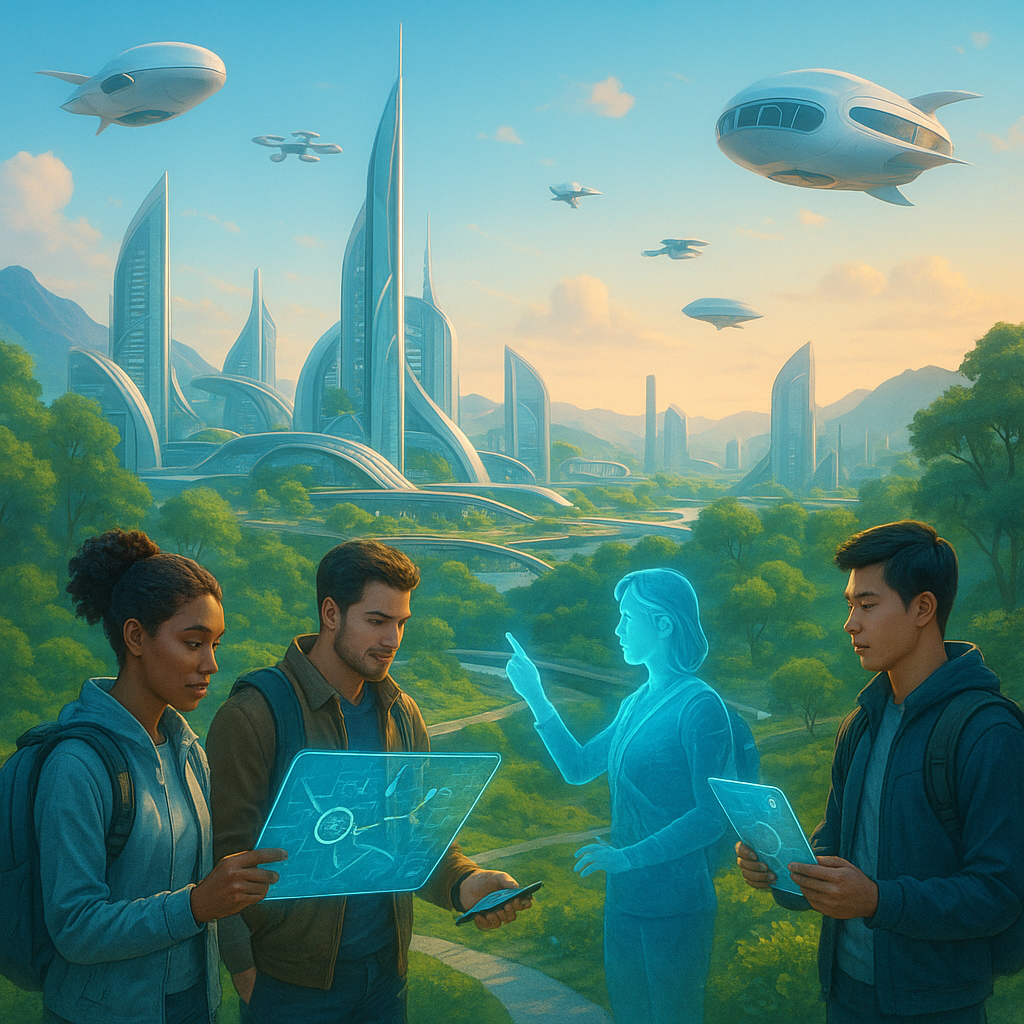
As we step into 2026, the landscape of travel continues to evolve dramatically, shaped by technological innovations, shifting societal values, and a growing emphasis on sustainability. The way people explore the world today is vastly different from a decade ago, with smart technologies, eco-conscious choices, and enhanced global connectivity redefining the travel experience. This article offers an in-depth look at the current trends, challenges, and opportunities shaping the future of travel, highlighting how individuals and industries alike are adapting to a fast-changing environment.
Technological Innovations Shaping Travel
Technology remains the cornerstone of modern travel, enhancing convenience, safety, and personalization. Several key technological trends are driving these transformations:
Artificial Intelligence and Personalization
Artificial intelligence (AI) is increasingly used to tailor travel experiences to individual preferences. From AI-powered recommendation engines that suggest destinations and activities based on user behavior to chatbots providing real-time assistance, travelers benefit from highly customized services. Airlines and hotels utilize AI to optimize pricing, improve customer service, and streamline operations, making travel more efficient and enjoyable.
Augmented and Virtual Reality
Augmented reality (AR) and virtual reality (VR) technologies are revolutionizing trip planning and on-site experiences. VR allows travelers to take virtual tours of destinations before booking, helping them make informed decisions. Once on location, AR apps enhance sightseeing by overlaying historical facts, navigation aids, and language translations onto the real-world environment. These immersive technologies enrich engagement and accessibility, especially for those with mobility constraints.
Biometric and Contactless Solutions
Security and health concerns have accelerated the adoption of biometric identification and contactless technologies. Airports and border controls increasingly use facial recognition and fingerprint scanning to expedite passenger processing, reducing wait times and physical contact. Contactless payments and mobile boarding passes contribute to a seamless and hygienic travel experience, critical in a post-pandemic world.
Electric and Autonomous Transportation
The transportation sector is undergoing a green and autonomous revolution. Electric vehicles (EVs) are becoming commonplace for short-distance travel and airport transfers, supported by expanding charging infrastructure. Autonomous shuttles and taxis are being piloted in select cities and resorts, promising to enhance safety and reduce congestion. These innovations not only lower carbon footprints but also reshape urban mobility for travelers.
Emergence of Sustainable and Responsible Tourism
Environmental and social responsibility have taken center stage in travel decisions. The negative impacts of overtourism and climate change have compelled travelers and industry stakeholders to rethink their approaches.
Eco-Friendly Accommodations and Practices
More hotels and resorts are embracing sustainability by adopting energy-efficient designs, waste reduction programs, and locally sourced materials and foods. Certification programs, such as LEED and Green Globe, help consumers identify environmentally responsible accommodations. Travelers increasingly seek out these options to minimize their ecological footprint while enjoying comfort and authenticity.
Community-Centered Tourism
Responsible tourism emphasizes supporting local communities economically and culturally. This includes engaging with local guides, participating in cultural exchanges, and purchasing handmade crafts and products. Such practices help preserve indigenous traditions and provide travelers with meaningful experiences that go beyond surface-level sightseeing.
Carbon Offsetting and Green Travel Choices
Carbon offset programs have gained popularity as travelers aim to compensate for emissions generated by flights and other activities. Airlines and travel companies often offer these options at booking, funding projects like reforestation and renewable energy. Additionally, travelers opt for train travel, cycling tours, and other low-impact modes to reduce their carbon footprint.
Post-Pandemic Travel: Health, Safety, and Flexibility
The COVID-19 pandemic has left lasting changes on travel habits, highlighting the importance of health and safety protocols as well as flexibility in plans.
Enhanced Hygiene and Safety Protocols
Health screening, sanitation measures, and improved ventilation in transportation hubs and accommodations have become standard. Many travelers now expect transparent communication about safety practices and outbreak response plans. These protocols help restore confidence in travel while protecting public health.
Flexible Booking and Cancellation Policies
Uncertainty remains a significant factor influencing travel decisions. Airlines, hotels, and tour operators have responded by offering flexible booking options, allowing travelers to change or cancel plans with minimal penalties. This flexibility caters to evolving travel restrictions and personal circumstances, making travel more accessible and less stressful.
The Role of Global Connectivity and Remote Work
The rise of remote work and digital nomadism has spurred new patterns in travel and residency, blending work and leisure in unprecedented ways.
Digital Nomad Visas and Destinations
Countries worldwide have introduced special visas to attract remote workers, offering extended stays and streamlined application processes. Destinations with reliable internet, affordable living costs, and vibrant cultural scenes are particularly popular. This trend supports local economies beyond traditional tourism seasons and fosters intercultural exchange.
Co-Working and Co-Living Spaces
The demand for work-friendly environments has led to the proliferation of co-working spaces integrated within hotels, resorts, and residential communities. These hubs provide infrastructure, networking opportunities, and social events tailored to remote professionals. Similarly, co-living arrangements offer shared accommodation with communal areas, facilitating social connection for travelers on extended stays.
Impact on Urban and Rural Destinations
Remote work has diversified travel patterns, with some workers opting for urban centers with amenities and others seeking rural or nature-rich locations for improved quality of life. This shift encourages infrastructure development in less traditional areas, spreading tourism benefits more evenly and reducing pressure on overcrowded cities.
Travel Trends by Region
Travel patterns are also influenced by regional dynamics, including economic development, political stability, and cultural trends.
Asia-Pacific: Rapid Growth and Innovation
The Asia-Pacific region remains one of the fastest-growing markets for travel. Countries like Japan, South Korea, and Singapore are leading in technological integration, while emerging destinations in Southeast Asia attract adventure and eco-tourists. Infrastructure investments in high-speed rail and smart airports support this growth, making intra-regional travel more accessible.
Europe: Heritage Meets Sustainability
Europe continues to balance its rich historical and cultural offerings with sustainability goals. Many cities implement low-emission zones and promote cycling and walking tours. The continent’s extensive rail network facilitates green travel alternatives to flying. Cultural festivals and events are increasingly designed to minimize environmental impact while maximizing local engagement.
Americas: Diverse Experiences and Resilience
From the natural wonders of South America to the urban vibrancy of North America, the Americas offer diverse travel experiences. Ecotourism in the Amazon and Patagonia attracts nature enthusiasts, while U.S. and Canadian cities innovate with smart tourism initiatives. Recovery from the pandemic has been uneven, but investments in digital infrastructure and safety protocols are helping to rebuild traveler confidence.
Africa and Middle East: Emerging Destinations and Cultural Richness
Africa and the Middle East are gaining attention for unique cultural heritage and natural landscapes. Infrastructure improvements and tourism promotion campaigns aim to attract more visitors. Wildlife conservation and community-based tourism projects are key focuses, aligning with global sustainability efforts.
Challenges Facing the Travel Industry
Despite promising advancements, the travel industry grapples with several ongoing challenges.
Climate Change and Environmental Impact
Travel contributes significantly to greenhouse gas emissions, particularly through air transport. Balancing demand with sustainability requires innovation and policy support. Extreme weather events and environmental degradation also threaten popular destinations, necessitating adaptive management and resilience planning.
Geopolitical Uncertainty and Security Concerns
Political instability, conflicts, and terrorism risks can disrupt travel flows and deter visitors. Travel advisories and insurance policies have become more important, while governments and industry players work to ensure traveler safety and crisis response capabilities.
Economic Volatility and Inflation
Economic fluctuations and rising costs affect travelers’ budgets and spending habits. Inflation impacts transportation, accommodation, and food prices, potentially limiting access for some demographics. The industry must innovate to offer value and affordability without compromising quality and safety.
Labor Shortages and Workforce Challenges
The travel and hospitality sectors face labor shortages exacerbated by the pandemic and changing workforce expectations. Recruiting, training, and retaining skilled staff remain critical to delivering high-quality experiences. Embracing automation and improving working conditions are part of the ongoing response.
The Future Outlook: Opportunities and Innovations
Looking ahead, several exciting developments promise to further transform travel in the coming years.
Hyperloop and High-Speed Rail Networks
Emerging transportation technologies like hyperloop systems could drastically reduce travel times between major cities, offering fast, efficient alternatives to flying. Expanded high-speed rail networks will enhance regional connectivity and support sustainable travel growth.
Space Tourism and Beyond
Commercial space travel is transitioning from novelty to niche market, with companies offering suborbital and orbital experiences. While still costly and limited, space tourism represents a new frontier of exploration and could inspire broader interest in science and technology.
Integration of AI with Environmental Monitoring
Advanced AI systems will increasingly assist in monitoring environmental conditions and managing natural resources at travel destinations. Real-time data on air quality, wildlife activity, and weather patterns will help travelers and operators make informed decisions to protect ecosystems.
Holistic Wellness Travel
Wellness travel, encompassing physical, mental, and spiritual health, continues to grow. Destinations and providers are creating integrated experiences combining nature immersion, mindfulness, nutrition, and fitness, catering to travelers seeking rejuvenation and balance.
Conclusion
Travel in 2026 is characterized by a dynamic interplay of technology, sustainability, health considerations, and evolving lifestyles. The industry’s ability to adapt and innovate while respecting environmental and social imperatives will determine its success in the coming years. Travelers are increasingly empowered to make thoughtful choices that enrich their experiences and contribute positively to the world. As we navigate this exciting future, staying informed and engaged with broader societal trends, including cybersecurity and education, can enhance our understanding of travel’s role in a connected global community.
You might enjoy exploring more on TheOmniBuzz about Cybersecurity in 2026: Trends, Challenges, and Strategic Responses and Education in 2026: Transformations, Challenges, and the Road Ahead, which provide valuable context on how other sectors evolve alongside travel in our interconnected world.