
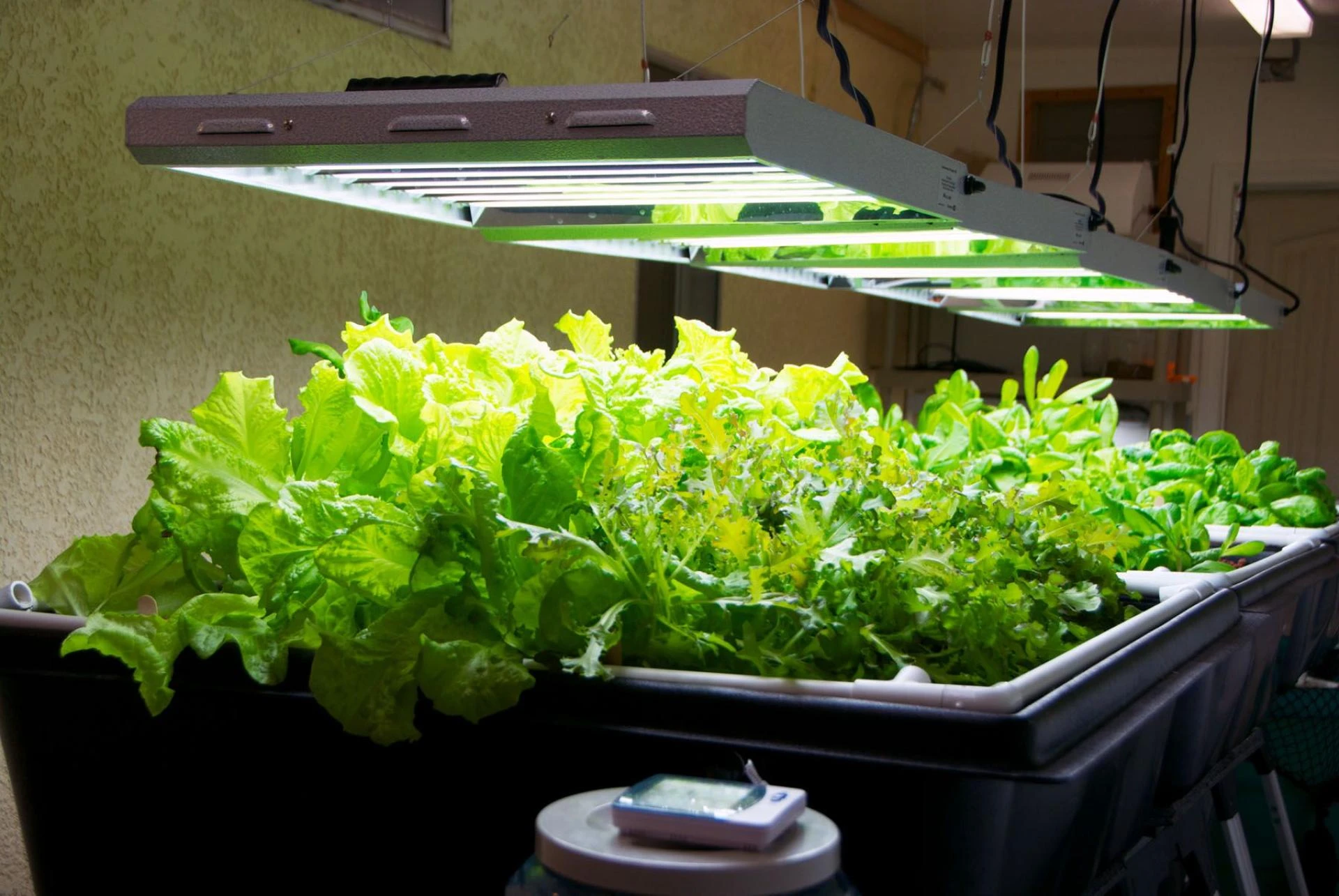
When it comes to growing plants indoors, one of the most common challenges is providing sufficient light. While natural sunlight is ideal for plants, it’s not always feasible to grow plants in direct sunlight, especially in areas with limited daylight or during the winter months. This has led many to turn to artificial lighting solutions, with LED grow lights becoming a popular choice. But can LED grow lights replace natural sunlight? Let’s explore this question in detail and examine the benefits and limitations of using LED grow lights for plant growth.
How Do LED Grow Lights Work?
LED (Light Emitting Diode) grow lights are specially designed to provide the optimal light spectrum that plants need for photosynthesis. Plants absorb specific wavelengths of light to fuel their growth, and LED grow lights can be tailored to emit those exact wavelengths, primarily blue and red light. Blue light promotes healthy foliage and vegetative growth, while red light encourages flowering and fruiting.
Unlike other artificial lights, such as incandescent or fluorescent lights, LEDs produce minimal heat and use energy more efficiently, making them a safer and more sustainable option for indoor gardening. They are available in a full spectrum, mimicking the sun’s natural light, which can potentially make them a viable substitute for sunlight.
Benefits of Using LED Grow Lights
- Energy Efficiency: One of the main reasons why people turn to LED grow lights is their energy efficiency. LED lights consume much less power than traditional light sources, like incandescent bulbs, and produce more light with less heat. This makes them cost-effective and environmentally friendly.
- Customizable Spectrum: Unlike natural sunlight, which provides a broad spectrum of light, LED grow lights can be adjusted to emit the exact wavelengths that plants need for different growth stages. This ability to customize the light spectrum makes LEDs an excellent choice for all types of plants, from leafy greens to flowering plants.
- No Dependency on Weather or Season: With LED grow lights, you no longer need to worry about fluctuating daylight hours or poor weather conditions affecting your plants. They provide consistent lighting, enabling year-round growth, regardless of external conditions.
- Low Heat Output: Many traditional lighting options produce a significant amount of heat, which can stress plants or require expensive cooling systems. LED grow lights generate very little heat, making them ideal for indoor gardening and reducing the risk of burning or dehydrating plants.
Can LED Grow Lights Truly Replace Sunlight?
While LED grow lights for plants offer many advantages, it’s important to understand that they cannot replicate the full spectrum of light provided by the sun. The sun emits a broad range of wavelengths, including ultraviolet (UV) and infrared (IR) light, which contribute to plant growth in ways that LEDs cannot fully duplicate.
In particular, UV light plays a role in stimulating plant defense mechanisms, while IR light helps in regulating plant temperature. While some high-quality LED grow lights do include UV and IR options, they still don’t match the complete range of sunlight.
Additionally, the intensity of sunlight is far greater than that of most artificial grow lights. While LEDs can be powerful enough to promote plant growth indoors, they may not fully replace the sun’s intensity, especially for plants that thrive in outdoor conditions.
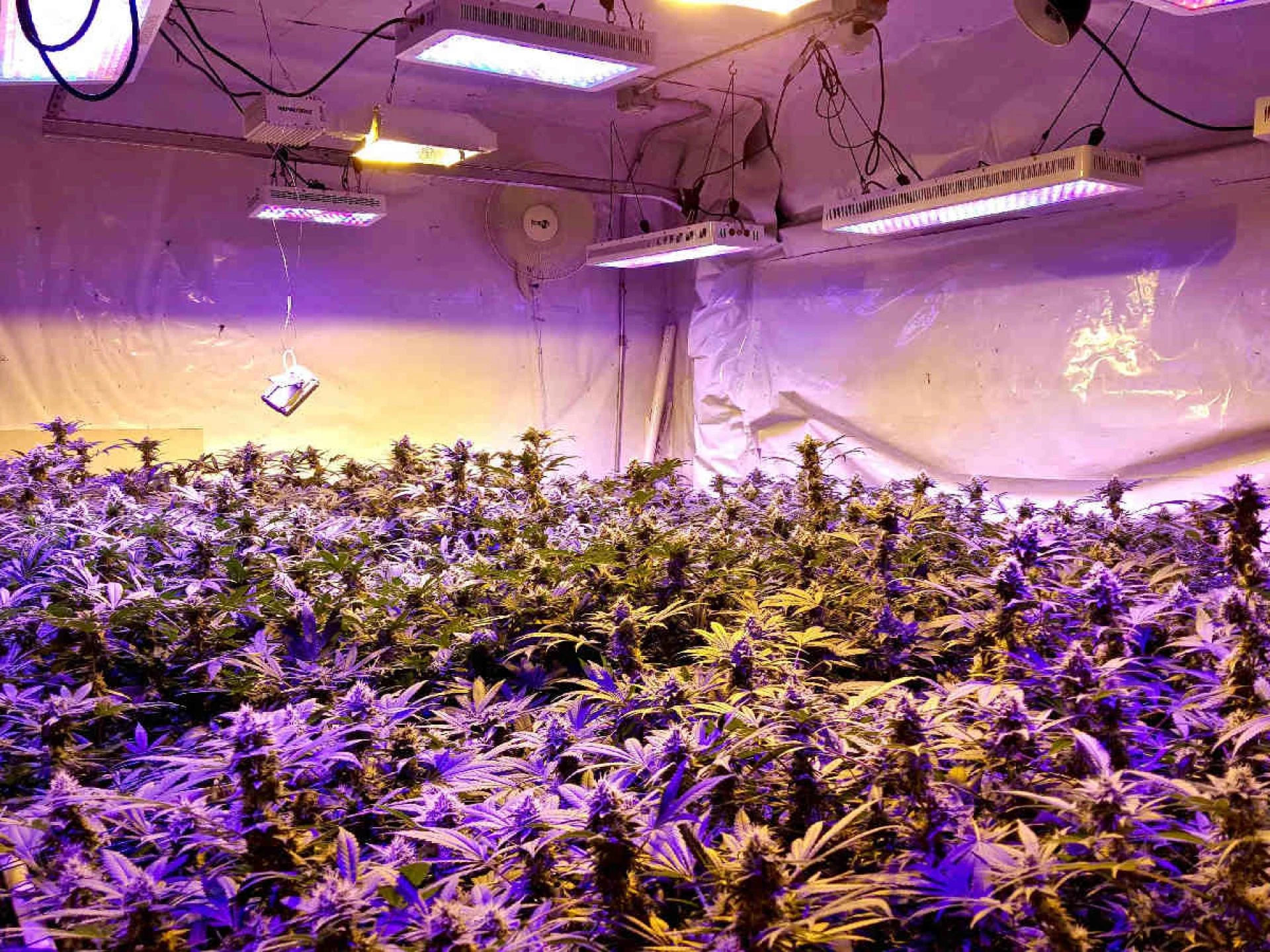
Are LED Grow Lights a Suitable Replacement for All Plants?
LED grow lights can support most indoor plants, but certain plants that require intense light, like succulents or fruit-bearing crops, may not thrive under LED lights alone. For these types of plants, you may need to invest in higher-power LED grow lights or even supplement the lighting with natural sunlight when possible.
For indoor plants such as herbs, leafy greens, and houseplants, LED grow lights can be an excellent substitute for natural sunlight. They provide the right balance of light, are energy-efficient, and are more flexible than relying on sunlight alone.
Check Out:- How Does Smart Lighting for Home Improve Daily Living?
Conclusion
In conclusion, while LED grow lights can’t completely replace natural sunlight, they come pretty close and offer a wide range of benefits for indoor gardening. Their energy efficiency, customizable light spectrum, and low heat output make them an ideal choice for growing plants indoors, even during seasons with limited daylight. However, for some plants that require more intense light or the full spectrum of sunlight, you may need to supplement LED lights with natural sunlight.
Ultimately, the choice of whether to use LED grow lights depends on your plant's specific needs and your growing environment. But with the right LED setup, you can successfully grow healthy plants indoors, no matter the time of year.