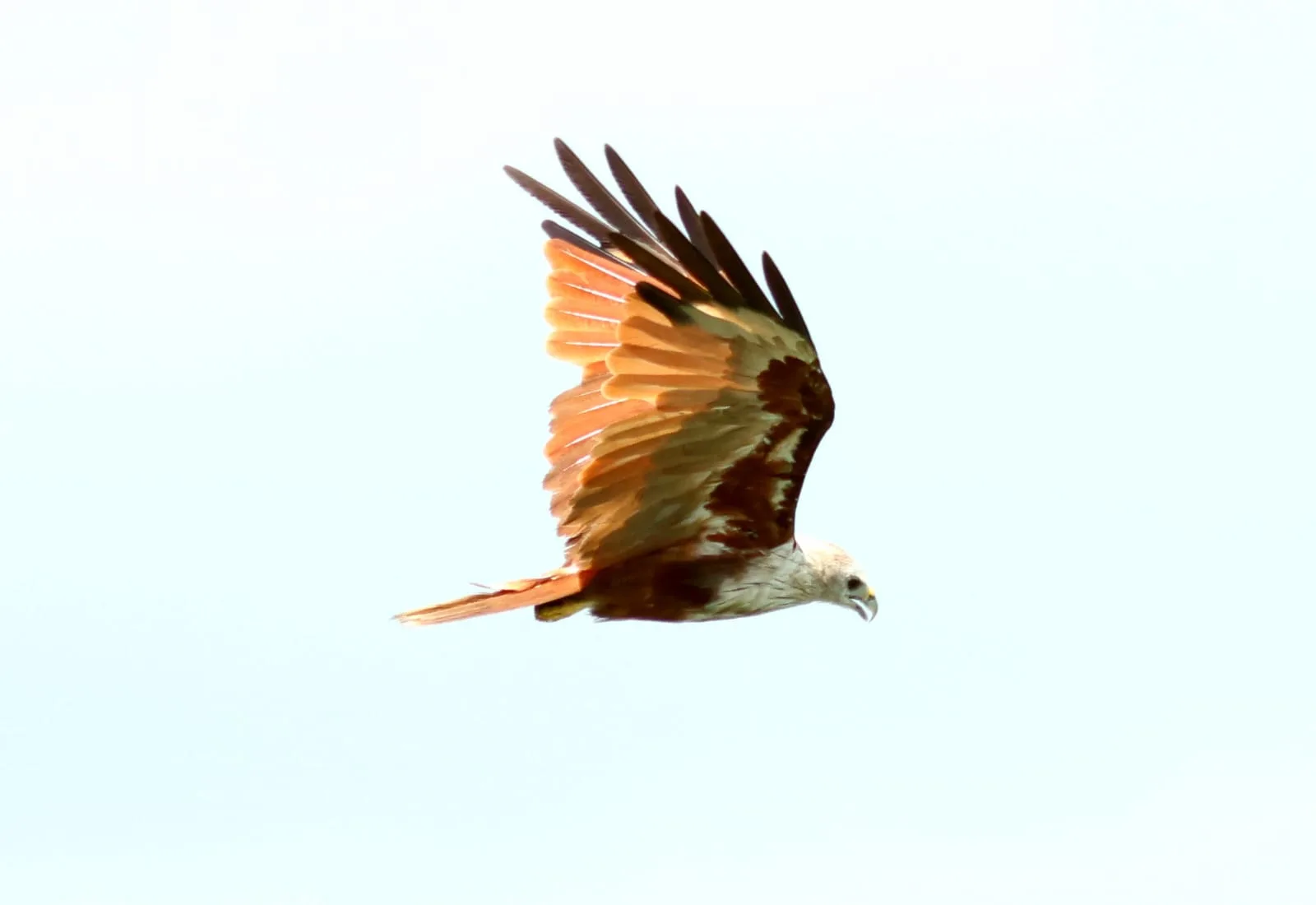
This is for photographers looking to catch raw nature, dense mangroves and the majestic Royal Bengal Tiger. The Sundarban Wildlife Photography Tour is a dream come true. But the difficult terrain, wet weather and erratic animal movements require the proper camera equipment. The right gear could be the difference between missing a shot and capturing the once-in-a-lifetime shot.
The first is the camera body itself and it's vital to choose a model that is fast and durable.
When you shoot wildlife in the Sundarban, your camera body should be fast, reliable and waterproof. The animals are fast and lighting conditions may vary often as a result of thick forest vegetation.
It's best to have a camera that is a DSLR or mirrorless with strong autofocus and a high burst shooting rate (8-10 frames per second or more). The full frame cameras will function better in low light conditions which is often the case in early morning safaris or on cloudy days.
One more major aspect is the weather sealing. The weather in the Sundarban is humid and sometimes it may be sprinkled with water during a boat safari. A high-quality camera body will give them lifespan.
2. Telephoto Lens: Your Most Important Tool
In the Sundarban, the wildlife photography is mostly conducted from a safe distance and hence a telephoto lens is essential. The lens length of 200mm to 600mm is ideal for capturing animals without disturbing them.
The 100-400mm/150-600mm lens helps to zoom in on distant subjects such as birds, crocodiles or tigers. Thus for bird photography, longer focal length is strongly recommended!
The stabilization is essential as the majority of shooting is handheld on a moving boat. The fast lenses (those with a large aperture such as f/4 or f/5.6) will help in situations of low light, and will give you a better background blur.
3. Secondary Lens: Take in the environment
The Telephoto lenses are a must but make sure to pack a backup lens. You can use a wide-angle or standard zoom lens (24-70mm) to record landscapes, mangrove forests, river channels and boat activities.
These lenses are ideal for capturing images of the surroundings and context of your wildlife experience, ideal for storytelling scenes. A Sundarban Photography Tour is not just about animals—it’s also about the unique ecosystem.
4. Tripod vs Monopod: Stable on the Go
It is frequently best to use a monopod. It offers a heavy telephoto lens support while giving flexibility and rapid movements. If you are using a tripod then opt for a lightweight travel tripod.
Bean bags are another great option! They can be placed on the edge of the boat to stabilize your camera when shooting.
5. Camera Protection: Essential for Humidity
The humidity of the Sundarbans area can affect camera equipment. It is very important to protect gear.
Take silica gel packs in camera bag to absorb moisture. Keep your camera gear in a rain cover or waterproof camera bag to prevent unexpected splashes or rain from damaging your gear.
Do not change lenses in an open area, particularly near water. It is easy for dust to get into your camera's sensor and lens.
6. The Memory Cards And Storage
When taking action photos, one has to continuously press the shutter, particularly with wildlife photography. Memory cards with a high capacity and speed are a must.
You can use more than one SD cards with high write speed. This will make sure that your camera won't lag in burst shooting.
Consider also using a portable hard drive or SSD for daily backups of photos. With a card failure, there is a risk that you will lose your images. A failure of the card can be devastating.
7. Batteries and Power Backup
During Sundarban tour, the power supply is limited, particularly when you stay in the boat or in the far out lodges.
You can take an extra 2–3 camera batteries. The mirrorless cameras use more power than traditional cameras, so be sure to account for that in your power needs.
The smaller devices can use an electrical power bank or portable power charger. You can have a multi-plug adaptor available to charge several devices if power is available.
8. Filters: Helpful but Not Required
Filters are not required, but can be useful to make your photos better. A UV filter helps keep your lens dust and scratch free. The polarising filter minimizes glare off water surfaces and improves the clarity of colours, particularly the daylight hours.
But don't add too many filters as it can lower image quality.
9. Cleaning Kit: Have Your Equipment Covered
Due to humidity and exposure to water, your gear may get dirty quickly.
Bring a simple cleaning kit consisting of a microfiber cloth, cleaning solution for the lens and a blower. Regular cleaning will provide clear images and avoid long-term damage.
When cleaning your lens, do not directly wipe it without first removing dust particles, it might get scratched.
10. Camera Bag: Comfort and Protection
A quality camera bag is essential to have for safe camera transport.
You must look for a waterproof, padded backpack that has several pockets. Comfortable to transport during extended periods and easily accessible to equipment.
A bag equipped with a rain cover will provide additional protection when weather turns nasty.
11. Other Add-On Items That You Should Consider
There is certain additional gear can make photography a lot more fun. When you are using a remote shutter release can minimize camera shake. A lens hood helps to keep sunlight from reflecting off the lens and to enhance contrast. Weighty loads can be carried easily over long tours with extra straps and harnesses.
If you're into videography, it's advisable that you take along a small gimbala for smooth video.
12. Smart Packing for the Sundarbans
As vital as picking out the right gear is also packing it smart. You don't carry things that aren't needed that make you heavier and slower.
Just consider how versatile and efficient the product is. You'd want to bring fewer, better stuffs than a ton of accessories that you rarely use.
Conclusion
The equipment you bring and how you use it are vital to the success of a Sundarban Wildlife Photography Tour. The perfect package of camera body, lens, and accessories will ensure that you are ready for all eventualities, whether you are a long-distance shooter seeking a distant tiger or a keen bird photographer trying to get a shot of a bird on the wing.
Remember to be patient and observant, as well as being equipped. If you're equipped with the proper gear and prepared, you can take beautiful photos that truly capture the beauty and mystery of the Sundarbans.