Modern drilling operations require high-quality tools that can withstand demanding ground conditions. For contractors looking for dependable drilling components, experienced Button Bits Manufacturers provide precision-engineered bits designed for efficient rock penetration, durability, and consistent performance. These bits work with DTH hammers and other drilling systems, making them suitable for mining, construction, quarrying, water well, and exploration applications.
What Are Button Bits?
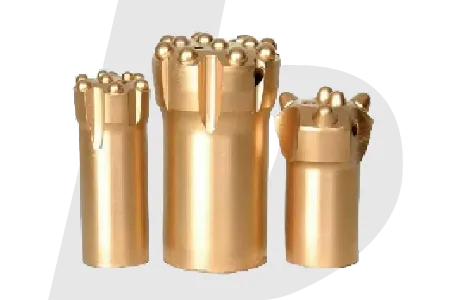
Button bits are specialised drilling tools that use hardened carbide buttons to break and penetrate rock. The buttons sit on the face of the bit and withstand repeated impact and abrasion during drilling.
Furthermore, different button shapes, sizes, and arrangements can suit specific rock formations. Therefore, selecting the correct bit design can improve drilling speed, tool life, and overall productivity.
How Button Bits Work
During drilling, the bit rotates and applies pressure against the rock. In DTH drilling, the hammer delivers repeated impact energy to the bit, while the carbide buttons break the surrounding formation.
As a result, the buttons gradually create and enlarge the borehole. At the same time, compressed air helps remove rock cuttings from the drilling area, allowing the bit to continue working effectively.
Key Benefits of Button Bits
Quality button bits can provide several advantages for professional drilling operations:
- Strong rock penetration: Carbide buttons provide effective cutting and impact performance.
- High durability: Suitable materials can withstand demanding drilling conditions.
- Consistent drilling: Proper button placement supports stable drilling performance.
- Reduced downtime: Durable bits can reduce frequent tool replacement.
- Versatile applications: Different designs can handle various rock formations.
- Improved productivity: Efficient penetration can help maintain drilling progress.
- Better tool life: Correct bit selection can improve wear resistance.
Moreover, matching the bit with the correct hammer, drilling pressure, and formation can further improve performance.
Applications of Button Bits
The versatility of button bits makes them useful across several industries. Consequently, contractors can choose suitable designs according to their drilling method and ground conditions.
Mining and Mineral Exploration
Mining projects often involve hard and abrasive rock formations. Button bits can provide reliable penetration for exploration and production-related drilling. In addition, durable carbide buttons can withstand repeated impact during demanding operations.
Quarrying and Rock Drilling
Quarrying operations require tools that can perform consistently in hard rock. Properly selected button bits can help drilling teams maintain efficient hole formation while managing wear during continuous work.
Water Well Drilling
Water well drilling may pass through different layers of soil and rock. DTH-compatible button bits can provide strong penetration when the drilling process reaches hard formations.
Construction and Infrastructure
Construction projects may require drilling for foundations, anchoring, ground investigation, and other applications. Suitable button bits can help contractors achieve reliable drilling performance in challenging ground.
Types of Button Bits
Different drilling conditions require different bit configurations. Before selecting a product, buyers should consider:
- Button shape: Spherical, ballistic, and other profiles offer different performance characteristics.
- Button diameter: The size should match the required drilling application.
- Face design: Different face arrangements suit different rock conditions.
- Shank configuration: Ensure compatibility with the drilling hammer or system.
- Bit diameter: Select a size appropriate for the required borehole.
- Rock formation: Consider hardness, abrasiveness, and fracture characteristics.
Why Manufacturer Quality Matters
Choosing reliable Button Bits Manufacturers can make a significant difference to drilling efficiency. Quality manufacturers focus on accurate dimensions, suitable carbide materials, precise button placement, and robust manufacturing processes.
Additionally, experienced manufacturers can help customers choose suitable bit configurations based on drilling conditions. This guidance can reduce incorrect tool selection and help contractors achieve better productivity.
Maintenance and Proper Usage
Proper maintenance can extend button bit service life. Operators should inspect the carbide buttons, bit face, shank, and connection area regularly. Any signs of excessive wear, cracks, or damage should receive immediate attention.
Furthermore, operators should use recommended drilling pressure and rotation settings. Keeping the drilling system properly aligned can also reduce uneven wear. Consequently, correct operation and timely maintenance can help maximise tool performance.
Beaver Tracks Button Bit Solutions
Beaver Tracks provides drilling equipment and components for demanding industrial applications. Its button bits are designed to support reliable drilling across mining, quarrying, construction, water well, and exploration requirements.
Moreover, customers should consider the drilling method, rock formation, borehole diameter, hammer compatibility, and expected workload before selecting a bit. The right combination of drilling equipment and tools can improve efficiency and reduce unnecessary operating costs.
Summary
Button bits play an important role in efficient rock drilling by combining hardened carbide buttons with durable bit designs. For businesses seeking dependable drilling tools, Button Bits Manufacturers such as Beaver Tracks can provide solutions suited to different drilling applications and ground conditions. By selecting the correct bit design, using compatible equipment, and following proper maintenance practices, contractors can achieve reliable penetration, longer tool life, and improved drilling productivity.