
When Stability Is Elusive: The 2026 Job Market Landscape
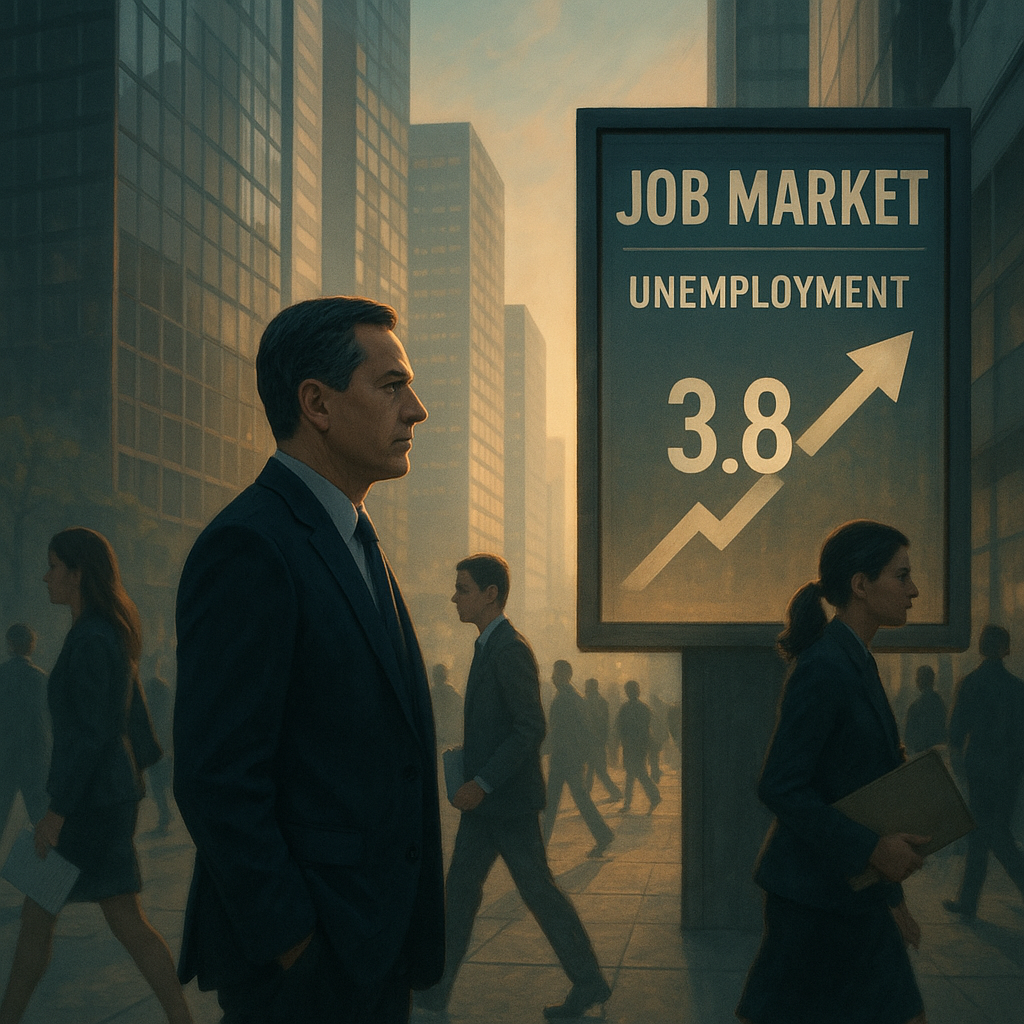
Picture this: a mid-level marketing specialist in Chicago receives an unexpected layoff notice. Across the country, a software engineer in Austin is juggling multiple freelance gigs, unsure if any will turn into steady employment. Meanwhile, a recent college graduate in New York City spends hours scrolling through job boards, only to find postings that require experience they don’t yet have. These stories echo a wider reality that millions of American workers face today. The US job market in 2026 is marked by complexity, rapid shifts, and often contradictory signals. According to the Bureau of Labor Statistics (BLS), the unemployment rate hovers around 4.7%, a figure that might suggest stability on the surface. However, beneath this number lies a web of underemployment, skill mismatches, and volatile sectoral shifts that complicate career trajectories.
In this environment, career resilience becomes not just a desirable trait but a necessity. Resilience, in the career context, refers to the ability to adapt, recover, and thrive despite disruptions and uncertainties. As the US labor market continues to evolve, influenced by technological innovation, geopolitical tensions, and changing workforce expectations, understanding how to build and sustain this resilience is critical.
Tracing the Roots: How Did We Arrive at This Confusing Job Market?
The current job market dynamics did not emerge overnight. The 2020s have been a period of significant upheaval. The lingering effects of the COVID-19 pandemic accelerated remote work adoption, which in turn reshaped hiring practices and employee expectations. Moreover, the rise of artificial intelligence and automation started to change the very nature of many jobs, especially in manufacturing, customer service, and administrative roles.
Adding to this, economic factors such as inflationary pressures and interest rate changes have caused businesses to be more cautious in their hiring, leading to cyclical layoffs and hiring freezes. According to a 2025 report from the Economic Policy Institute, industries like retail and hospitality saw a 15% decline in full-time positions since 2023, while tech and green energy sectors expanded, but with stricter hiring criteria.
On the demographic front, the US workforce is experiencing shifts as Boomers retire and Gen Z enters the labor pool with different values and skill sets. This generational turnover is creating tensions and opportunities simultaneously, with employers struggling to balance traditional work models with the expectations of younger workers who prioritize flexibility and purpose-driven roles.
The Anatomy of Career Resilience: Core Components and Data Insights
Building career resilience involves multiple interlocking elements. Industry experts often identify continuous learning, adaptability, networking, mental toughness, and financial preparedness as the cornerstones. The 2026 National Career Resilience Survey, conducted by the Career Development Association, found that workers who actively engage in upskilling or reskilling initiatives were 40% more likely to maintain employment through economic downturns.
Consider these core components:
- Continuous Learning: Staying current with industry trends and technologies is crucial. This includes formal education, online courses, certifications, and informal learning through professional communities.
- Adaptability: Flexibility in job roles, willingness to pivot industries, and openness to remote or hybrid work arrangements enhance resilience.
- Networking: Building and nurturing professional relationships can open doors to opportunities not advertised publicly, as well as provide emotional and career support.
- Mental Toughness: The capacity to handle stress, uncertainty, and setbacks without losing motivation is a vital psychological skill.
- Financial Preparedness: Having savings or alternative income sources cushions the impact of unemployment or underemployment periods.
"In an unpredictable job market, those who invest in their skills and relationships are best positioned to weather disruptions," says Dr. Anya Patel, a labor economist at Georgetown University.
Furthermore, data from the US Department of Labor shows that workers who diversify their skillset across at least two related fields have a 25% higher reemployment rate within six months of job loss compared to those with specialized but narrow expertise.
2026 Updates: What’s Shaping the Job Market Today?
This year, several developments have further complicated the employment landscape. The rapid integration of generative AI tools in workplaces has automated routine tasks but also created new roles demanding hybrid human-AI skills. However, this transition has been uneven across sectors, causing disparities in job security.
Legislation at both federal and state levels is also influencing careers. The recent passage of the Workforce Innovation and Opportunity Act (WIOA) amendments in late 2025 aims to enhance funding for reskilling programs, particularly targeting displaced workers from traditional manufacturing and retail sectors. Despite this, the rollout of such programs is patchy, with some states like Minnesota leading the charge, as highlighted in our article on Minnesota’s Career Expo Accelerating Hiring in a Cutthroat Job Market.
Additionally, the culture around remote work is evolving. While the initial wave of remote adoption was driven by necessity, 2026 sees a more nuanced approach. Hybrid and flexible models dominate, but employers are increasingly emphasizing in-person collaboration for innovation-intensive roles. This shift requires workers to adapt their skills and expectations continually — a challenge we explored in How Remote Workers Are Elevating Their Skills Amid Fierce Competition.
Expert Views and Industry Implications
Industry leaders and career strategists emphasize that resilience is not just an individual responsibility but also an organizational imperative. Companies that invest in employee development and create environments that encourage agility are better equipped to compete. According to a 2026 Gallup poll, 68% of employees who rated their employers as supportive of professional growth reported higher job satisfaction and lower turnover intentions.
"Resilience is a two-way street. Businesses must foster cultures that empower their workforce to learn, unlearn, and relearn," notes Maria Gonzalez, Chief Human Resources Officer at a Fortune 500 firm.
From the hiring perspective, recruiters increasingly seek candidates with demonstrated adaptability and a track record of learning. This trend has led to hiring processes that emphasize behavioral interviews and portfolio-based assessments over traditional resumes alone.
Strategies for Building Personal Career Resilience
For professionals navigating this uncertain terrain, actionable strategies can make a meaningful difference. Below are key approaches supported by research and expert consensus:
- Invest in Lifelong Learning: Engage with platforms offering micro-credentials and certificates relevant to your field or adjacent areas.
- Expand Your Network: Join professional associations, attend industry events, and leverage social media like LinkedIn to create meaningful connections.
- Embrace Flexibility: Be open to contract, freelance, or part-time opportunities that can serve as bridges during transitions.
- Maintain Financial Health: Build emergency savings and consider multiple income streams to reduce reliance on a single employer.
- Prioritize Mental Health: Use mindfulness, coaching, or therapy to strengthen emotional resilience against stress and uncertainty.
Incorporating these strategies not only buffers against shocks but also positions workers to capitalize on emerging opportunities. Organizations can complement individual efforts by providing access to training and fostering inclusive cultures that reward experimentation and growth.
Looking Ahead: Future Trends and What to Monitor
As we move deeper into the 2020s, several trends will shape career resilience frameworks. The increasing role of AI in augmenting human work will require continuous skill evolution and ethical considerations around workforce displacement. Additionally, demographic shifts, including increased participation of older adults in the workforce, will redefine career stages and retirement norms.
Policy initiatives around universal basic income and expanded social safety nets are also under debate, potentially altering how workers manage career risks. Keeping abreast of these developments will be crucial.
- Emergence of AI-human collaboration roles demanding hybrid skills
- Expansion of remote and hybrid work with localized hubs
- Greater emphasis on soft skills and emotional intelligence
- Changes in labor laws supporting gig and freelance workers
- Increased employer investment in employee career development
Professionals and organizations alike must adopt a proactive stance to anticipate and adapt to these shifts. The accumulation of small, intentional actions around learning, networking, and wellbeing will cumulatively build robust career resilience in an unpredictable labor market.
For readers interested in understanding how businesses are adapting their strategies amid technology-driven disruptions, see our analysis on Rethinking Business Strategy Amid AI’s Unstoppable Rise. This contextualizes the organizational side of resilience, complementing personal career tactics.
Conclusion
In an employment landscape characterized by ambiguity and rapid change, career resilience stands as a vital skill set for survival and success. Understanding the historical context, current realities, and emerging trends equips workers with the foresight needed to navigate complexity. By embracing continuous learning, adaptability, and strategic networking — supported by sound financial and mental health practices — individuals can transform confusion into opportunity.
The US job market of 2026 may be confusing, but it is not insurmountable. Resilience bridges the gap between uncertainty and empowerment, enabling workers not only to withstand shocks but also to thrive in the evolving world of work.