
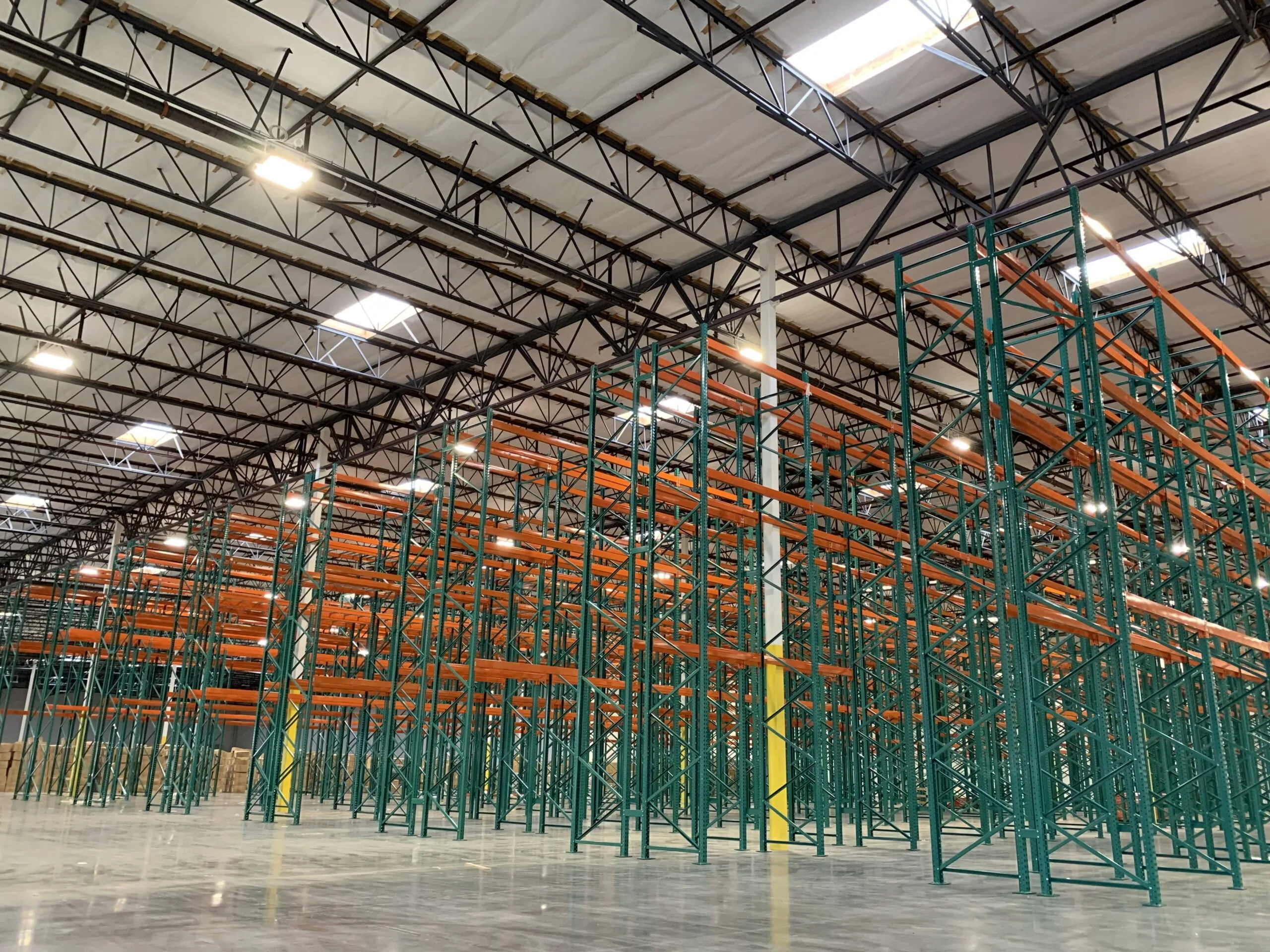
Storage systems carry more pressure than many facilities expect. Daily forklift movement, overloaded beams, and rushed loading patterns often weaken structural stability over time. A damaged teardrop pallet rack may initially look harmless, yet even minor impact points can trigger larger failures across an entire aisle. Modern warehouses now focus heavily on prevention strategies because rack collapses interrupt operations, increase liability, and create severe safety risks. Understanding how protective measures work helps you maintain long-term durability while keeping inventory movement efficient and organized.
Importance of Proper Rack Installation
Correct installation creates the foundation for rack stability. Many storage failures begin because frames sit unevenly or anchors fail to secure properly into the floor surface. Even a slight alignment problem places stress on upright columns and beam connectors during everyday warehouse activity.
Professional installation standards help reduce imbalance and structural fatigue. Beam locking mechanisms also requires routine checks because vibration from forklifts slowly loosens components over time. Facilities using high-density storage systems often experience more pressure on support structures, making alignment accuracy even more critical.
Businesses managing large-scale inventory systems frequently inspect warehouse racks in Los Angeles because seismic regulations and heavy traffic conditions demand stronger compliance standards. Proper spacing between aisles also minimizes accidental forklift contact and improves maneuverability.
Regular Rack Inspection Procedures
Routine inspections prevent small defects from becoming catastrophic failures. Most warehouse environments experience gradual wear that remains unnoticed until visible deformation appears. Bent uprights, cracked welds, and loose anchors usually signal early structural weakness. Identifying these issues early is especially vital for a teardrop pallet rack, as the boltless connection points must remain seated perfectly to ensure the safety of the entire bay.
Inspection schedules should include weekly visual checks and monthly detailed assessments. Damage often develops around lower rack sections where forklift collisions occur repeatedly. Facilities also benefit from documenting every repair and impact incident because historical tracking reveals recurring operational risks.
Temperature shifts and humidity can influence steel performance over long periods. Corrosion near base plates weakens load-bearing capacity and increases instability risks. Early maintenance prevents replacement costs from escalating unexpectedly.
Warehouse managers often collaborate with storage specialists like Luoshan international Inc. to evaluate rack integrity and improve long-term warehouse safety standards without disrupting operational flow.
Safe Loading and Weight Distribution
Uneven weight distribution remains one of the most common causes of rack collapse. Heavy pallets concentrated on one beam level place excessive pressure on connectors and upright frames. Balanced loading reduces structural strain and improves system longevity.
Employees should always follow manufacturer load limits. Exceeding capacity weakens beam deflection tolerance and increases the likelihood of sudden failure during product handling. Clearly visible load signage also reminds operators about safe storage practices.
Pallet quality matters as much as rack strength. Broken or unstable pallets shift unexpectedly during loading, causing beams to twist or detach. Facilities that maintain strict pallet inspection routines often reduce product loss and structural damage significantly.
Organized stacking methods create better airflow, clearer visibility, and safer retrieval operations. Consistent placement also lowers the chance of accidental collisions caused by unstable inventory positioning.
Forklift Operation and Impact Prevention
Forklift accidents contribute heavily to rack damage in busy storage facilities. Even low-speed contact weakens upright frames over time. Repeated impacts create metal fatigue that may remain hidden until the structure eventually collapses under pressure.
Operator training plays a major role in accident prevention. Drivers who understand aisle spacing, turning radius limitations, and load positioning make fewer contact errors during transport. Speed control policies also improve reaction time inside narrow warehouse lanes.
Protective barriers and guard rails add another layer of defense around vulnerable rack sections. These reinforcements absorb minor impacts before structural components experience direct force. Facilities with high forklift traffic often install end-of-aisle protectors to minimize repeated corner damage.
Many modern warehouses using warehouse racks in Los Angeles adopt impact monitoring practices because busy distribution environments require continuous operational safety and rapid inventory movement.
Environmental and Structural Safety Measures
Warehouse environments influence rack durability more than many operators realize. Poor flooring conditions create uneven pressure points beneath upright frames, gradually reducing stability. Cracked concrete surfaces also weaken anchor performance during heavy loading cycles. Furthermore, a teardrop pallet rack must be anchored to a level floor to prevent the vertical uprights from leaning, which could compromise the locking strength of the teardrop-shaped punches.
Lighting conditions affect operator visibility and increase collision risks in darker aisles. Better illumination improves forklift accuracy and reduces accidental beam strikes. Ventilation systems also help prevent moisture buildup that accelerates corrosion around steel components.
Seismic reinforcement becomes essential in regions vulnerable to ground movement. Additional bracing systems strengthen rack resistance against vibration and shifting loads. Facilities that prioritize environmental safety standards often experience fewer emergency repairs and lower operational downtime.
Long-term structural planning helps warehouses adapt to changing inventory demands without compromising safety. Periodic engineering evaluations identify weaknesses before they escalate into serious hazards.
Employee Training and Warehouse Awareness
Human error remains a major factor behind most storage rack failures. Employees working around heavy inventory systems need continuous safety education to recognize hazards quickly and respond correctly during loading operations.
Training programs should include weight distribution procedures, forklift communication protocols, and emergency response planning. Workers who understand structural warning signs report issues earlier, preventing more severe damage from developing.
Clear aisle markings and visible safety instructions improve operational awareness throughout the facility. Employees also benefit from learning how improper pallet placement affects rack stability over time.
Safety culture influences warehouse performance directly. Facilities that encourage routine reporting and preventive maintenance typically experience fewer accidents and stronger operational consistency. Teams become more attentive when safety procedures remain part of everyday workflow rather than occasional reminders.
Storage providers such as Luoshan International Inc often emphasize operational discipline because prevention strategies work best when every employee follows standardized warehouse practices consistently.
Conclusion
Warehouse safety depends heavily on proactive maintenance, proper loading habits, and continuous employee awareness. A neglected teardrop pallet rack can gradually weaken under repeated stress, eventually creating serious operational and safety consequences. Facilities that prioritize inspections, impact prevention, and structured training often maintain stronger storage performance for years. Long-term stability does not come from a single repair approach. Instead, consistent monitoring and disciplined warehouse procedures help reduce collapse risks while keeping inventory systems secure, organized, and operationally efficient.