
Remote Work’s Rising Stakes: A Competitive Landscape
On a crisp Monday morning in early 2026, Maya, a remote UX designer based in Austin, Texas, refreshed her job alerts for the tenth time that hour. The remote job market had never been more crowded. According to the latest estimates from the U.S. Bureau of Labor Statistics, remote roles represent over 30% of all professional jobs—a figure that has plateaued but remains fiercely contested. Maya’s experience is emblematic of thousands of professionals worldwide who find themselves in an increasingly competitive arena.
Remote work, once hailed as a liberating trend, has evolved into a battleground where skill enhancement and strategic positioning determine career survival. As businesses continue to optimize hybrid and fully remote models, employees must constantly up their game to stand out. This article examines how remote workers are adapting, the pressures they face, and what strategies are proving most effective in 2026.
From Pandemic Necessity to Permanent Norm: The Backdrop
The seismic shift to remote work began as a pandemic emergency but quickly morphed into a permanent fixture. By late 2023, global surveys indicated that more than 60% of companies intended to maintain flexible remote policies. The initial novelty gave way to expectations of higher productivity, broader talent pools, and cost efficiencies.
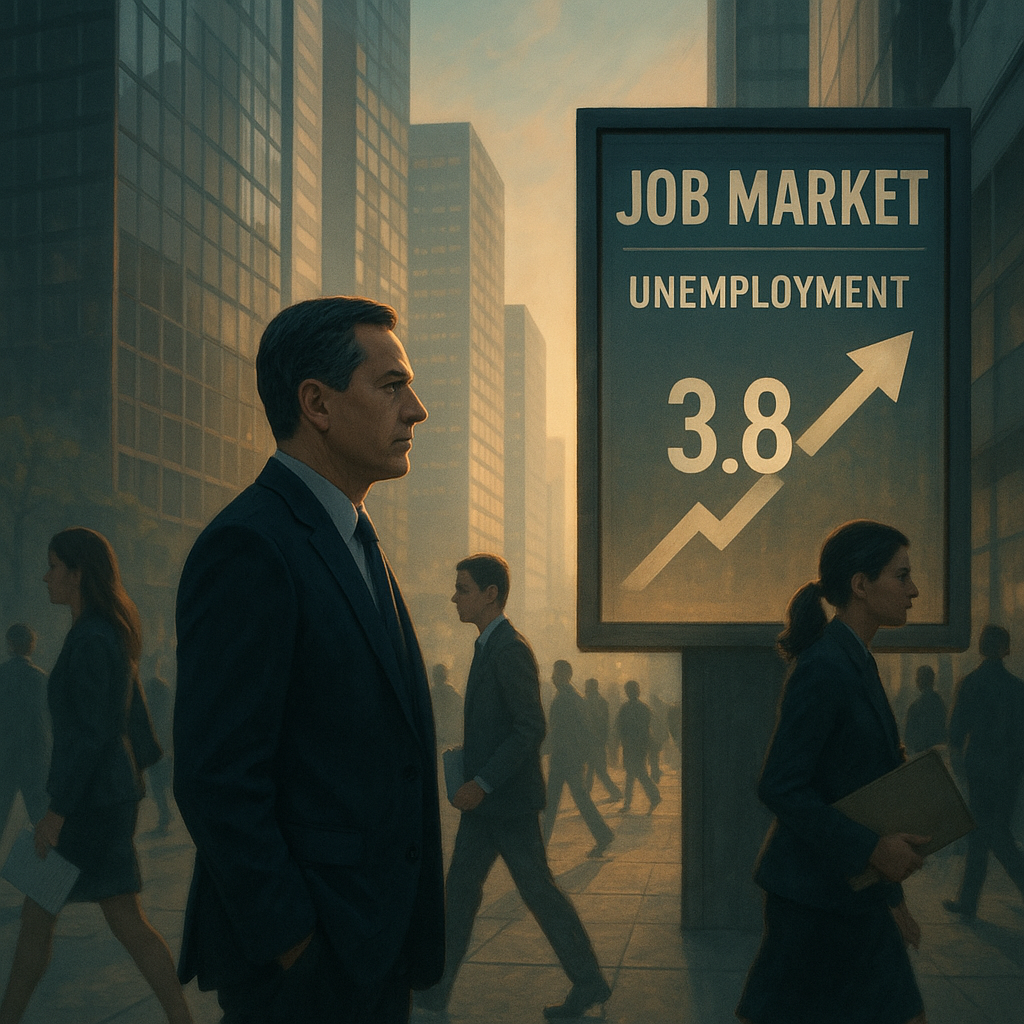
Yet this shift also ignited a fierce competition for remote roles. As reported in our analysis of why experienced workers still struggle despite falling unemployment rates, the remote work environment has lowered geographic barriers but raised the bar on skills and adaptability. Remote workers now compete not just locally but against a global talent pool, including emerging markets where wage expectations differ significantly.
Employers began demanding more demonstrable skills, faster turnaround times, and greater autonomy. The pressure to continuously learn new tools and methodologies has become relentless. Workers who once enjoyed flexible schedules now face an implicit expectation of near-constant availability and rapid responsiveness to maintain their edge.
Data-Driven Insights: How Remote Workers Are Upping Their Game
Recent data from the 2025 Global Remote Work Survey reveals that 72% of remote workers have actively pursued new certifications or advanced training within the past year. This trend is supported by a surge in enrollment in online platforms specializing in technical and soft skills alike, including Coursera, Udemy, and niche bootcamps tailored to remote work competencies.
Among key areas of skill enhancement are:
- Digital collaboration tools mastery: Proficiency in platforms such as Notion, Slack, and emerging asynchronous video communication apps.
- Time management and self-discipline: Techniques to structure the workday effectively in the absence of in-person supervision.
- Cross-cultural communication: Navigating diverse teams scattered across time zones and cultural contexts.
- Technical upskilling: Especially in AI-assisted programming, data analytics, and cybersecurity.
- Mental resilience and wellness management: Skills to mitigate burnout and sustain productivity.
Employers now frequently require remote candidates to demonstrate these proficiencies through practical tests, portfolio proofs, or real-time problem-solving during interviews. According to industry analysts, this evolution underscores a paradigm shift from credential-based hiring to competency-based evaluation.
"Remote work today demands more than a good Wi-Fi connection; it requires continuous reinvention of one’s skill set to remain relevant in a hyper-competitive global marketplace," observes Dr. Anita Kumar, a workplace strategist.
2026’s New Developments: The Technologies and Trends Shaping Remote Work
Two major trends have redefined remote work dynamics in 2026: the integration of AI-driven productivity tools and the normalization of multi-job remote careers.
Artificial intelligence has been deployed not just for automating routine tasks but as a personal career coach for remote workers. Platforms now offer AI-generated personalized learning paths and real-time feedback on communication styles, task prioritization, and even emotional intelligence in virtual meetings.
Meanwhile, the gig economy’s expansion into remote professional roles means many workers juggle multiple part-time remote jobs. Our related coverage on balancing three remote jobs for $280K reveals both the lucrative potential and the precariousness of this approach as market shifts can disrupt income streams rapidly.
Moreover, companies have instituted more rigorous performance monitoring through software that tracks productivity metrics, raising privacy debates but also intensifying competitive pressures. The rise of virtual coworking spaces attempts to combat isolation but adds new social dynamics remote workers must master.
"The line between personal and professional life has blurred further. Workers must now navigate complex digital ecosystems while maintaining peak performance," notes Sarah Liu, a remote work consultant.
Expert Perspectives: Industry Voices on Remote Work Competition
Leading HR executives and labor economists highlight several key factors driving this intensified competition. According to a recent panel at the Future of Work Symposium, the oversupply of talent in certain sectors creates a buyer’s market for employers, empowering them to raise expectations and demand continuous upskilling.
Remote work’s global reach also introduces wage disparities and cultural nuances that complicate managing and motivating distributed teams. Experts emphasize that emotional intelligence and adaptability are now as critical as technical know-how.
Importantly, some caution that this hyper-competitive environment risks exacerbating inequalities. Workers without access to reliable broadband, advanced education, or mentoring may struggle disproportionately. Companies that invest in inclusive training and equitable policies are more likely to retain top talent.
These insights align with findings from our article on why remote work is rewriting the rules of career and collaboration, which stresses that success hinges on continuous learning and strategic networking in virtual spaces.
Future Outlook: What Remote Workers and Employers Should Watch For
Looking ahead, several developments will shape remote work competition:
- Hybrid skill sets: Combining technical expertise with leadership and project management skills will be increasingly valuable.
- AI augmentation: Workers who leverage AI tools to enhance productivity and creativity will outperform peers.
- Focus on mental health: Sustainable work practices will become a differentiator for employers and employees alike.
- Personal branding: Establishing a strong digital presence and reputation will influence career trajectories.
- Regulatory shifts: Privacy laws and labor protections will evolve, impacting remote work policies globally.
Remote workers are advised to invest in lifelong learning, cultivate cross-cultural competencies, and build resilient networks. Employers must balance monitoring with trust and foster cultures that value flexibility without sacrificing accountability.
In conclusion, remote work’s competitive pressures have catalyzed a new era of professional development and strategic career management. As Maya refines her portfolio and hones new skills, she embodies a generation of workers redefining success beyond physical offices. This transformation, complex and challenging, also offers unprecedented opportunities for those prepared to meet it head-on.
For a deeper understanding of how remote work is reshaping collaboration, see Why Remote Work Is Rewriting the Rules of Career and Collaboration. Additionally, exploring our analysis on Why Experienced Workers Still Struggle Despite Falling Unemployment Rates provides context on skill gaps in the current labor market.