Fintech and healthcare are two of the hardest industries to offshore. Both sit under heavy regulation, both handle data that cannot leak, and both treat their software as core IP rather than something to hand to a vendor. That combination makes traditional outsourcing a poor fit. It is also exactly why the Build Operate Transfer (BOT) model, ending in an owned Global Capability Center in India, works so well for them.
This article covers how fintech and healthcare companies use BOT, the compliance realities they face, and the specific use cases where an owned India center earns its keep.
Why Regulated Industries Need a Different Model
A Global Capability Center is a company-owned office, usually in India, that runs engineering, product, and support as your own team rather than an outsourced vendor. For most industries, outsourcing is a reasonable option. For fintech and healthcare, it often is not, for three reasons.
Control over data is the first. These sectors handle financial records and health information that carry strict handling rules, and a vendor-owned team adds a layer you do not fully control. IP ownership is the second. The software is the product, and these companies cannot accept the vendor-owns-everything structure of outsourcing. Stability is the third. Regulated products need teams that stay, not revolving contractors, because institutional knowledge of compliance is hard-won.
BOT answers all three. You end up owning the entity, the team, and the IP, with a partner carrying the setup and compliance risk first.
The Compliance Reality
Setting up an owned center in India means running a regulated business entity. That carries obligations in data protection, labor law, and foreign investment, and for fintech and healthcare the data rules bite hardest.
India's Digital Personal Data Protection (DPDP) framework governs how personal data is handled, and both sectors process plenty of it. US healthcare companies also carry their home obligations, such as HIPAA, that follow the data wherever it is processed. Financial services firms face their own sector rules in their home market and data-handling expectations in India. Important caveat: these rules, and their enforcement timing, have been changing, so treat this as orientation and confirm the current specifics with qualified legal and data-protection advisors before you act.
The practical point is that BOT lets a regulated company inherit a running, compliant operation rather than assembling one blind. A partner sets up entity, HR, payroll, and data-security compliance, backed by recognized standards like ISO 27001 and SOC 2, and coordinates with legal and tax specialists for the areas that need them. The company takes over a center where compliance is already a living function.
Fintech Use Cases That Work
Fintech companies use owned India centers for the work they most want to keep in-house.
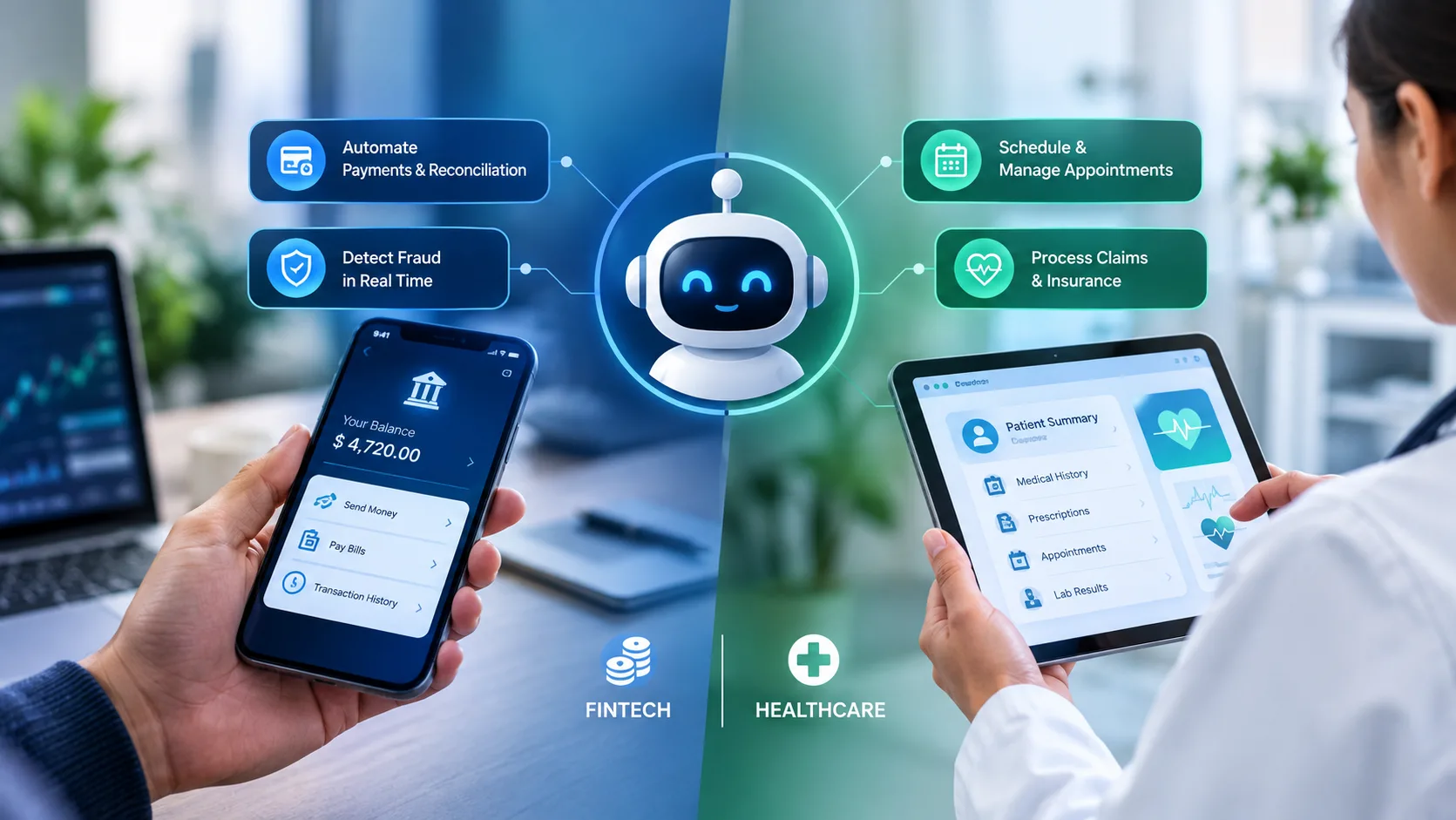
Core platform engineering is one: the payment, ledger, and transaction systems that are the product itself. Data and risk engineering is another, including fraud detection and the data pipelines behind it, where control over data handling matters. Compliance and reporting technology fits too, since the team understands both the code and the regulatory context. And increasingly, AI-driven features like risk scoring and customer support automation, built by a team that can govern how AI touches financial data.
In each case, the appeal is the same. These are not tasks a fintech wants a vendor to own. They are capabilities it wants to build and keep, which is what a BOT-to-GCC route delivers.
Healthcare Use Cases That Work
Healthcare and life sciences companies follow a similar logic.
Clinical and patient-facing software is a common mandate: systems that handle health data under strict privacy rules, where owning the team and the data path matters. Health data engineering and interoperability work fits an owned center well, because it sits close to sensitive data. Regulatory and quality technology, supporting the documentation and compliance that healthcare products require, benefits from a stable team that learns the domain. And healthcare AI work, from clinical workflow tools to administrative automation, needs governance that an owned, well-run center can provide.
The thread, again, is control. Healthcare software handles data and carries risk that these companies do not want to place entirely in a vendor's hands.
Real-World Use Case
An enterprise software company in a regulated sector wanted an India center but saw the compliance landscape as the main barrier. It used BOT so a partner could absorb the entity, hiring, and data-security compliance, and had a 40-person center running in under three months, with a documented path to transfer ownership. The company got an owned, compliant team close to its sensitive work, without having to stand up the regulatory function itself first. That is the pattern that makes BOT fit regulated industries.
How to Approach It
If you run a fintech or healthcare company weighing an India center, lead with compliance and control, not just cost. Choose a partner who sets up and runs the regulatory function, carries recognized security certifications, and coordinates with specialist legal and tax advisors. Confirm how your home-market obligations, such as HIPAA or financial-sector rules, are handled alongside Indian requirements. And use the phased BOT route to prove the model before you own it outright.
MetaDesign Solutions leads with regulated and product-heavy sectors, including BFSI, fintech, healthcare, and pharma, and sets up and operates GCCs end to end with ISO 27001 and SOC 2 practices, coordinating with legal and tax partners where specialist advice is needed.
Conclusion and Next Step
Fintech and healthcare need what outsourcing cannot give: control over data, ownership of IP, and a stable team that understands compliance. Build Operate Transfer, ending in an owned GCC in India, delivers exactly that, with a partner carrying the setup and regulatory risk first. For these industries, the owned model is not a luxury. It is often the only model that fits.
Run a fintech or healthcare company considering an India center? Book a consultation with MetaDesign Solutions. We will map your compliance path, security needs, and the phased BOT route to an owned GCC. We sign NDAs and respond within one business day. This article is general information, not legal or compliance advice; confirm specifics with qualified advisors.
Frequently Asked Questions
Why is BOT a good fit for fintech and healthcare?
Because these sectors need control over data, ownership of IP, and stable teams that understand compliance, which outsourcing cannot give. BOT ends in an owned center while a partner carries setup and compliance risk first.
What is a Global Capability Center?
A company-owned office, usually in India, that runs engineering, product, and support as your own team rather than an outsourced vendor, giving you control of talent, IP, and roadmap.
What compliance applies to a fintech or healthcare GCC in India?
Indian obligations include the DPDP data protection framework, labor law, and foreign investment rules. Home-market rules such as HIPAA or financial-sector regulation may also apply. Confirm current specifics with qualified advisors.
How does BOT reduce compliance risk?
A partner sets up and runs entity, HR, payroll, and data-security compliance while the center matures, then transfers a working, compliant operation to you, so you inherit a running function rather than building one blind.
What fintech work suits an owned India center?
Core platform engineering, data and risk engineering including fraud detection, compliance and reporting technology, and AI-driven features, the capabilities a fintech wants to build and keep rather than hand to a vendor.
What healthcare work suits an owned India center?
Clinical and patient-facing software, health data engineering and interoperability, regulatory and quality technology, and healthcare AI tools, all areas where control over data and a stable team matter.
What certifications should a partner have for regulated work?
ISO 27001 and SOC 2 signal the security and data controls these sectors require. They do not replace statutory obligations but demonstrate the practices that keep a center defensible.
Does HIPAA apply if my team is in India?
US healthcare obligations can follow the data wherever it is processed. How they apply to an India center is a specialist question, so confirm it with qualified legal and compliance advisors.
Do I own the IP and the team in a BOT engagement?
Yes, after transfer. A well-structured BOT passes full ownership of the entity, team, and IP to you, which is why regulated, IP-heavy companies prefer it over outsourcing.
How fast can a regulated company get a compliant center running?
First hires can arrive within the first few months, and a full center is typically operational in 6 to 9 months, then transfers to you once the model and compliance are proven.