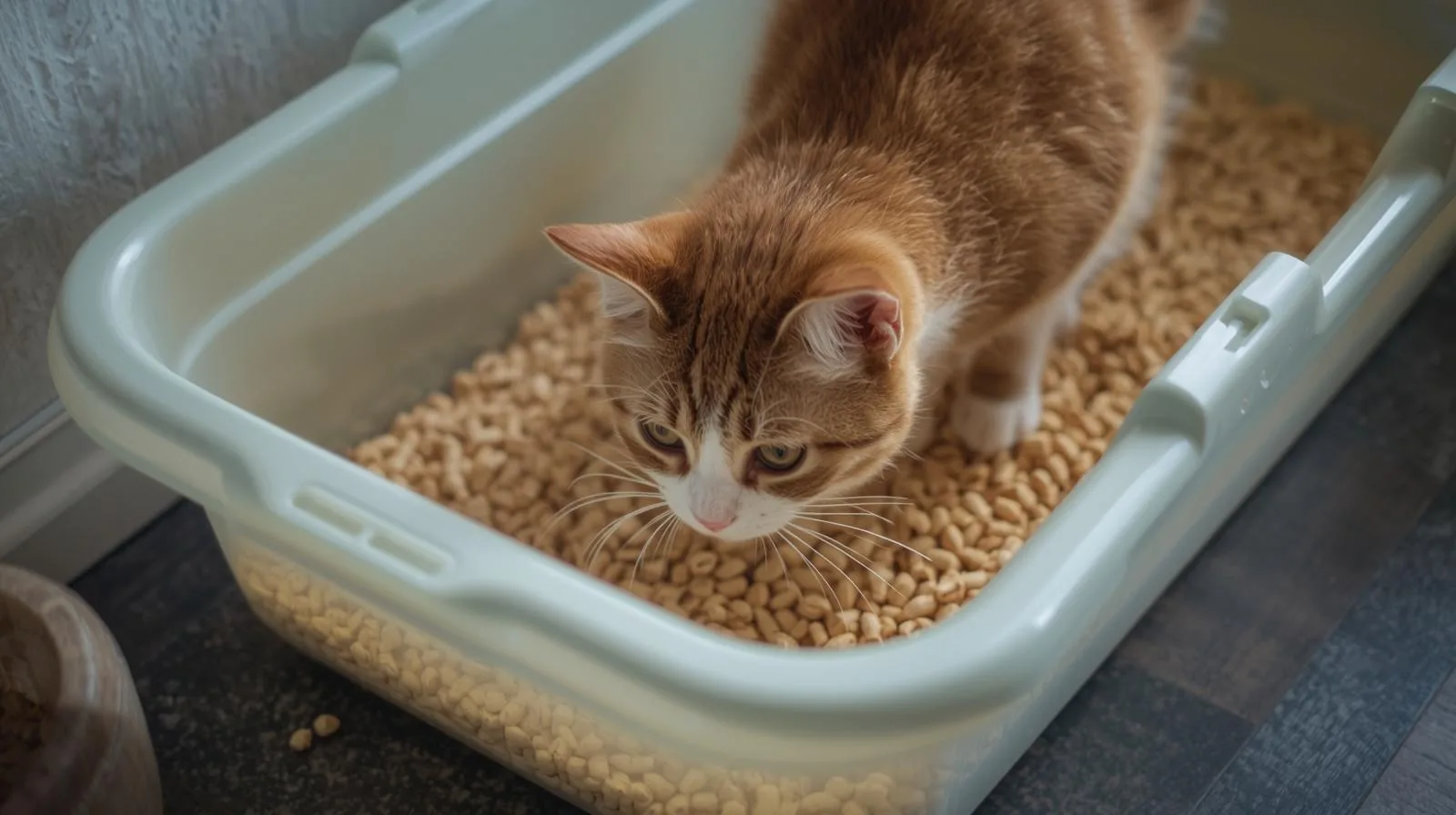
The global pet care industry has entered a period of rapid growth, and cat litter has become an essential product for millions of pet owners worldwide. As consumers become more environmentally conscious, the demand for natural, biodegradable, and renewable cat litter products continues to increase. Compared with traditional mineral-based cat litter, plant-based cat litter products are becoming increasingly popular due to their sustainable characteristics, low environmental impact, and excellent user experience.
Among various plant-based cat litter options, corn cat litter has gained strong market attention. Made from corn by-products such as corn cobs, corn stalks, and corn residues, this type of cat litter provides good absorption performance, natural odor control, lightweight transportation advantages, and biodegradability. For investors and manufacturers, developing a professional corn cat litter manufacturing project can create new opportunities in the expanding global pet product market.
However, producing high-quality corn cat litter requires more than suitable raw materials. Manufacturers need advanced processing technology, reliable equipment, and efficient production management. A well-designed corn cat litter production line can help companies achieve stable production, improve product quality, reduce operating costs, and meet the growing demand for eco-friendly pet products.
Corn cat litter is mainly produced from renewable agricultural resources. Corn processing industries generate large amounts of by-products, including corn cobs and corn residues. Instead of being discarded or used with low economic value, these materials can be recycled and transformed into valuable cat litter products through professional processing technology.
The utilization of corn-based materials supports the development of a circular economy. By converting agricultural waste into pet products, manufacturers can reduce resource waste while creating additional revenue streams. This sustainable production concept is one of the important reasons why corn cat litter has attracted increasing attention in international markets.
The quality of corn cat litter depends greatly on raw material selection and preparation. Suitable raw materials should have low impurity levels, proper moisture content, and stable physical characteristics. Before entering the production process, corn materials need to be processed to ensure smooth operation and consistent product performance.
The first stage of corn cat litter manufacturing is raw material cleaning. Agricultural materials may contain impurities such as soil, stones, metal particles, and other foreign materials during harvesting and transportation. Cleaning equipment removes these impurities, protects downstream machinery, and improves the stability of production.
After cleaning, corn materials are crushed into smaller particles. Crushing improves material uniformity and creates better conditions for subsequent processing. Proper particle size is important because it affects mixing efficiency, pellet formation, absorption ability, and the final appearance of finished products.
Moisture control is another important factor during production. Agricultural materials naturally contain moisture, and suitable moisture levels are necessary for effective pelletizing. Excessive moisture may reduce production efficiency, while insufficient moisture may affect pellet strength. Professional production systems include moisture adjustment methods to maintain optimal processing conditions.
The mixing process ensures that corn materials and other functional ingredients are evenly combined. Depending on product requirements, manufacturers can add natural binders, deodorizing components, or fragrances to improve product performance. A high-quality mixing system ensures consistent material distribution and stable product quality.
Pelletizing is the core process of corn cat litter manufacturing. During this stage, prepared materials are compressed under pressure and formed into uniform pellets. The pelletizing process determines important product characteristics, including absorption capacity, density, durability, and appearance.
(Learn more about industrial cat litter pellet machine )
A complete corn cat litter production system integrates multiple processing stages, including raw material preparation, crushing, mixing, pelletizing, drying, cooling, screening, and packaging. By combining these processes into an integrated manufacturing system, companies can achieve higher efficiency and better quality control compared with traditional production methods.
Drying plays a critical role after pelletizing. Freshly produced corn cat litter pellets usually contain moisture that needs to be reduced before packaging. Efficient drying equipment removes excess moisture, improves storage stability, and helps maintain product quality during transportation.
After drying, cooling equipment reduces pellet temperature and stabilizes product structure. Cooling is necessary before screening and packaging because it improves handling performance and reduces the risk of pellet damage.
The screening process separates qualified corn cat litter pellets from broken particles and oversized materials. Uniform pellet size improves product appearance and provides a better user experience. Screening equipment also helps manufacturers reduce waste by recycling unsuitable materials.
Packaging is the final stage before products enter the market. Automatic packaging machines can complete weighing, filling, sealing, and labeling operations efficiently. Automated packaging improves production accuracy, reduces labor costs, and helps manufacturers meet the supply requirements of distributors and retailers.
For companies planning commercial production, investing in a professional corn cat litter production line provides significant advantages. Compared with small-scale manual processing, a complete production system offers higher production capacity, stable product quality, and better cost control.
Modern automation technology has become an important trend in corn cat litter manufacturing. Automatic feeding systems, intelligent control systems, efficient pellet mills, drying equipment, screening machines, and packaging units work together to create an optimized production workflow.
One major advantage of automated production is improved quality consistency. Corn cat litter performance depends on factors such as moisture content, pellet density, particle size, and material composition. Intelligent control systems help monitor production conditions and maintain stable operating parameters.
Automation also improves production efficiency. Companies targeting large consumer markets require reliable output capacity. Automated equipment reduces manual operation, minimizes production interruptions, and allows factories to achieve continuous manufacturing with fewer operators.
Energy efficiency should also be considered when designing a corn cat litter manufacturing facility. Drying and pelletizing processes consume energy, so selecting efficient equipment can significantly influence production costs. Advanced machinery with optimized designs helps manufacturers reduce energy consumption and improve profitability.
Factory layout planning is another important part of project development. A scientific layout ensures smooth material transportation, reduces unnecessary movement, improves workplace safety, and simplifies equipment maintenance. Professional engineers can design production layouts according to factory space, output requirements, and future expansion plans.
Customization is essential because different manufacturers have different business goals. Some companies may focus on premium natural cat litter products, while others may target large-scale commercial markets. Production capacity, equipment configuration, and automation levels should be customized according to specific investment plans.
Quality control should cover every stage of corn cat litter production. Raw materials should be inspected before processing, production parameters should be monitored during operation, and finished products should be tested before shipment. Important indicators include absorption performance, moisture content, pellet strength, dust level, and biodegradability.
Choosing an experienced equipment supplier is a key factor in establishing a successful corn cat litter business. A professional supplier should provide complete support, including production process design, equipment selection, installation guidance, commissioning, operator training, and after-sales service.
RICHI provides professional pelletizing equipment and customized production solutions for customers in the pet product manufacturing industry. Based on different agricultural materials, production capacities, and investment requirements, RICHI can design efficient corn-based cat litter manufacturing systems to help customers build reliable production facilities.
With advanced manufacturing technology and professional engineering experience, RICHI Manufacture supports customers throughout the entire project process, from initial planning to production operation. Whether establishing a small production workshop or a large-scale commercial factory, manufacturers can benefit from optimized processes and dependable equipment solutions.
The market potential of corn cat litter remains promising as consumers continue to seek sustainable alternatives to traditional products. Companies that invest in modern manufacturing technology, improve production efficiency, and maintain strict quality control will gain stronger advantages in the global pet care market.
Building a successful corn cat litter business requires the combination of high-quality raw materials, efficient production technology, professional equipment, and effective management. By adopting a modern corn cat litter production line, manufacturers can transform agricultural by-products into valuable pet products and achieve sustainable growth in the expanding global cat litter industry.