Melbourne's brand-new apartment market is not one story. It is a collection of distinct segments—boutique owner-occupier projects, build-to-rent developments, and inner-city towers—each with its own buyer profile, supply dynamics, and risk profile. The segment you choose matters more than the suburb on the address.
The Boutique Owner-Occupier Segment
For buyers seeking scarcity, design quality, and genuine liveability, the most compelling new projects are small in scale and located in established suburbs.
Wattletree Pavilion in Armadale is the clearest example. This is a collection of just eight exclusive residences, comprising full-floor and half-floor apartments with three, four, and five bedrooms. Construction is already underway. The design draws on Victorian verandah architecture and pavilion-style living, with interiors by SORA. Every residence above ground floor has city views, and the garden residence includes a private four-car garage with direct street access. Finishes include Gaggenau appliances, heated bathroom floors, and ceiling heights of approximately 2.85 to 3.0 metres. The location is a short walk to Armadale Station and Tram Route 6 .
These projects are not competing on price. They are competing on scarcity, design quality, and genuine liveability. They appeal to downsizers, families, and prestige owner-occupiers who intend to live in the home, not rent it out .
The Build-to-Rent Wave
A significant portion of Melbourne's new apartment supply is not for sale. Melbourne leads the nation as the build-to-rent capital, with more than 70 per cent of build-to-rent homes completed in Australia last year located in Victoria .
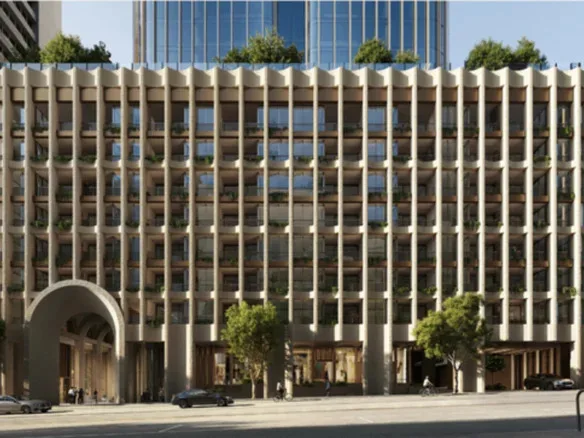
West Tower at Melbourne Quarter has completed construction, delivering 797 build-to-rent residences across 45 levels opposite Southern Cross Station. The development includes co-working hubs, fitness and wellness spaces, a cinema, bowling alley, golf simulator, and rooftop terraces. The tower is fully electric and designed to achieve a 5 Star Green Star rating. It represents one of Australia's largest single build-to-rent developments .
Indi Footscray by Oxford Properties and Investa delivered 702 apartments across three buildings, bringing the Indi platform to 4,000 units and making it the fourth-largest build-to-rent community in the country .
For buyers, the build-to-rent pipeline matters because it adds rental competition without adding to for-sale stock. It shapes how investor-owned apartments perform, particularly in inner-city locations where build-to-rent is concentrated.
The Forecasts: CBRE's Supply Story
CBRE's Apartment Outlook 2H 2026 provides the most detailed medium-term forecast available. The report forecasts median apartment prices to grow 20% between 2026 and 2030, with the strongest growth in 2028 and 2029. It projects median rents to grow 26% between 2026 and 2031, with 82% of two-bedroom apartments expected to command rents exceeding $800 per week by 2031 .
The supply argument is central. Construction costs have outpaced apartment values by 30% over five years, which has suppressed new supply. CBRE expects apartment supply to average 54,800 per year over the next five years, down from 74,200 per year over the previous decade . Capital city vacancy is expected to fall further as a result.
JLL's Q2 2026 data adds nuance. Melbourne apartment price growth was 4.0% over the year, trailing Brisbane but showing improvement. Rental growth in Melbourne was 3.6%, now slightly behind Sydney for the first time in over two years .
The Policy Window
A critical consideration for off-the-plan buyers is the temporary stamp duty concession, which has been extended to 20 April 2027 (subject to legislation). The concession allows a 100% deduction of outstanding construction and refurbishment costs when determining stamp duty, and it is available to all purchasers—not just first-home buyers—with no value threshold .
A Victorian buying off-the-plan before construction starts could pay around $28,000 less stamp duty on a $620,000 apartment, with duty slashed from around $32,000 to around $4,000 . This is a material saving that favours new and off-the-plan purchases over established stock.
What This Means for Buyers
The segment you buy matters more than the suburb. Boutique projects like Wattletree Pavilion offer genuine owner-occupier appeal in established locations. The build-to-rent wave serves renters, not buyers, but it shapes the rental competition that investor-owned apartments will face.
For first-home buyers, the combination of the stamp duty concession and Melbourne's relative undervaluation creates a genuine entry point. Melbourne's median apartment price now sits below Sydney, Brisbane, Perth, and Adelaide—a dislocation that supply constraints and population growth are likely to correct over time .
For investors, the medium-term supply story is supportive, but the next two years will test resolve. Melbourne rewards patience here. Buy for lifestyle or long-term income, not for a quick gain.