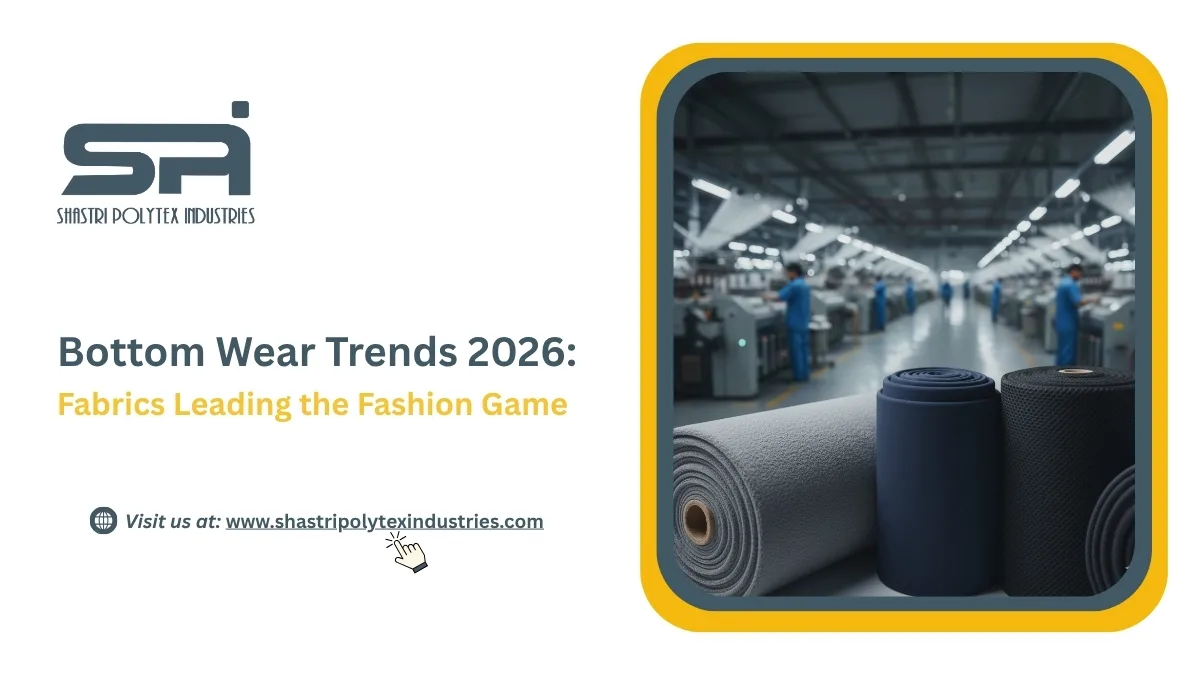
Fashion in 2026 is no longer just about silhouettes and colors—it’s about how fabrics feel, perform, and align with a more conscious lifestyle. Bottom wear, once considered a basic wardrobe element, has become a focal point of innovation. From tailored trousers to relaxed cargos and statement skirts, the fabrics used are redefining comfort, sustainability, and style.
1. Sustainable Fabrics Take Center Stage
Sustainability is no longer a niche—it’s the standard. In 2026, eco-friendly fabrics dominate bottom wear collections. Organic cotton, hemp blends, and recycled polyester are widely used, offering durability without compromising on environmental responsibility. Tencel and bamboo fabrics are especially popular for their softness, breathability, and low environmental impact. Consumers are actively seeking pieces that look good and do good, making sustainability a driving force in fabric choices.
2. Tech-Infused Textiles for Everyday Comfort
Innovation in textile technology has transformed how we experience clothing. Bottom wear now incorporates fabrics with moisture-wicking, temperature-regulating, and stretch-enhancing properties. Smart blends used in joggers, leggings, and even formal trousers allow for flexibility and all-day comfort. These fabrics adapt to movement, making them ideal for hybrid lifestyles where work, travel, and leisure blend seamlessly.
3. Lightweight Denims and Reinvented Classics
Denim remains timeless, but in 2026 it’s lighter, softer, and more versatile. Advanced weaving techniques have introduced breathable denim that feels less rigid while maintaining its classic appeal. Blended with elastane or sustainable fibers, modern denim bottoms offer both structure and comfort. Wide-leg jeans, denim skirts, and relaxed fits dominate, proving that classic fabrics can evolve with changing trends.
4. Linen and Linen Blends for Effortless Style
Linen continues to be a summer favorite, but in 2026, it’s making a year-round appearance thanks to innovative blends. Mixed with cotton or viscose, linen fabrics now resist wrinkles better while retaining their signature airy feel. Linen trousers, culottes, and skirts are popular for their relaxed yet polished aesthetic, making them perfect for both casual and semi-formal settings.
5. Elevated Knit Fabrics
Knitwear is no longer limited to tops. Bottom wear crafted from structured knits is trending, offering a balance between comfort and sophistication. Ribbed knit pants, skirts, and co-ord sets provide stretch while maintaining a tailored look. These fabrics contour the body without feeling restrictive, making them a go-to for modern wardrobes.
6. Sheer Layers and Textured Fabrics
Fashion in 2026 embraces dimension and layering. Sheer fabrics, overlays, and textured materials like jacquard and crinkled cotton are being used creatively in skirts and wide-leg pants. These fabrics add visual interest and movement, transforming simple silhouettes into statement pieces.
7. Performance Meets Luxury
Athleisure continues to influence bottom wear, but with a refined twist. Performance fabrics now come with a luxe finish—think satin-touch joggers or tailored pants made from stretch performance blends. This fusion allows wearers to transition effortlessly from casual outings to more formal settings without changing outfits.
Conclusion
Bottom wear trends in 2026 highlight a shift toward fabrics that prioritize comfort, sustainability, and versatility. The modern consumer values pieces that can adapt to multiple occasions while aligning with ethical choices. As innovation continues to shape the textile industry, lower fabric manufacturers are also playing a key role by developing advanced, eco-conscious materials that meet evolving fashion demands, ensuring fabrics remain at the forefront of style innovation.
Whether it’s eco-friendly materials, tech-enhanced textiles, or reinvented classics, one thing is clear—fabric is the true game-changer in bottom wear this year, driven in part by the continuous efforts of forward-thinking lower fabric manufacturers.