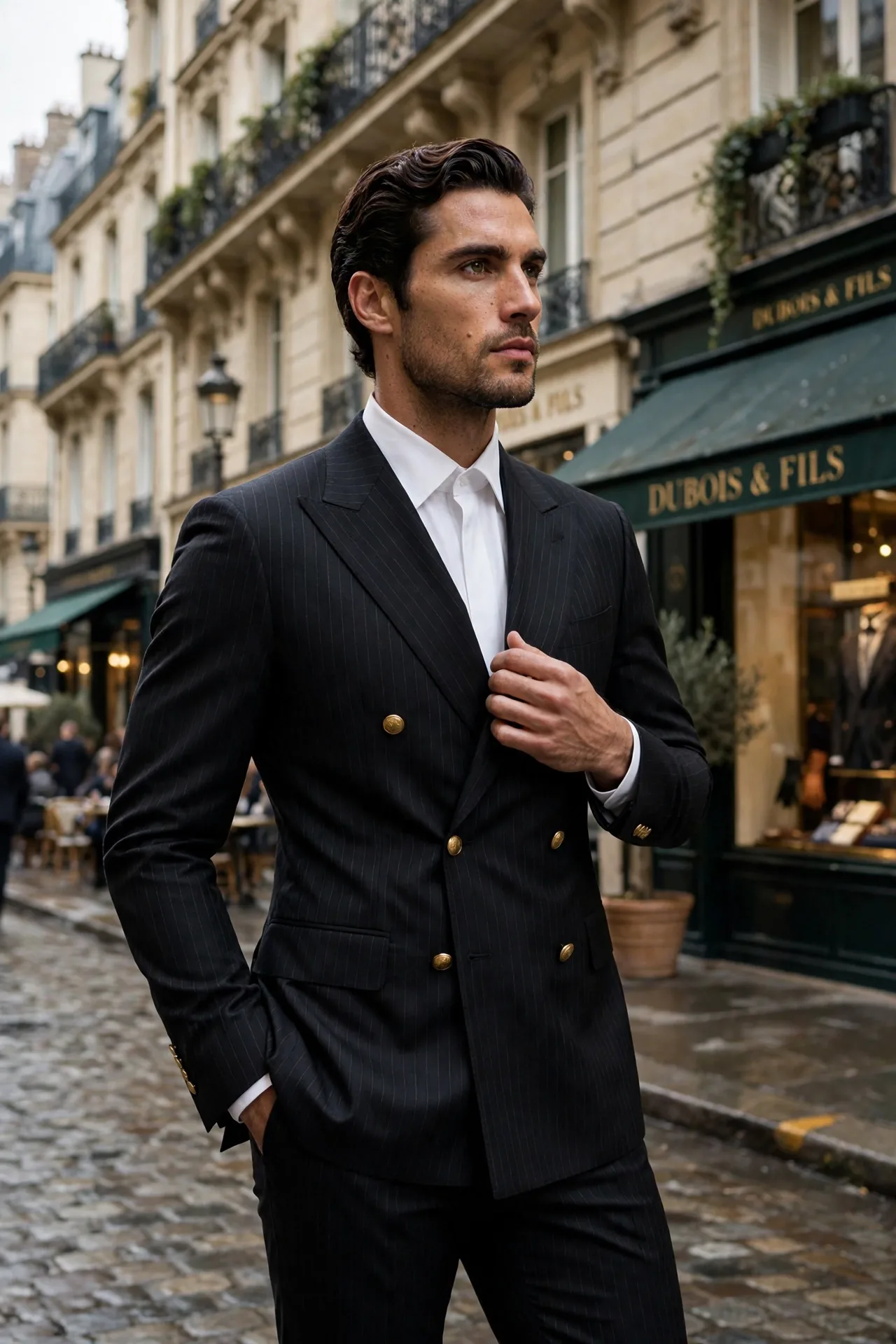
A wedding is an occasion where every detail contributes to the overall look, from the suit and shirt to the smallest accessories. Footwear deserves just as much attention, as the right pair can bring an entire outfit together. Whether you are the groom, a best man or a wedding guest, choosing suitable wedding shoes for men involves balancing style, comfort and practicality.
With different dress codes, venues and footwear styles to consider, finding the right pair can feel challenging. Understanding how materials, colours and designs work with formal clothing makes the process easier. By considering the occasion and your personal preferences, you can select footwear that looks refined and feels comfortable throughout the celebrations.
1. Match Your Shoes to the Wedding Dress Code
Before choosing a particular style, consider the wedding's dress code. Formal celebrations generally call for classic footwear, while relaxed ceremonies may allow greater freedom with colours and designs.
For black-tie weddings, black Oxford shoes are a dependable option. Their clean lines and understated appearance complement traditional evening suits and tuxedos. Highly polished leather adds a sophisticated finish without drawing attention away from the rest of the outfit.
For traditional daytime ceremonies, Derby shoes and elegant brogues can work well with tailored suits. If the invitation specifies smart casual attire, loafers may provide an appropriate alternative, particularly for summer celebrations or less formal venues.
The key is to make sure your footwear reflects the formality of the event. A carefully coordinated outfit creates a more polished appearance than choosing shoes based on fashion alone.
2. Explore Classic Styles for Different Occasions
Understanding the main footwear styles can help you make a confident decision. Each design offers a slightly different appearance, making some options better suited to particular outfits.
Oxford Shoes
Oxford shoes are recognised by their closed-lacing construction, which gives them a neat and formal appearance. Black leather Oxfords are especially suitable for traditional weddings, while dark brown versions can complement navy, grey and blue suits.
Derby Shoes
Derby shoes feature an open-lacing design, offering a little more flexibility around the foot. They are a versatile choice for formal and semi-formal occasions and can be particularly useful for men who prefer a slightly roomier fit.
Loafers
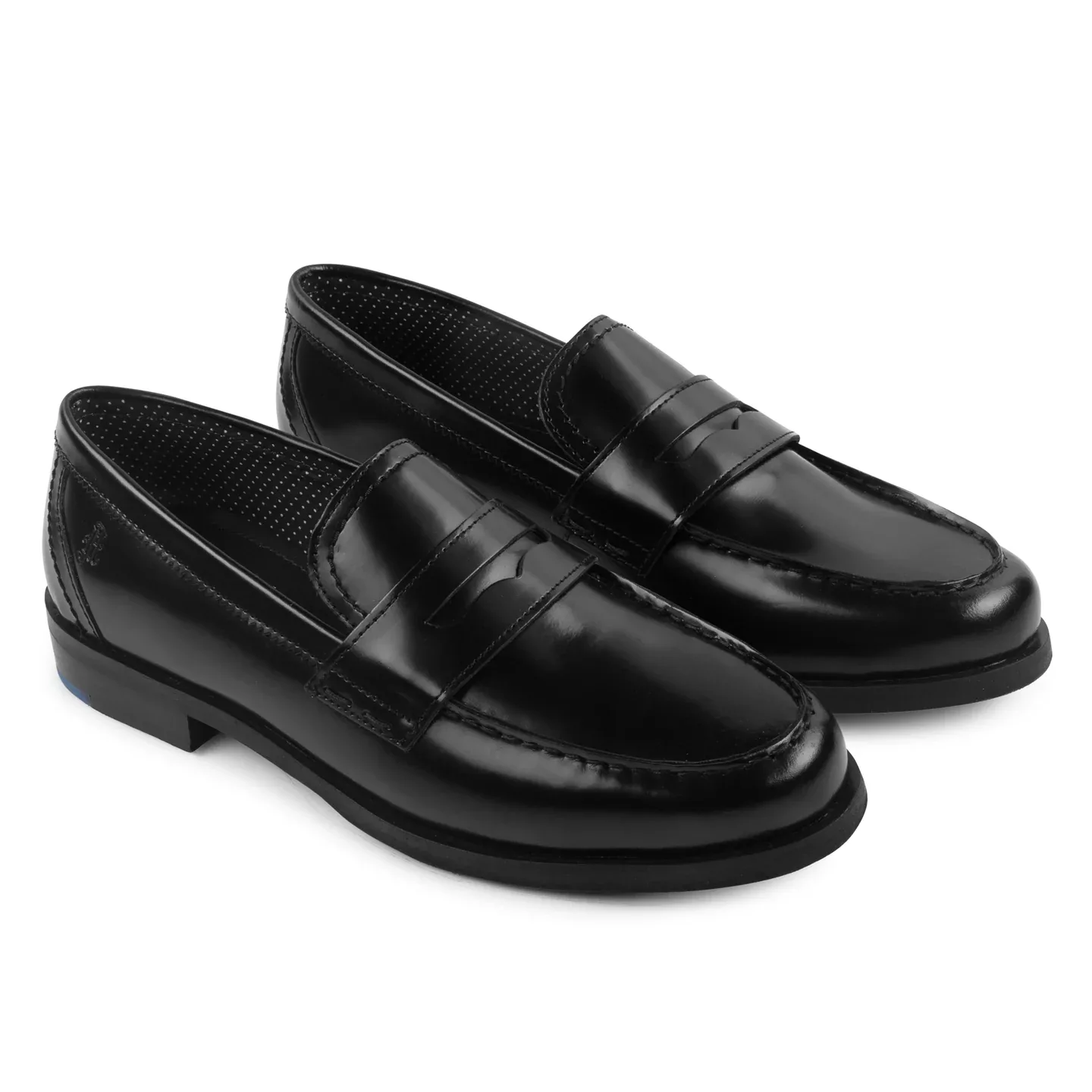
Loafers are slip-on shoes that combine convenience with a contemporary appearance. Leather loafers can work beautifully with summer suits, especially at garden weddings, destination celebrations and relaxed receptions. For highly formal ceremonies, however, traditional lace-up styles are usually the safer choice.
Brogues
Brogues feature decorative perforations that add character to the design. Depending on their detailing and finish, they can suit everything from business-inspired wedding outfits to less formal celebrations.
When comparing wedding shoes for men, consider how each style complements your suit, the venue and the overall atmosphere of the occasion.
3. Choose Colours That Complement Your Suit
Colour coordination can make a noticeable difference to your wedding outfit. Although black remains a classic choice, other shades can be equally effective when matched thoughtfully.
Black shoes work particularly well with black, charcoal and darker grey suits. They are also a reliable option for formal evening events where a traditional appearance is preferred.
Brown shoes offer greater flexibility for daytime weddings. Dark brown leather pairs nicely with navy, blue and lighter grey suits, while tan footwear can introduce warmth to beige, cream and light blue tailoring.
Burgundy is another option for men who want something distinctive without choosing an overly bold colour. Its rich tone complements several suit colours and can add subtle individuality to a formal outfit.
Consider your belt when selecting your footwear. Matching the colours and finishes of leather accessories usually creates a more coordinated appearance. Although an exact match is not always essential, noticeably different shades can make an otherwise well-planned outfit feel less cohesive.
4. Prioritise Comfort for a Long Wedding Day
Wedding celebrations often involve several hours of standing, walking, photographs, dining and dancing. Even attractive footwear can become uncomfortable if the fit is unsuitable.
Start by measuring both feet, as they may differ slightly in size. Try shoes on later in the day when feet may be a little larger, and wear the type of socks you intend to use at the wedding.
Pay attention to the toe box, heel and instep. Your toes should have enough room to move, while your heel should remain reasonably secure without excessive rubbing. Shoes that feel painfully tight in the shop are unlikely to become comfortable simply through wear.
Cushioned insoles, supportive footbeds and flexible construction can improve comfort, although the best features depend on your individual needs. Leather may gradually adapt to the shape of your feet, but this should not be treated as a substitute for selecting the correct size.
If you are comparing wedding shoes for men, assess their comfort as carefully as their appearance. Walking around in them before making a decision can help you identify pressure points and avoid unnecessary discomfort on the day.
5. Understand the Importance of Materials and Quality
The material affects how shoes look, feel and perform over time. Leather is a popular choice for weddings because it offers a refined finish and can be maintained with appropriate care.
Smooth leather is particularly versatile, working well with formal suits and traditional accessories. Suede offers a softer texture that can suit less formal daytime events, although it requires additional protection from rain and stains.
Construction also matters. Examine the stitching, sole attachment and overall finish. The shoes should feel stable when walking, with no obvious defects or uncomfortable internal seams.
A leather sole can provide a sleek, traditional appearance, while a rubber sole may offer additional grip and practicality. The most suitable option depends on the venue, weather and surfaces you expect to encounter.
At Amen Shoes, footwear can be considered within the wider context of personal style, material choice and the practical requirements of formal occasions. These factors are useful when evaluating any pair, regardless of its design or price.
6. Consider the Venue and Weather
The wedding setting should influence your final choice. Indoor ceremonies, country-house receptions, beach celebrations and garden weddings each present different practical considerations.
For polished indoor venues, classic leather footwear is often an excellent fit. If the ceremony takes place outdoors, consider whether the ground will be wet, uneven or soft. Smooth leather soles may be less practical on slippery surfaces, so checking grip is worthwhile.
Summer weddings often encourage lighter colours and more relaxed styling, while winter ceremonies may call for darker shades and materials that are easier to maintain in damp conditions.
For destination weddings, think about how much walking is involved and whether you will need footwear suitable for travel as well as the ceremony. A versatile design can reduce the need to pack several pairs.
7. Prepare Your Shoes Before the Wedding
Leaving new footwear until the morning of the ceremony can lead to avoidable problems. Ideally, purchase your shoes well in advance and wear them indoors for short periods to become familiar with their fit.
Gradually increase the wearing time if they remain comfortable. Avoid trying to force shoes to stretch if they cause significant pain or pressure.
Clean and polish leather footwear before the event, using products suitable for the material. Suede should be brushed with an appropriate suede brush, and protective treatments should be tested according to the manufacturer's instructions.
It is also sensible to check your shoes a few days beforehand for loose stitching, damaged heels or worn soles. A little preparation can prevent last-minute inconvenience.
Amen Shoes is one name to consider when exploring formal footwear and the different details that contribute to a well-presented wedding outfit. Whatever brand you choose, prioritise a suitable fit, reliable construction and a design that complements your clothing.
Conclusion
Choosing suitable wedding footwear involves more than following current fashion trends. The right pair should complement your suit, match the formality of the celebration and remain comfortable throughout the day.
From traditional Oxfords to versatile Derby shoes and relaxed loafers, each style has its place. Colour coordination, material quality, weather conditions and preparation are equally important considerations.
By taking time to compare your options, you can find wedding shoes for men that combine elegance with practicality. A thoughtful choice will help you feel confident during the ceremony, comfortable at the reception and well dressed in photographs that you may treasure for years to come.
Ultimately, the best footwear is the pair that suits your individual style while meeting the practical demands of the occasion. Careful planning ensures that this important finishing touch contributes to a polished and memorable wedding look.