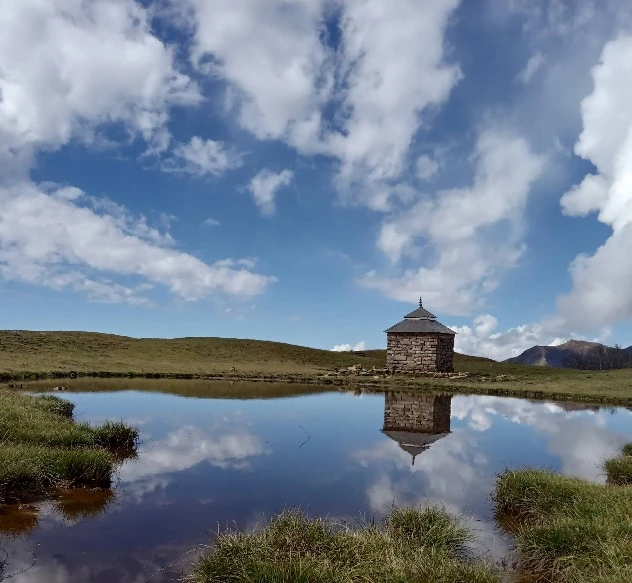
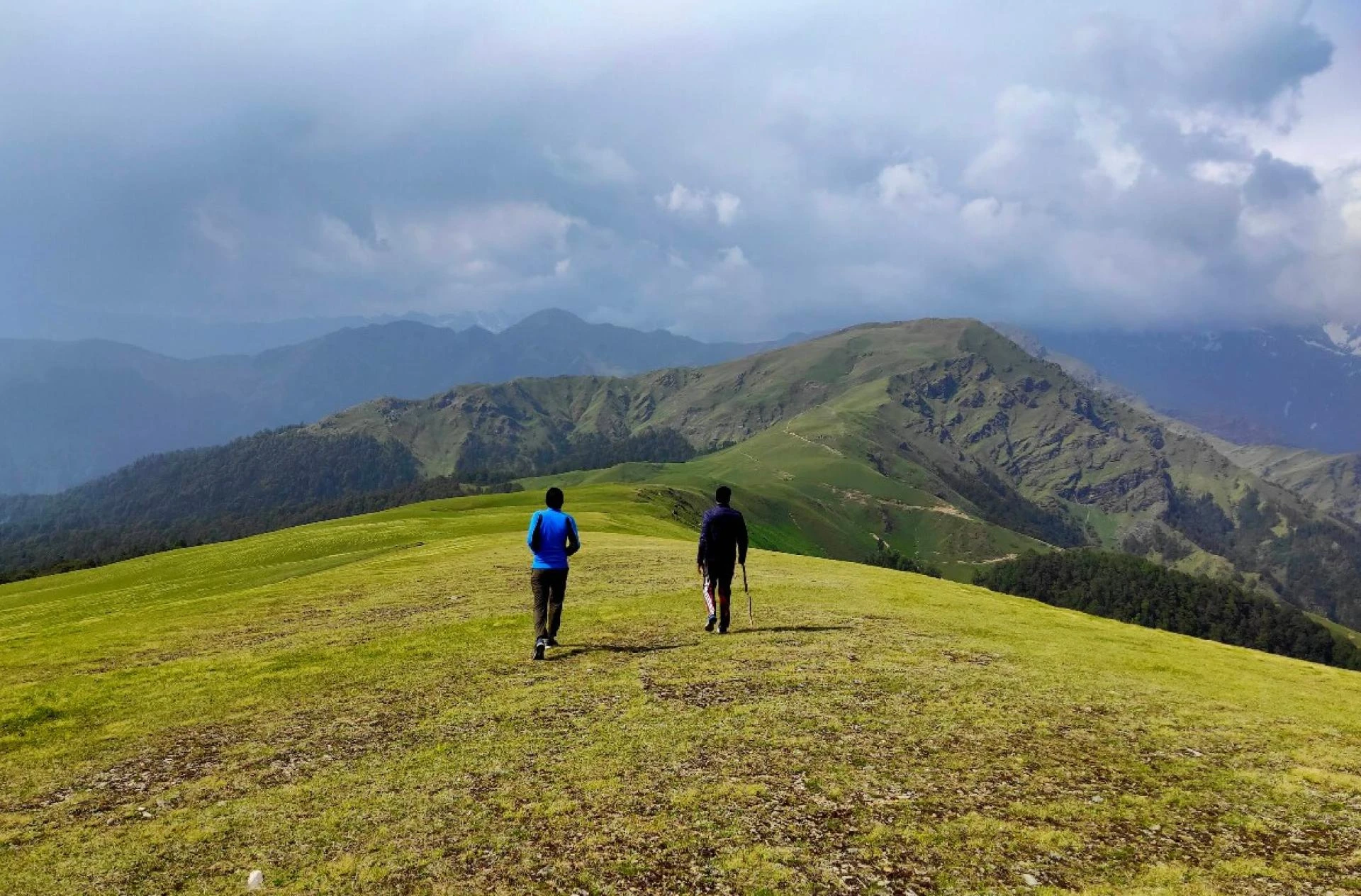
If you are planning the stunning journey to Ali Bedni Bugyal, timing can make or break your experience. This trek is not just about reaching a destination. It is about walking through changing landscapes that look completely different in every season.
From blooming meadows to snow-covered trails, every month tells a new story. So the real question is not whether you should go, but when you should go.
Let’s break it down in a practical, no-nonsense way so you can choose the perfect time based on what you actually want.
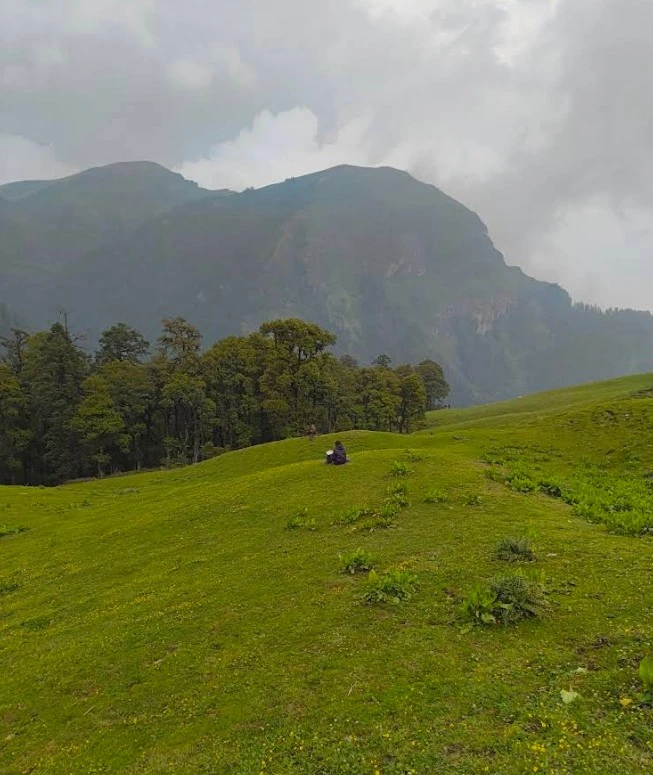
Understanding the Seasonal Beauty of Ali Bedni Bugyal
Ali and Bedni Bugyal are among the largest high-altitude meadows in India. Located in Uttarakhand, these twin bugyals sit at around 11,000-12,000 feet.
Because of this altitude, weather plays a huge role here. The same trail can feel like a lush green paradise in summer and a frozen white desert in winter.
That is why picking the right season is not just helpful. It is essential.
Spring Season (April to June): Fresh, Green, and Perfect for First-Timers
Spring is one of the best time to visit Ali Bedni Bugyal, especially if you love greenery and mild weather.
What You Get
- Fresh green meadows after snow melts
- Clear views of peaks like Trishul and Nanda Ghunti
- Comfortable daytime temperatures
- Rhododendron blooms in nearby forests
The snow begins to melt in April, and by May, the bugyals turn into lush carpets. The trail feels alive, and every step looks like a postcard.
Why Choose Spring
If you are a beginner, this season works best. The trails remain easy to moderate, and you do not have to deal with extreme cold or heavy snow.
Also, let’s be honest. Walking through green meadows feels a lot less dramatic than slipping on ice.
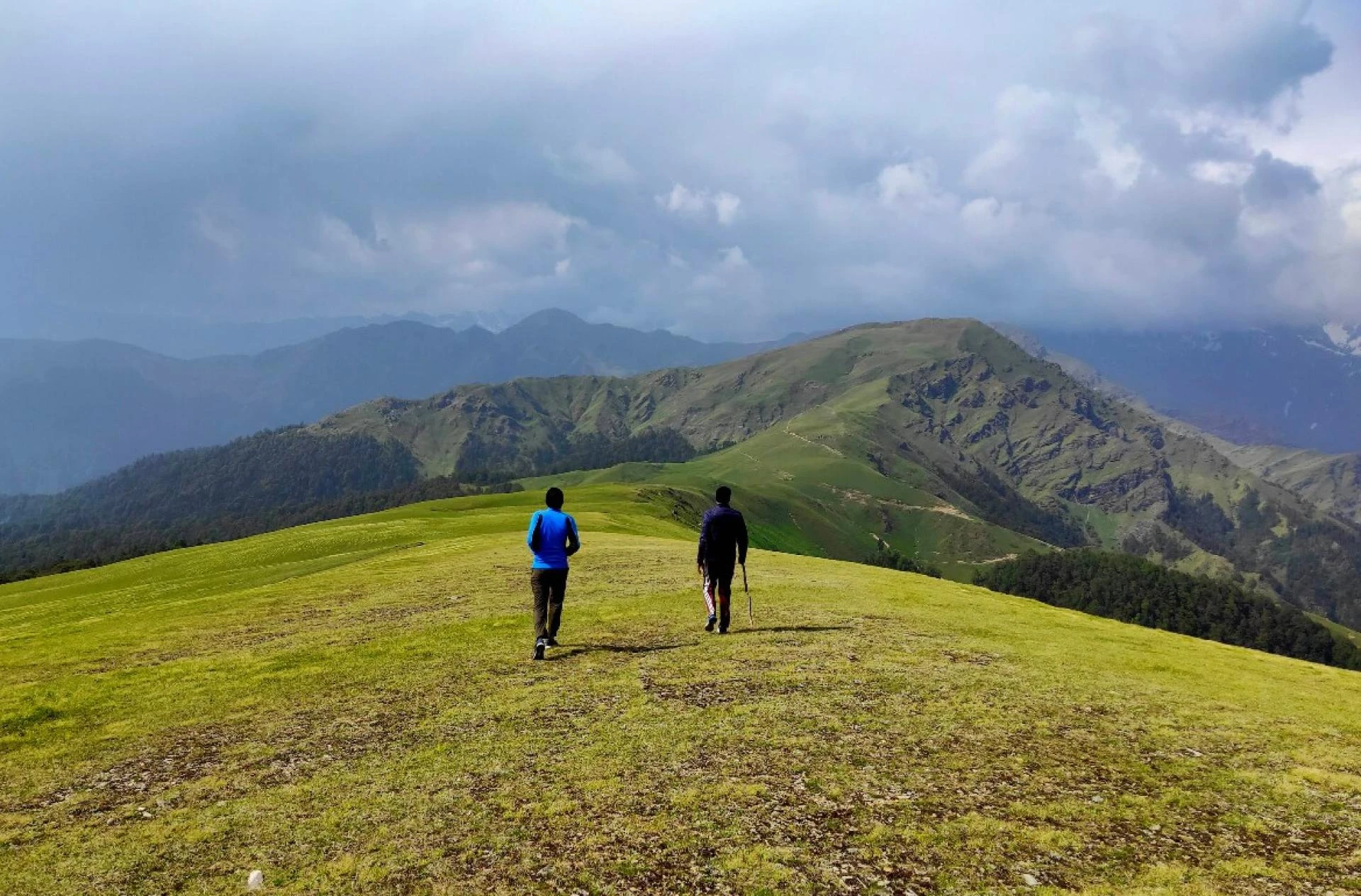
Summer Season (May to Early July): Peak Beauty with Stable Weather
This is often considered the ideal trekking window.
What You Get
- Fully open trails
- Bright green bugyals at their peak
- Pleasant temperatures (10°C to 20°C)
- Long daylight hours
During this time, the meadows reach their full glory. The grass looks vibrant, and the wide-open landscapes make you feel like you are walking on a natural golf course created by the Himalayas.
Why Choose Summer
If you want the “classic Ali Bedni Bugyal experience,” this is it.
Photographers, nature lovers, and first-time trekkers usually prefer this window because everything looks balanced. No extreme conditions. No surprises.
Monsoon Season (Mid July to September): Risky but Beautiful
Monsoon transforms the region into a misty, dramatic landscape. But it comes with trade-offs.
What You Get
- Deep green meadows with wildflowers
- Fewer crowds
- Misty, dreamy views
The Real Challenges
- Slippery trails
- Landslides on approach roads
- Limited mountain views due to clouds
While the beauty increases, the risks also go up. Trekking during monsoon requires experience and proper planning.
Should You Go?
If you love solitude and do not mind unpredictable weather, you can consider it. Otherwise, it is better to skip this season.
Autumn Season (September to November): Clear Views and Golden Landscapes
Autumn is a hidden gem when it comes to trekking here.
What You Get
- Crystal clear mountain views
- Golden-brown meadows
- Stable weather conditions
- Less crowd compared to summer
Post-monsoon, the air becomes clean and visibility improves dramatically. You get uninterrupted views of Himalayan peaks, which honestly feels like upgrading your trek to HD mode.
Why Choose Autumn
If you care more about mountain views than greenery, this is your season.
Also, the trails remain dry and safe, which makes trekking easier compared to monsoon.
Winter Season (December to March): Snow Trekking Adventure
Winter changes everything.
What You Get
- Snow-covered bugyals
- Frozen landscapes
- A completely different trekking experience
The Challenges
- Extreme cold (can drop below -10°C)
- Heavy snow makes trails tougher
- Requires proper gear and experience
This is not your casual weekend trek. Winter here demands preparation, stamina, and the right equipment.
Why Choose Winter
If you want adventure and love snow trekking, winter is unbeatable.
Walking on snow-covered meadows feels surreal. It is the same trail, but it feels like a different world.
Month by Month Quick Breakdown
Here is a simple way to understand the best time:
- April - Snow starts melting, mixed terrain
- May to June - Best for greenery and beginners
- July to August - Monsoon, risky but lush
- September to October - Best for clear views
- November - Cold starts increasing
- December to March - Snow trekking season
Best Time Based on Your Travel Style
For Beginners
Go between May and June. You get safe trails and great weather.
For Photography
Choose September to October. Clear skies and sharp mountain views.
For Snow Lovers
Visit between December and February. Expect a full winter experience.
For Peace and Less Crowd
Late September works best. You avoid peak rush and still enjoy good weather.
How Ali Bedni Bugyal Compares to Nearby Treks
Many trekkers combine this trail with the famous Roopkund Trek.
While Roopkund adds a mysterious high-altitude lake to the journey, Ali Bedni Bugyal stands out for its vast meadows. In fact, many trekkers say the bugyals feel more rewarding than the destination itself.
That tells you how special this place really is.
Weather Tips You Should Not Ignore
- Always carry layers, even in summer
- Weather changes quickly at high altitude
- Start your trek early in the day
- Check local forecasts before planning
The Himalayas do not follow strict rules. Respect that, and your trek will stay smooth.
Final Verdict: So, When Should You Go?
If we keep it simple:
- Best overall time: May to June
- Best for views: September to October
- Best for snow: December to February
Each season offers something unique. There is no single “perfect” time. It all depends on what kind of experience you want.
Conclusion
The beauty of Ali Bedni Bugyal lies in its changing moods. One season gives you lush greenery, another offers golden silence, and winter turns it into a frozen dream.
So instead of asking “when is the best time,” ask yourself a better question:
What kind of trek do you want to experience?
Because here, every season feels like a different story waiting to be explored.