
Introduction
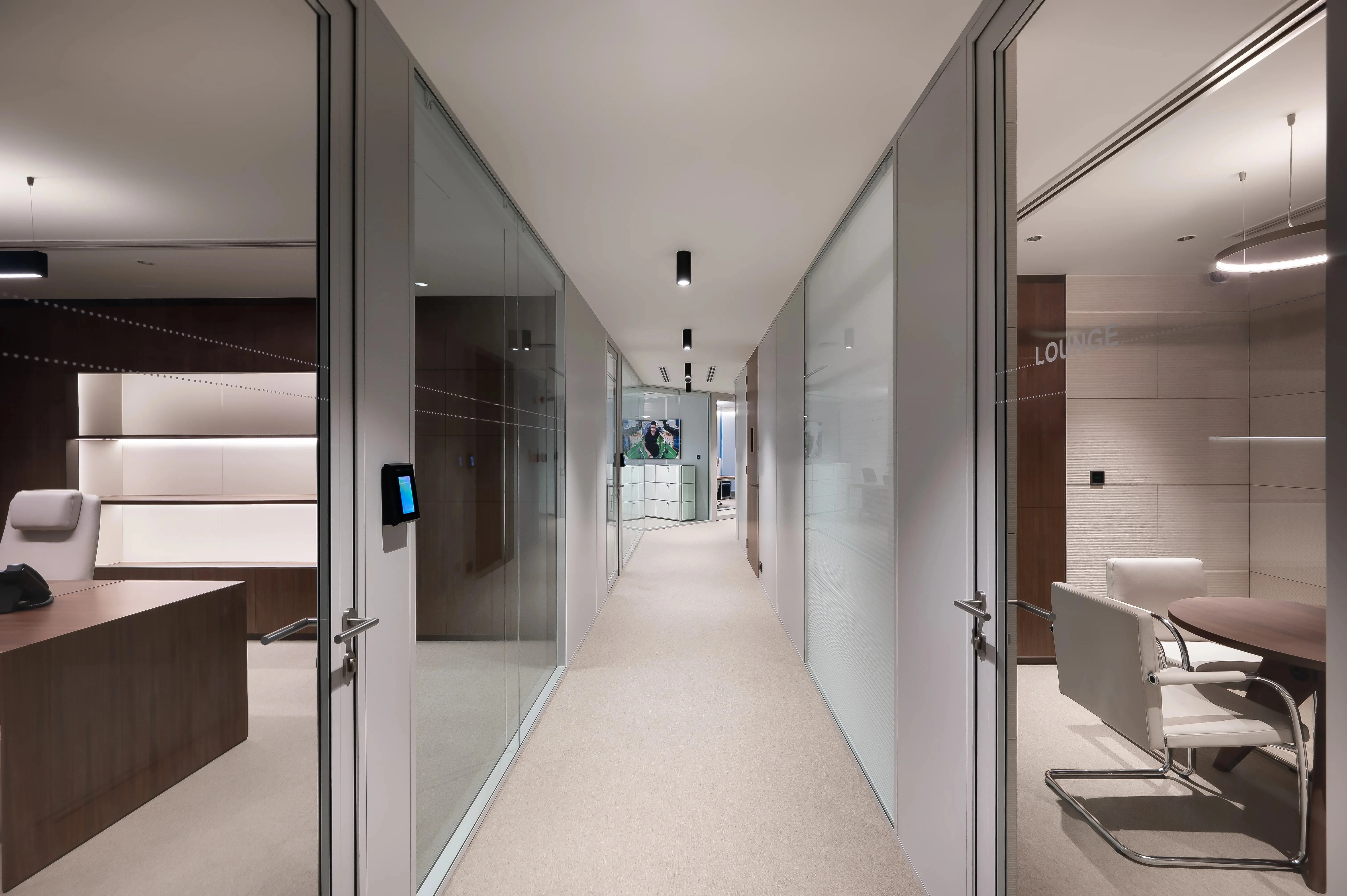
The design of a commercial building plays a significant role in shaping customer experiences, employee productivity, and brand identity. Whether it’s an office, retail store, hospitality venue, healthcare facility, or mixed-use commercial property, partnering with the best interior architects for commercial building projects ensures a perfect balance between aesthetics, functionality, and efficiency.
Professional interior architects bring expertise in space planning, building regulations, material selection, and innovative design solutions that transform ordinary commercial spaces into exceptional environments. In today’s competitive business landscape, investing in high-quality commercial interior architecture is no longer a luxury—it is a strategic business decision.
What Does an Interior Architect Do for Commercial Buildings?
Interior architects focus on the structural and functional aspects of interior spaces while integrating design elements that support business goals. Unlike interior decorators who primarily focus on furnishings and aesthetics, interior architects work closely with architects, engineers, and contractors to optimize the building’s interior layout.
Their responsibilities typically include:
- Space planning and optimization
- Building code compliance
- Interior structural modifications
- Lighting and acoustics planning
- Material and finish selection
- Workplace and customer experience design
- Sustainable design implementation
- Project coordination and management
Why Hire the Best Interior Architects for Commercial Building Projects?
Improved Space Efficiency
Commercial properties often require maximum utilization of available space. Skilled interior architects analyze workflow patterns, customer movement, and operational requirements to create layouts that improve functionality and efficiency.
Enhanced Brand Identity
The interior design of a commercial building reflects a company’s values and brand image. Interior architects create cohesive environments that strengthen brand recognition and leave lasting impressions on clients and visitors.
Increased Employee Productivity
Research consistently shows that well-designed workspaces positively impact employee satisfaction, collaboration, and productivity. Factors such as natural lighting, ergonomic layouts, and comfortable environments contribute significantly to workplace performance.
Regulatory Compliance
Commercial buildings must comply with numerous safety, accessibility, and construction regulations. Experienced interior architects ensure all designs meet local building codes and industry standards.
Long-Term Cost Savings
Efficient planning reduces costly design errors, construction delays, and future renovation expenses. Sustainable design strategies can also lower operational costs through energy efficiency.
Key Qualities of the Best Interior Architects for Commercial Building Design
Industry Experience
Look for firms with extensive experience in commercial projects similar to your building type. Specialized knowledge often leads to more effective design solutions.
Strong Portfolio
A diverse portfolio demonstrates the ability to handle different industries, design styles, and project complexities.
Technical Expertise
The best commercial interior architects possess deep knowledge of construction systems, building technologies, and regulatory requirements.
Sustainability Focus
Modern businesses increasingly prioritize environmentally responsible designs. Top interior architects incorporate sustainable materials, energy-efficient systems, and green building practices.
Collaborative Approach
Successful commercial projects require seamless collaboration among stakeholders. Strong communication and project management skills are essential.
Commercial Building Types That Benefit from Interior Architecture Services
Corporate Offices
Modern office environments prioritize flexibility, collaboration, and employee wellness. Interior architects create dynamic workspaces that support evolving business needs.
Retail Stores
Retail spaces must attract customers while optimizing product displays and traffic flow. Strategic interior architecture enhances the shopping experience and boosts sales.
Hospitality Facilities
Hotels, restaurants, and entertainment venues rely heavily on interior design to create memorable guest experiences and reinforce brand identity.
Healthcare Centers
Healthcare environments require specialized planning to support patient comfort, staff efficiency, and regulatory compliance.
Educational Institutions
Schools, universities, and training centers benefit from thoughtfully designed spaces that encourage learning, interaction, and innovation.
Latest Trends in Commercial Interior Architecture
Flexible Workspace Design
Hybrid work models have increased demand for adaptable office layouts that accommodate collaboration, focus work, and remote connectivity.
Biophilic Design
Incorporating natural elements such as plants, natural lighting, and organic materials creates healthier and more engaging commercial environments.
Smart Building Integration
Advanced technologies including automated lighting, climate control, and occupancy monitoring improve efficiency and user experience.
Wellness-Focused Interiors
Businesses are increasingly investing in designs that support physical and mental well-being through ergonomic furniture, air quality improvements, and relaxation zones.
Sustainable Materials
Eco-friendly materials and energy-efficient systems are becoming standard features in modern commercial building projects.
How to Choose the Best Interior Architects for Commercial Building Projects
When selecting an interior architecture firm, consider the following factors:
- Review previous commercial projects.
- Check client testimonials and case studies.
- Evaluate industry expertise.
- Discuss project timelines and budgets.
- Assess communication and collaboration processes.
- Verify licensing and certifications.
- Understand their sustainability approach.
- Request detailed project proposals.
Choosing the right partner can significantly impact the success of your commercial building project.
Benefits of Investing in Professional Commercial Interior Architecture
- Stronger brand presence
- Better employee engagement
- Improved customer experiences
- Higher property value
- Increased operational efficiency
- Enhanced sustainability performance
- Reduced maintenance costs
- Future-ready commercial spaces
Conclusion
Finding the best interior architects for commercial building projects is essential for creating spaces that support business growth, employee well-being, and customer satisfaction. From strategic space planning to sustainable design implementation, experienced interior architects bring valuable expertise that transforms commercial properties into functional and visually impressive environments.
As businesses continue to evolve, investing in professional commercial interior architecture remains one of the most effective ways to enhance productivity, strengthen brand identity, and maximize long-term returns. Whether you are developing a new commercial property or renovating an existing space, partnering with expert interior architects can help turn your vision into reality.