
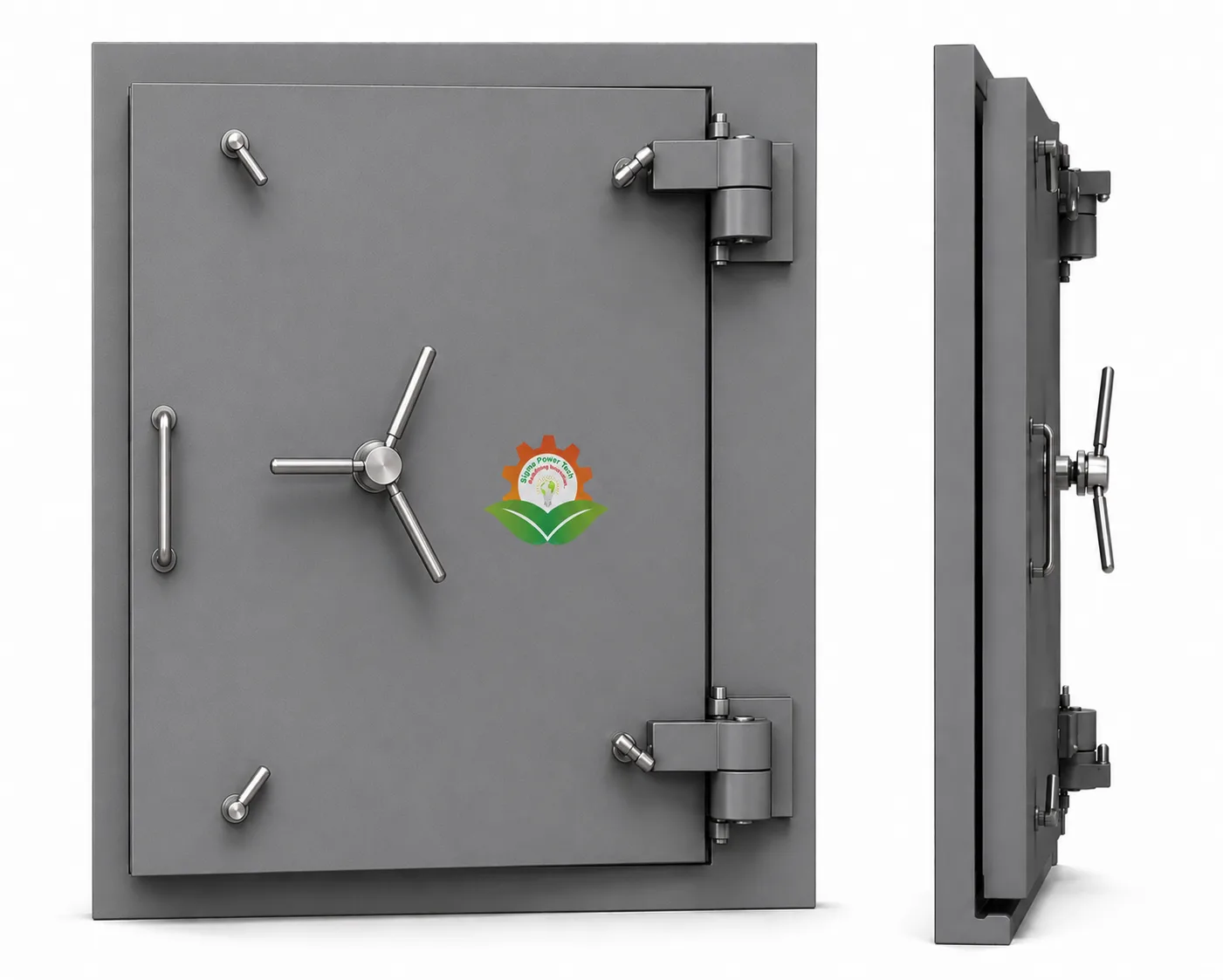
A government defence facility recently planned the construction of a new secure operations centre where every structural component had to meet strict blast protection requirements. During the procurement process, engineers quickly realized that choosing a blast proof door involved much more than comparing quotations. The manufacturer needed proven engineering expertise, certified testing capabilities, and experience delivering complete blast-resistant systems. In critical infrastructure projects, selecting the right manufacturer is often as important as selecting the right blast rating.
A blast proof door plays a vital role in protecting personnel, equipment, and buildings against explosive pressure waves. As India continues investing in defence infrastructure, petrochemical facilities, power plants, embassies, and data centres, demand for high-performance blast-resistant systems has increased significantly. Choosing an experienced manufacturer ensures the door is engineered, tested, installed, and maintained according to project-specific safety requirements rather than standard industrial specifications.
What Makes the Best Blast Proof Door Manufacturers in India?
The best Blast proof door manufacturers in India are distinguished by their engineering capability rather than simply their fabrication capacity.
A reliable manufacturer develops complete structural protection systems that include blast analysis, customized engineering, precision manufacturing, certified installation, and long-term technical support. Every project is designed according to the facility's expected blast loads, structural configuration, and operational requirements.
Manufacturers serving defence, government, energy, and industrial sectors should also demonstrate compliance with recognized engineering practices and quality management systems.
What Is a Blast Proof Door and How Is It Engineered?
A blast proof door is a specialized structural assembly designed to withstand explosive pressure while maintaining the integrity of protected spaces.
Unlike conventional industrial steel doors, Blast resistant doors incorporate:
- Reinforced steel construction
- Internal structural stiffeners
- Heavy-duty hinges
- Multi-point locking systems
- Blast-rated frames
- Engineered anchoring systems
- Energy-distributing reinforcement
Every component of the Blast door design is developed to resist specified blast loads while transferring forces safely into the surrounding building structure.
Engineering Expertise Matters More Than Product Size
The strongest blast door is not necessarily the thickest or heaviest.
Experienced manufacturers evaluate:
- Blast overpressure
- Impulse duration
- Structural wall capacity
- Door dimensions
- Reinforcement requirements
- Hardware performance
- Installation conditions
- Operational needs
Proper engineering produces predictable performance under actual blast conditions rather than relying solely on increased material thickness.
Blast Pressure Ratings and Certification
One of the most important indicators of a qualified manufacturer is its ability to engineer doors for defined blast pressure ratings.
Professionally designed Blast resistant door systems typically undergo:
- Structural engineering analysis
- Finite element modelling
- Material verification
- Quality-controlled fabrication
- Dynamic performance evaluation
- Functional inspection
- Certification documentation
Manufacturers should provide clear engineering data and project-specific performance information rather than generic product claims.
Structural Performance Under Explosive Pressure Waves
External explosions generate powerful pressure waves capable of damaging conventional building components.
A professionally engineered blast proof door should:
- Resist structural failure
- Limit permanent deformation
- Prevent dangerous fragmentation
- Protect occupants
- Maintain controlled access after blast exposure
Achieving this level of performance requires close coordination between door engineering and building structural design.
Frame Anchoring and Wall Integration
The frame is an essential part of every blast-resistant system.
Qualified manufacturers engineer:
- Reinforced steel frames
- Embedded anchor assemblies
- Reinforced concrete interfaces
- Structural load transfer
- Installation procedures
- Quality inspections
Without proper wall integration, even a certified blast door cannot achieve its intended level of protection.
Fire Resistance and Multi-Hazard Protection
Many critical facilities require protection against multiple threats simultaneously.
Modern blast-resistant systems may incorporate:
- Fire resistance
- Smoke containment
- Airtight sealing
- Corrosion resistance
- Forced-entry protection
- Weather-resistant construction
These additional capabilities improve overall facility resilience and reduce lifecycle risk.
Automation and Access Control Integration
Today's secure infrastructure combines structural protection with intelligent access management.
Blast proof doors can integrate with:
- Electronic access control
- Biometric authentication
- Remote monitoring
- Security alarms
- Building management systems
- Emergency release mechanisms
Proper integration enhances both security and operational efficiency.
Maintenance Requirements
Long-term performance depends on regular inspection and preventive maintenance.
Routine servicing includes:
- Hinge inspection
- Lock testing
- Seal replacement
- Corrosion assessment
- Frame alignment
- Automation testing
- Hardware tightening
- Operational verification
Manufacturers offering comprehensive maintenance support provide greater long-term value.
Key Features of High-Quality Blast Proof Doors
The best engineered systems typically include:
- High structural strength
- Certified blast pressure rating
- Corrosion-resistant materials
- Fire-resistant construction
- Airtight sealing
- Security-grade locking systems
- Heavy-duty durability
- Low maintenance requirements
- Certification compliance
These features ensure reliable performance throughout the product's service life.
Applications
Blast proof doors are widely installed in:
- Defence and military installations
- Government and administrative buildings
- Embassies and consulates
- Oil & gas and petrochemical plants
- Power generation facilities
- Data centres
- Ammunition depots
- Industrial process units handling hazardous materials
Each application requires project-specific engineering based on identified blast hazards.
Cost and Investment Factors
The final Blast door price depends on numerous engineering variables rather than basic manufacturing costs.
Important considerations include:
- Required blast rating
- Door size and configuration
- Steel grade and plate thickness
- Frame engineering
- Anchoring requirements
- Testing and certification
- Automation systems
- Installation complexity
- Site-specific structural assessment
- Long-term maintenance planning
Evaluating lifecycle value rather than initial purchase cost leads to better investment decisions.
Buyer's Guide
Choosing the right manufacturer requires careful technical evaluation.
Look for suppliers that offer:
- Extensive industry experience
- Structural engineering expertise
- Compliance with IS/BIS and international blast standards
- Advanced customization capability
- Precision manufacturing
- Proven testing credentials
- Professional installation services
- Comprehensive technical documentation
- Responsive after-sales maintenance
- Demonstrated reliability across completed projects
A trusted Sigma Power Tech manufacturer and service provider offers complete engineering solutions from design and manufacturing to installation and lifecycle support. A properly engineered Sigma Power Tech blast door is developed according to project-specific blast assessments, ensuring compliance with operational and structural safety requirements instead of relying on standard fabricated products.
Common Mistakes to Avoid
When selecting a manufacturer, avoid these common errors:
- Choosing solely based on price
- Ignoring project-specific blast pressure assessments
- Overlooking frame and wall integration
- Underestimating fire or corrosion risks
- Failing to verify engineering certifications
- Neglecting long-term maintenance planning
- Ignoring future automation and security upgrades
The lowest quotation rarely delivers the highest level of long-term protection.
Conclusion
Selecting the right blast proof door manufacturer is one of the most important decisions in any high-security infrastructure project. Beyond supplying a reinforced steel door, the manufacturer should provide certified engineering, project-specific blast analysis, precision manufacturing, professional installation, and long-term maintenance support.
For defence installations, government facilities, embassies, oil and gas plants, power stations, and other critical infrastructure, working with experienced Blast proof door manufacturers in India ensures reliable blast protection, regulatory compliance, and dependable structural performance throughout the system's service life. Prioritizing engineering expertise, certified quality, and long-term reliability will always deliver greater value than focusing solely on upfront costs.