Setting the Stage: The Olympic Flame Ignites Global Passion
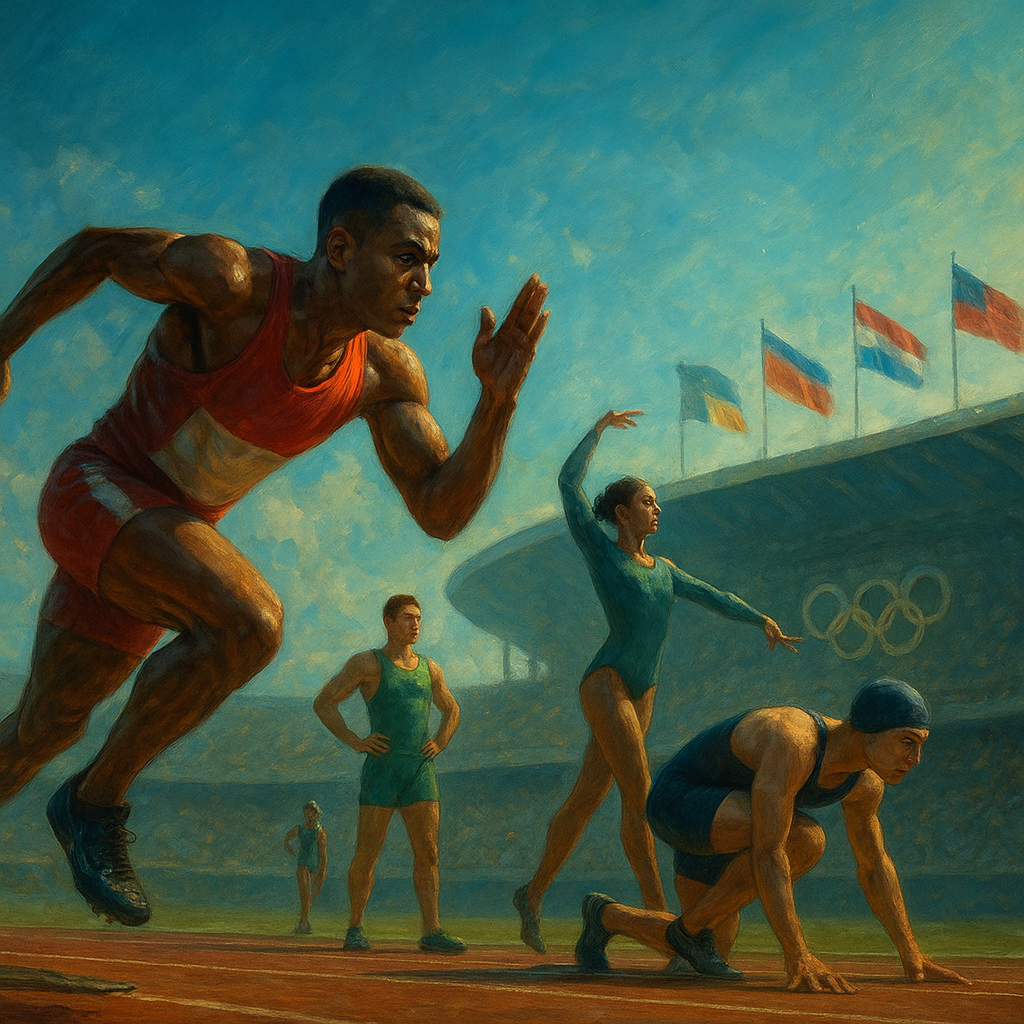
Imagine standing in a packed stadium, tens of thousands of spectators roaring as the Olympic flame dances atop a towering cauldron. This moment encapsulates the spirit of the Olympics—an event that transcends sport, uniting nations in celebration of human potential. The Olympic Games remain the world’s largest and most prestigious multi-sport event, drawing billions of viewers every four years. For newcomers, understanding the complexities and traditions that underpin the Olympics can be overwhelming. Yet, this guide unpacks the essentials, offering a structured entry point into a rich tapestry of history, culture, and athletic achievement.
In 2026, the Winter Olympics were hosted in Milan-Cortina, Italy, marking a significant milestone in sustainable event planning. The Summer Olympics are next scheduled for Los Angeles in 2028, promising technological innovations and a diverse sports lineup. These events continue to evolve, reflecting broader social and technological trends while honoring the Olympic ideals of excellence, friendship, and respect.
“The Olympics are much more than medals and records; they are a celebration of humanity’s shared aspirations and the power of sport to bridge cultures.” — TheOmniBuzz Sports Editor
The Origins and Evolution: How the Olympics Became a Global Phenomenon
The Olympic Games trace their roots back to ancient Greece, circa 776 BCE, where athletic competitions celebrated the god Zeus. These early Games featured events such as running, wrestling, and chariot racing, held every four years in Olympia. After a hiatus of over 1,500 years, the modern Olympics were revived in 1896 under the vision of Baron Pierre de Coubertin, aiming to promote peace and international camaraderie through sport.
The modern Olympics started with 14 nations and 241 athletes competing in Athens, Greece. Since then, the Games have expanded dramatically in scope and scale, now involving over 200 countries and thousands of athletes. The introduction of the Winter Olympics in 1924 broadened the spectrum of sports and global participation. Over the decades, the Olympics have weathered geopolitical tensions, boycotts, and controversies but have continually adapted, becoming a symbol of resilience.
Recent decades have seen significant reforms, including gender equality measures and the inclusion of new sports reflecting contemporary interests. For example, skateboarding and sport climbing debuted in the 2020 Tokyo Games, signaling a shift toward youth engagement and urban culture.
Understanding the Structure: From Events to Medals
The Olympics are organized by the International Olympic Committee (IOC), which oversees the selection of host cities, sports, and adherence to Olympic Charter principles. The Summer and Winter Games alternate every two years within the Olympic cycle, each featuring a distinct set of sports tailored to the season.
In 2026, the Winter Olympics featured 109 events across 15 sports disciplines, including traditional staples like alpine skiing and new additions such as big air snowboarding. The upcoming Summer Games will host over 300 events in 35 sports, including athletics, swimming, gymnastics, and newer disciplines like surfing and breaking.
Medals — gold, silver, and bronze — are awarded to the top three athletes or teams in each event. These medals symbolize not only victory but also the culmination of years of dedication and sacrifice. The medal table is closely watched by nations as a measure of sporting prowess and national pride.
- Qualification: Athletes qualify through stringent standards and international competitions, ensuring only the elite compete.
- Opening Ceremony: A grand spectacle showcasing cultural heritage and the parade of nations.
- Competition Period: Typically spans two weeks, featuring preliminary rounds and finals.
- Closing Ceremony: Marks the official end and passes the Olympic flag to the next host city.
“The Olympic structure is designed to balance tradition with innovation, ensuring a fair and inspiring competition that resonates globally.” — IOC official, interview 2025
Breaking In: How Beginners Can Engage with the Olympics
For novices eager to dive into the Olympics world, the key is understanding the pathways to participation and fandom. Whether you aspire to be an athlete, a coach, or an enthusiastic spectator, the journey begins with knowledge and access.
Prospective athletes face a rigorous path involving national trials, international qualifying events, and adherence to anti-doping regulations. It is crucial to align with a sport’s national governing body, which provides training resources and competition schedules. For a detailed roadmap on entering the Olympic journey, TheOmniBuzz has an excellent resource: Breaking In: Your Definitive Guide to Starting a Journey in the Olympics.
For fans, the Olympics offer multiple ways to engage:
- Watching live broadcasts or streaming events through official channels.
- Following athlete stories and behind-the-scenes content on social media.
- Participating in local Olympic-themed events or community viewing parties.
- Learning the rules and histories of less familiar sports to deepen appreciation.
2026 and Beyond: The Olympics in the New Era
The 2026 Winter Olympics in Milan-Cortina showcased several notable developments pointing to the future of the Games. Sustainability was a central theme, with organizers prioritizing carbon-neutral operations, renewable energy use, and repurposing existing infrastructure. This approach aligns with the IOC’s Agenda 2020+5, emphasizing environmental responsibility and legacy planning.
Technological advancements are reshaping how the Olympics are experienced and managed. AI-driven analytics optimize athlete performance and injury prevention, while advanced broadcasting technologies increase global reach and fan engagement. The integration of blockchain for secure ticketing and fan tokens has enhanced transparency and interaction.
The Olympic program itself continues to evolve, reflecting changing cultural dynamics and sport popularity. The inclusion of esports as a demonstration event in 2024 sparked debate, but it signals potential future pathways for the Games to remain relevant to younger demographics.
Looking ahead to Los Angeles 2028, organizers plan to leverage smart city technologies to streamline transportation and enhance fan experiences. The Games are also expected to spotlight inclusivity, with expanded para-sport events and gender parity goals.
Expert Insights: The Olympics’ Enduring Impact on Sport and Society
Experts agree that the Olympics serve as a powerful catalyst for positive change, extending beyond medals to influence global culture, diplomacy, and social progress. According to Dr. Maria Chen, a leading sports sociologist, "The Olympics function as a mirror reflecting societal values while also pushing boundaries toward inclusion and innovation." She notes that the Games often accelerate conversations on gender equity, environmental sustainability, and peacebuilding.
Economically, hosting the Olympics can catalyze urban development and tourism, though not without risks. Recent host cities have been urged to adopt sustainable budgeting and legacy-focused planning to avoid the pitfalls of overspending seen in past decades.
The Olympics also foster global unity by bringing together diverse cultures, as detailed in our article Six Olympics That Redefined Sport and Global Unity. Each edition offers a unique blend of competition and cultural diplomacy, underscoring sport’s role as a universal language.
“Olympics remain the ultimate stage where sport meets culture and international cooperation, shaping the world in subtle yet profound ways.” — Dr. Maria Chen, sports sociologist
What to Watch: Navigating the Future of the Olympic Movement
As the Olympics look beyond 2026, several trends warrant close attention for both enthusiasts and stakeholders:
- Digital Transformation: Enhanced fan engagement through immersive technologies and personalized content.
- Environmental Commitments: Deeper integration of green practices in hosting and athlete travel.
- Sport Innovation: Inclusion of emerging sports and redefinition of Olympic values to resonate with new generations.
- Global Participation: Efforts to support athletes from underrepresented nations through funding and training.
- Ethical Governance: Strengthening anti-doping measures and transparency in organizational decisions.
For beginners, understanding these dynamics offers a roadmap to appreciating the Olympics’ evolving nature. TheOmniBuzz’s comprehensive coverage, including Why the Olympics Remain the Ultimate Stage for Global Sports and Culture, provides ongoing insights into these shifts.
In sum, engaging with the Olympics is both an educational and inspiring journey. The Games embody human endurance, creativity, and the quest for excellence. For newcomers, embracing the history, structure, and future trajectories enriches the viewing experience and fosters a deeper connection to this unparalleled global celebration.