
The Olympic Dream: From Spectator to Competitor
Imagine the roar of the crowd, the flash of cameras, and the electrifying moment when an athlete crosses the finish line or nails a perfect routine on the world’s biggest stage. For millions, the Olympics represent the pinnacle of sporting achievement. Yet, the path from casual sports enthusiast to Olympic contender is often perceived as an insurmountable mountain. However, with the right guidance and understanding, anyone with dedication and strategy can embark on this extraordinary journey.
In 2026, the Olympics continue to evolve, fostering broader participation and offering new opportunities through emerging sports and advanced training technologies. This article demystifies the process of getting started with the Olympics, laying out essential steps, insights, and expert advice to help aspiring Olympians and enthusiasts alike.
“Becoming an Olympian is less about sudden talent and more about a lifetime of commitment combined with strategic guidance.” – Dr. Emily Chen, Sports Psychologist
Tracing the Road to the Olympics: Context and Evolution
The Olympic Games have their origins in ancient Greece, rekindled in the modern era in 1896. Over the last century, the Games have grown exponentially, both in scope and inclusivity. The addition of new sports, gender equality strides, and the integration of technological advancements have all reshaped how athletes prepare and qualify.
Understanding how the Olympic movement has transformed is crucial to grasp the opportunities and challenges faced by modern athletes. Notably, the International Olympic Committee (IOC) has streamlined qualification processes and embraced new disciplines, reflecting changing global sports trends.
For instance, the 2024 Paris Olympics marked the debut of breaking (breakdancing) and expanded esports as a demonstration sport. These developments underscore the IOC’s openness to younger demographics and novel athletic expressions.
Moreover, national Olympic committees (NOCs) now emphasize talent identification programs from an early age, aligning with global sports science insights. This shift means that potential Olympians often begin their journey in childhood or adolescence but can also start later with specialized training.
“The modern Olympics are not just a competition but a complex ecosystem where culture, technology, and sport intersect.” – IOC Historian Maria Lopez
Decoding the Qualification Process: How to Get Started
At the heart of any Olympic dream is the qualification pathway, which varies significantly by sport and country. There is no universal route, but common threads exist, including national trials, international rankings, and meeting minimum performance standards.
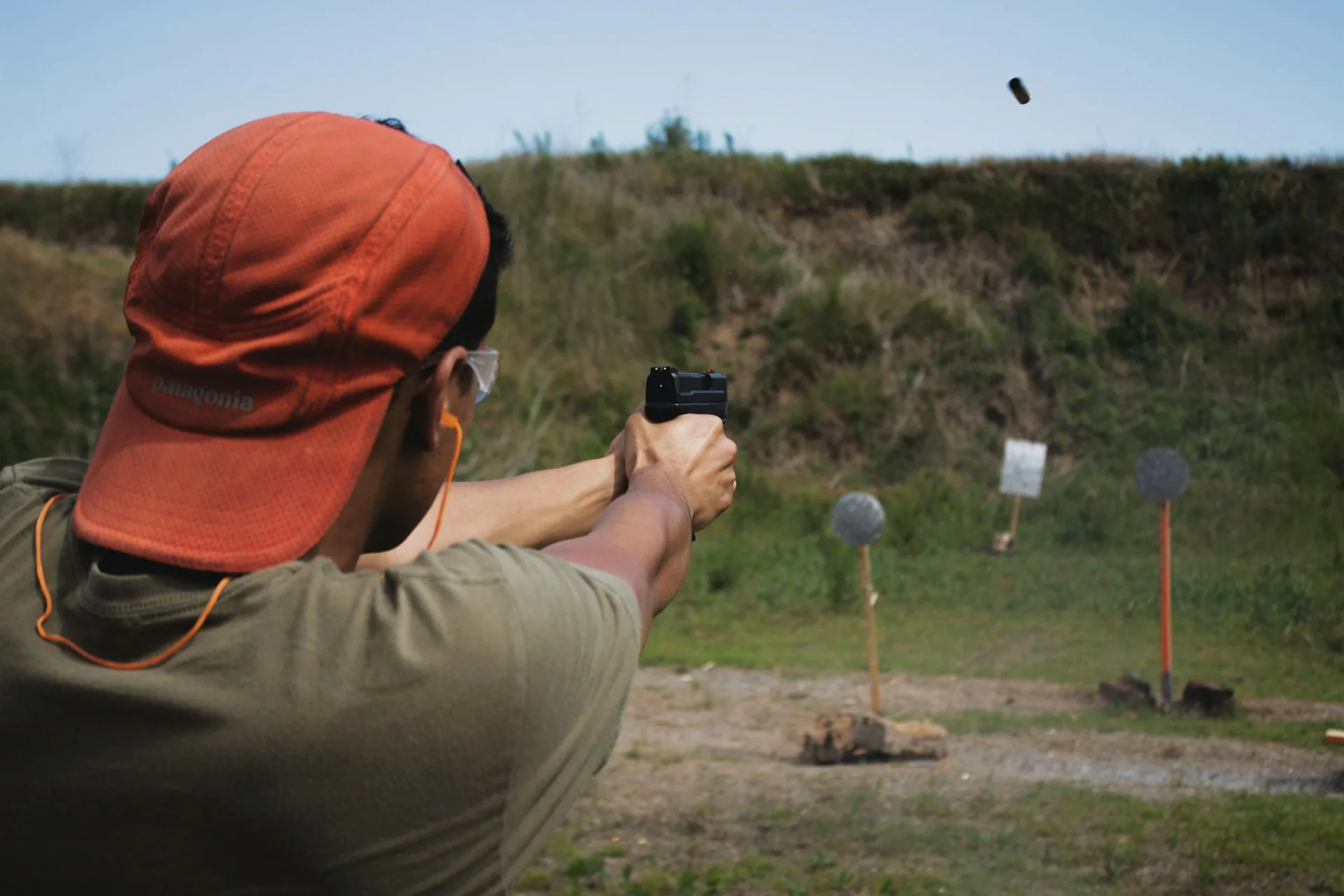
Prospective athletes must first select their sport, ideally one that aligns with their physical attributes, interests, and competitive landscape. Early specialization is common in disciplines like gymnastics or swimming, while others such as marathon running or shooting may allow for later entry.
Once a sport is chosen, the next step is connecting with local clubs or national federations. These organizations provide coaching, competition access, and guidance on progression. For example, USA Track & Field or British Swimming have structured development programs supporting athletes from grassroots to elite levels.
Data from the 2022 World Athletics report indicates that 85% of Olympic track and field athletes entered through national federations’ talent pipelines, underscoring their critical role.
- Research and choose your sport: Evaluate your skills, interests, and available resources.
- Join a club or federation: Engage with certified coaches and start competing locally.
- Understand qualification criteria: Review your sport’s Olympic qualification system via the IOC and relevant international federations.
- Set a training and competition plan: Work with coaches to build skills progressively and participate in sanctioned events.
- Monitor progress and adjust goals: Use performance data to refine training and target qualifying benchmarks.
Funding and support also play a vital role. National Olympic Committees often offer scholarships, grants, or stipends, but many athletes supplement these through sponsorships or crowd-funding platforms. The 2026 Olympic preparations have seen increased investment in athlete welfare, including mental health services and career planning.
Technological Advances and Training Paradigms in 2026
The past few years have heralded transformative changes in athletic training, driven by technology and science. High-performance centers now leverage AI-driven analytics, biomechanics, and nutrition optimization to push athletes beyond previous limits.
For instance, wearable devices provide real-time physiological data, enabling personalized adjustments to training loads and recovery protocols. Virtual reality simulations help athletes practice under competition-like conditions without physical strain.
National teams from countries like Japan, Germany, and Australia have integrated these technologies into their preparation for the 2026 Winter and Summer Games cycles, yielding measurable performance gains. According to the Sports Technology Journal, athletes using advanced analytics have improved qualifying times by an average of 4.2% over traditional methods.
These innovations are not limited to elite centers. Increasingly, grassroots programs are adopting accessible tech tools, democratizing high-level training insights. This trend aligns with broader efforts to widen the athlete base and enhance early talent detection.
Nutrition science has also evolved, with tailored diets based on genetic profiling and microbiome analysis becoming standard practice among top contenders. Recovery techniques such as cryotherapy and neurofeedback are now integral to training regimens.
- AI-driven performance analytics for personalized training adjustments
- Virtual and augmented reality for mental and technical preparation
- Genetic and microbiome-informed nutrition plans
- Advanced recovery modalities like cryotherapy and neurofeedback
Voices from the Field: Expert Insights on Starting the Olympic Journey
Experts across sports disciplines emphasize that mental resilience and strategic planning are as important as physical prowess. Dr. Emily Chen, a leading sports psychologist, stresses the need for a growth mindset and coping mechanisms to handle pressure.
“Olympic preparation is a marathon, not a sprint. Athletes must cultivate patience, adaptability, and a strong support network,” Chen explains. Psychological readiness can be the difference-maker, especially in high-stakes competitions where margins are razor-thin.
Coaches also highlight the value of mentorship and networking within the Olympic community. Former Olympians often volunteer as advisors, helping newcomers navigate the complex logistics and emotional demands.
Furthermore, the role of national federations cannot be understated. They provide not only technical training but also access to international competitions essential for gaining experience and visibility.
In this regard, the 2026 Winter Olympics in Milan-Cortina and the upcoming 2028 Los Angeles Summer Games are focal points for athletes beginning their qualification cycles. These events offer practical milestones for testing progress and adjusting strategies.
“Support systems and expert guidance turn potential into podium finishes.” – Coach Lars Svensson, Swedish Olympic Committee
Looking Ahead: Future Trends and Essential Takeaways
As the Olympic movement embraces new sports and technologies, aspiring athletes face both unprecedented opportunities and challenges. The increasing complexity of qualification systems requires careful navigation, while growing global competition demands continuous improvement.
Key trends to watch include the rise of hybrid sports combining physical and digital skills, increased emphasis on sustainability in athlete development, and expanded roles for AI in talent scouting.
For those starting out, practical advice centers on commitment, networking, and leveraging available resources. Early engagement with certified programs, continuous learning, and mental toughness remain the pillars of success.
Moreover, exploring stories of athletes who transitioned from unconventional backgrounds or late starters can inspire and inform new entrants. TheOmniBuzz’s article on How the Olympics Continue to Shape Global Sports and Culture offers valuable context on the Games’ societal impact and evolving athlete profiles.
For those interested in broadening their sports portfolio, cross-training and multi-discipline engagement can open additional pathways. Insights from related fields, including video gaming, as discussed in How to Get Started with Video Games: A Beginner’s Roadmap to Play and Enjoyment, highlight the increasing convergence of physical and cognitive skills in modern sports.
- Start early, but remain adaptable: Entry age varies by sport; flexibility is key.
- Build a strong support network: Coaches, mentors, and peers are invaluable.
- Leverage technology and data: Use modern tools to optimize training and recovery.
- Understand and navigate qualification routes: Stay informed about evolving criteria.
- Prioritize mental health: Develop resilience alongside physical skills.
Ultimately, the Olympic journey is deeply personal and multifaceted. The combination of passion, planning, and perseverance shapes the path forward. As the Games continue to evolve, so too do the avenues for participation, promising an exciting future for the next generation of Olympians.