
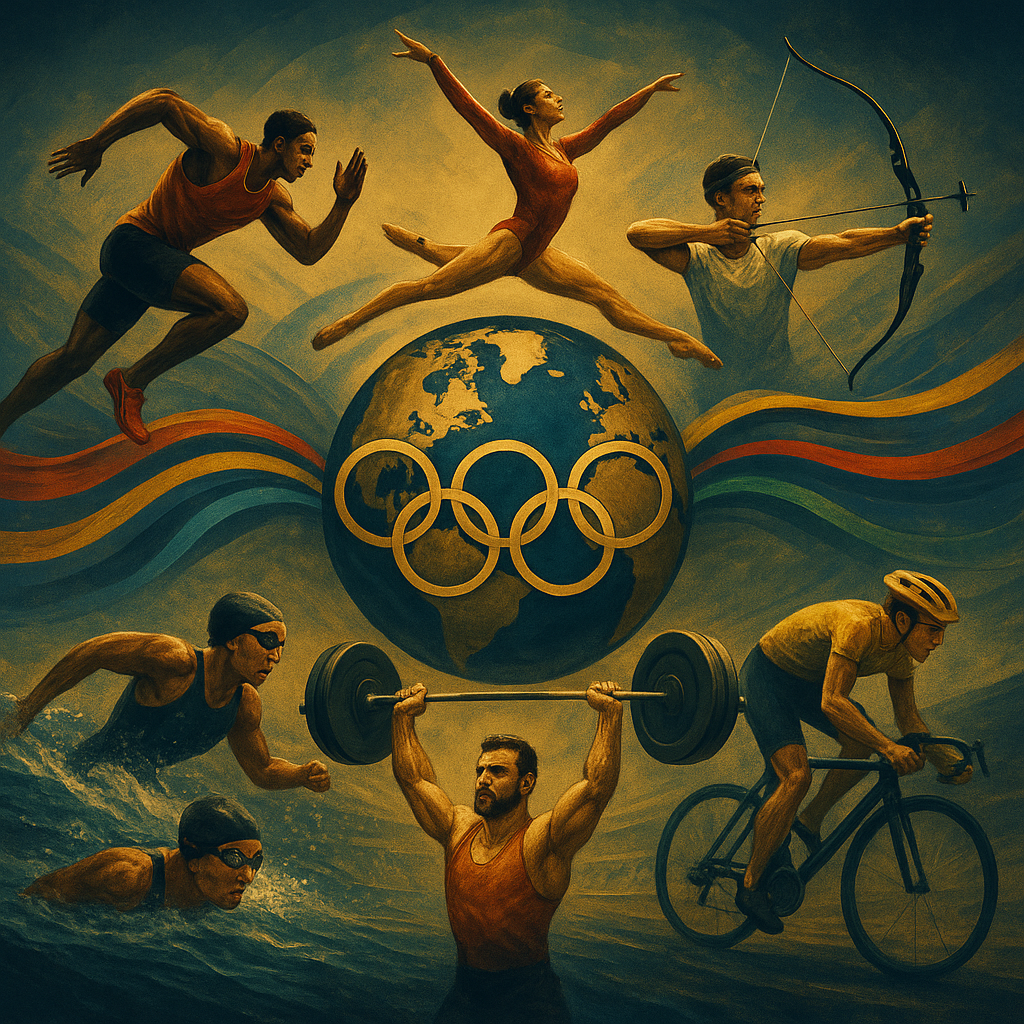
A Moment Frozen in Time: When an Olympics Changed Everything
Few events in modern history have captured the world's collective imagination quite like the Olympic Games. Each iteration offers a unique stage where athletic prowess intersects with cultural, political, and technological shifts. Yet, among over a century of Summer and Winter Games, certain editions stand out not merely for their medal counts, but for their profound influence on sports and society at large. The 1936 Berlin Games, for instance, remain etched in memory not only for Jesse Owens’ historic victories but also as a stark demonstration of sport's power to challenge oppressive ideologies. Fast forward to the 2022 Beijing Winter Olympics, where advances in sustainability and cutting-edge technology redefined winter sport hosting standards. This article explores six Olympic Games that have left an indelible legacy—shaping the future of sports and global unity.
Tracing the Path: How the Olympics Evolved into a Global Phenomenon
The Olympics' journey from the 1896 Athens revival to the sprawling spectacles we witness today is a tale of ambition, innovation, and international diplomacy. Originally conceived by Pierre de Coubertin to promote peace through sport, the early Games featured modest participation and limited media coverage. Over decades, however, the Olympics grew exponentially in scale and influence, propelled by geopolitical dynamics and technological advances.
By the mid-20th century, the Games had become a proxy battleground for Cold War rivalries, showcasing athletic excellence alongside ideological competition. The introduction of television broadcasting in the 1960 Rome Olympics exponentially increased global viewership, turning athletes into household names. Simultaneously, the Winter Games gained prestige, spotlighting sports like skiing and ice hockey. These developments set the stage for the Olympics to become a unifying global event, despite underlying tensions.
In the 21st century, the Olympics further embraced inclusivity and environmental responsibility, reflecting societal values. The 2012 London Summer Olympics, for example, showcased unprecedented gender parity and urban regeneration efforts. This ongoing transformation is chronicled in depth in our article How the Olympics Continue to Shape Global Sports and Culture, highlighting the complex forces that have sculpted the Games' modern identity.
Six Defining Olympics: A Data-Driven Examination
Among over 50 editions of the Summer and Winter Olympics, these six stand apart for their enduring legacies and innovations:
- 1936 Berlin Summer Olympics: Marked by Jesse Owens' four gold medals, defying Nazi racial propaganda; first Games with extensive radio and film coverage.
- 1960 Rome Summer Olympics: First fully televised Olympics; introduction of doping tests; Abebe Bikila’s barefoot marathon win, symbolizing African athletic emergence.
- 1980 Moscow Summer Olympics: Notorious for the US-led boycott; largest attendance of athletes at the time; intensified Cold War sports rivalry.
- 1992 Barcelona Summer Olympics: Celebrated for urban revitalization; first time professional athletes (NBA players) participated; record-breaking global TV audience.
- 2010 Vancouver Winter Olympics: Renowned for sustainability innovations; extensive indigenous cultural representation; record-breaking snow sport performances.
- 2022 Beijing Winter Olympics: Advanced use of AI and green energy; strict COVID-19 protocols; new sports inclusion like big air snowboarding.
These Games can be analyzed through multiple lenses — political impact, technological innovation, athlete milestones, and cultural resonance. For example, the 1936 Berlin Olympics saw 3,963 athletes from 49 countries, while the 1992 Barcelona Games expanded to 9,356 athletes from 169 nations, underscoring the Olympic movement’s global growth. Meanwhile, environmental initiatives in Vancouver 2010 set new benchmarks for future hosts, with 23% of venues utilizing renewable energy sources, according to official IOC reports.
"The Olympics are more than a competition; they are a mirror reflecting society's highest aspirations and deepest conflicts." — Dr. Maria Jensen, Olympic historian
Recent Developments in 2026: The Olympics at a Crossroads
As of 2026, the Olympic movement faces unprecedented challenges and opportunities. The upcoming 2026 Winter Olympics in Milan-Cortina are poised to further the sustainability legacy with plans to integrate smart city technologies and carbon-neutral facilities. But the IOC also grapples with geopolitical tensions and rising demands for athlete welfare reforms.
Technological innovation continues to play a pivotal role. Enhanced biometric tracking and augmented reality experiences are becoming standard for athlete training and fan engagement. Moreover, the global pandemic's aftermath has accelerated digital transformation, pushing the Olympics to explore hybrid event models blending in-person and virtual participation.
These trends underscore the evolving nature of the Games, as outlined in our comprehensive guide Breaking In: Your Definitive Guide to Starting a Journey in the Olympics, which also highlights emerging pathways for aspiring Olympians navigating this complex landscape.
"The future of the Olympics hinges on balancing tradition with innovation — ensuring the Games remain relevant in a rapidly changing world." — IOC spokesperson, 2026
Expert Perspectives: The Olympics’ Impact on Sports and Society
Leading voices in sports sociology and Olympic governance emphasize the Games’ dual role as both a catalyst for athletic development and a platform for cultural diplomacy. Experts note that the Olympics inspire grassroots sports participation globally, drive host city economic regeneration, and foster intercultural understanding.
However, they also caution against commercialization risks and political exploitation. The Olympic brand’s immense influence attracts corporate sponsorship and media rights deals worth billions, which can overshadow athletes' welfare and dilute the spirit of amateur competition. Furthermore, human rights concerns linked to some host cities have sparked debates about the IOC's ethical responsibilities.
Sports technologists highlight that the Olympics often accelerate innovation, from performance-enhancing gear to broadcast technologies, benefiting wider sports ecosystems. Sociologists observe that landmark moments, such as the 1968 Black Power salute or the recent gender equality strides, demonstrate the Olympics as a microcosm of societal progress and conflict.
- Economic impact of hosting an Olympics averages $4-6 billion but varies widely by city.
- Global TV viewership peaks at over 3 billion during Summer Games.
- Olympic-related urban regeneration projects have transformed over 20 cities worldwide.
- Gender parity in athlete participation has reached near 50% in recent Games.
Looking Ahead: What the Future Holds for the Olympics
The Olympics stand at a pivotal moment. As the world confronts climate change, geopolitical fragmentation, and rapid digital disruption, the Games must adapt to sustain their relevance and integrity. Future editions are expected to emphasize eco-friendly infrastructure, inclusivity across gender and disability, and integration of AI to enhance fairness and fan experience.
Moreover, emerging sports like e-sports and urban athletics are increasingly being considered for Olympic inclusion, reflecting shifting youth interests. The IOC’s strategic roadmap for 2030 aims to foster a 'smaller, smarter, and more sustainable' Olympics, balancing grandeur with pragmatism.
For athletes, fans, and host cities alike, this evolving vision promises a dynamic Olympic movement continuing to unite diverse cultures through the power of sport. As experts and fans watch closely, the legacy of the six Olympiads explored here provides invaluable lessons on resilience, innovation, and global cooperation.
- 2030 focus on carbon-neutral Games and circular economy models.
- Expansion of mixed-gender and para-sport events for greater inclusivity.
- Increased use of virtual reality for immersive fan engagement worldwide.
- Enhanced athlete mental health programs and welfare policies.
In sum, these six Olympics showcase the transformative potential of the Games beyond medals—mirroring and shaping the world’s social, technological, and political currents. For deeper insights into the evolving nature of Olympic participation and legacy, readers can explore How the Olympics Continue to Shape Global Sports and Culture and Breaking In: Your Definitive Guide to Starting a Journey in the Olympics, both essential reads for understanding this global phenomenon.