
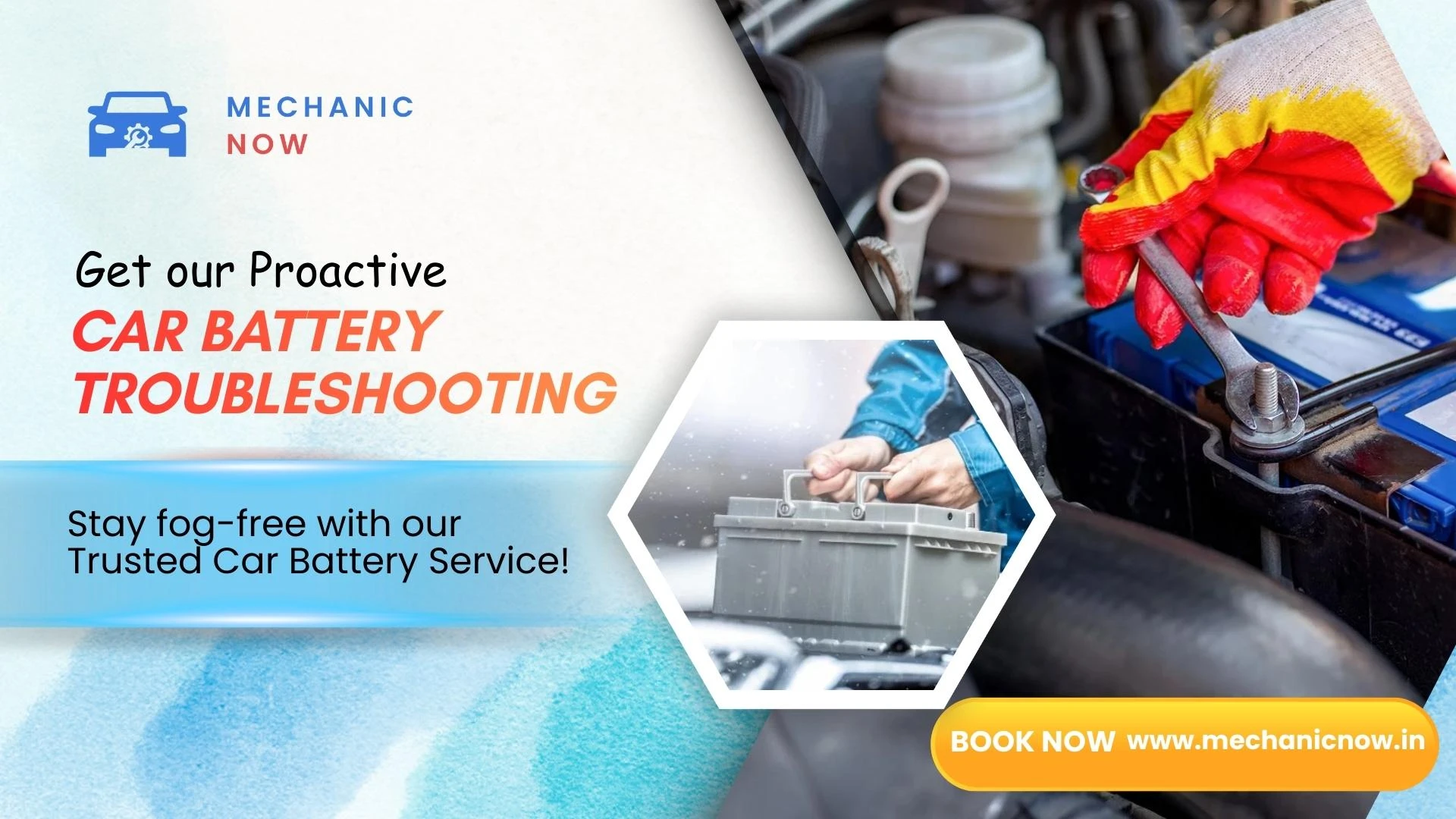
Under winter's harsh conditions your car, especially when it comes to battery, can suffer. Cold temperatures thicken engine oil, decrease chemical reactions inside the battery, and force your battery to work harder. Therefore, starting the engine in winter might be challenging even with a decent battery. This blog covers common car battery problems as well as fundamental car battery troubleshooting techniques to guarantee your car is running flawlessly.
Why Car Batteries Fail in Winter Season
In warm conditions, a battery behaves very differently from one in winter. With lowering temperature, battery capacity declines sharply. At 0°C a battery loses almost one-third of its energy; at -18°C it can lose up to half. This decreased output leads to car battery problems like clicking noises or slow cranking.
Low battery voltage, weak headlights, and inability to run accessories by delaying electrical current are all results of cold temperatures. You can also see:
- Starting engines sluggishly
- Inside flickering lights
- Dashboard battery warning light
Typical car battery maintenance can help one avoid these issues. Performance in winter improves dramatically when:
- Terminals are cleaned
- Electrolyte levels are checked, and
- Safe connections are guaranteed.
Checking the battery before the cold season is one of the simplest yet most effective winter car maintenance tips.
Cold Weather Battery Trouble Procedures
Simple car battery troubleshooting can assist in locating the issue if your car won't start. Begin with the battery terminals; corrosion is one of the primary reasons automotive battery beginning difficulties. Get rid of chalky deposits by using a baking soda solution and brush.
Internal wear could show itself in the winter if your battery is three years old or more. Many times, the most reliable solution here is a car battery replacement. Still, you should think about doing a battery jumpstart. Follow safety instructions or seek a skilled car battery mechanic to avoid damage to your car's electrical components.
Other possible causes of winter car battery failure include:
- Wrong alternator
- Belt without fastening
- Inefficient motor oil
- Regular heater and defogger use
Sometimes what seems to be a battery issue is a charging system failure. If the car starts after a battery jump start but falls quickly afterward, complete car battery service is required.
Finding A Reputable Car Battery Replacement Centre Is Important
Certain battery issues call it too hard for a home resolution. If you notice overnight voltage drops, continuous stalling, or faint headlights even after charging, call a certified car battery mechanic. With the exact diagnoses, they may recommend car battery replacement, check car battery voltage, and test alternator and starter voltage.
A professional winter car service also guarantees that your battery and engine remain in good condition throughout winter. Scheduled inspection will help prevent unexpected battery breakdowns and expensive repairs.
Drive safely with Mechanic Now
Though cold temperatures strain batteries, good car battery service and frequent inspections may help you avoid car battery starting problems. Trust Mechanic Now whether you need professional car battery assistance, a safe battery jumpstart, or a total replacement.