
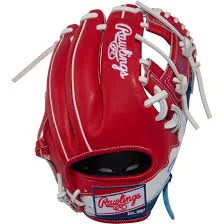
Fielding is one of the most important parts of baseball, and having suitable equipment can make every defensive play more manageable. A glove gives players the ability to catch, secure, and transfer the ball while protecting their hand during repeated practice. Selecting the right Baseball Gloves requires attention to several details, including player position, glove size, material, web style, and personal comfort. The right choice can become a dependable part of a player's equipment throughout training and competition.
Players at different stages of development have different requirements. A young athlete learning fundamental catching techniques may need a lightweight glove that is easy to control, while an experienced player may prefer a specialized design that matches the demands of a particular position. Understanding these differences makes it easier to select suitable equipment.
How a Baseball Glove Supports Fielding
A glove is designed to give players a larger surface for receiving the ball and greater control after the catch. During a game, players may need to react quickly to ground balls, line drives, pop flies, and hard throws. A properly selected glove can help them secure the ball and transition into their next movement.
Comfort is also important because fielders may use their gloves for extended periods during practice. A glove that fits the hand properly allows players to focus on footwork, positioning, and throwing rather than constantly adjusting their equipment.
Selecting the Correct Glove Size
Baseball Gloves size should correspond to the player's age, hand size, and position. Smaller gloves can be easier for younger athletes to control, while larger designs may provide additional catching surface for certain positions.
Infielders often select gloves that support quick ball transfers, whereas outfielders may prefer longer gloves that provide greater reach. Players should consider their position before choosing a size rather than simply selecting the largest available option.
Gloves for Infield Players
Infielders frequently need to make rapid plays after receiving ground balls. A glove with a manageable size and responsive pocket can support quick transfers from glove to throwing hand.
Middle infielders may prefer designs that feel lightweight and allow fast movement, while third basemen can have different requirements because they may encounter harder-hit balls. Personal preference also plays a role, so players should consider how different designs feel during actual fielding drills.
Outfield Gloves and Catching Range
Outfielders cover significant areas of the field and regularly track balls hit into the air. A larger glove can provide a deeper pocket and additional catching range, which can be useful when attempting to catch balls at the edge of a player's reach.
Despite their larger size, outfield gloves still need to feel manageable. Players should be able to close the glove securely and transition smoothly into throwing after completing a catch.
Choosing a Glove for Youth Players
Youth players require equipment that matches their developing hands and physical abilities. A glove that is too large or heavy can make catching unnecessarily difficult and may discourage beginners during early training sessions.
Age-appropriate gloves can give young athletes greater control while they learn fundamental skills such as catching, securing the ball, and transferring it to the throwing hand. As players grow and their skills develop, they can move toward equipment designed for more advanced requirements.
Materials That Affect Glove Performance
The material of a glove can influence its durability, flexibility, weight, and overall feel. Leather is commonly used for baseball gloves because it can provide durability and develop a personalized feel as it is used. Synthetic materials can also be useful for players who want lightweight equipment or an option that is easier to break in.
Other construction details, including the web, pocket, padding, and stitching, can also influence how the glove behaves during play. Players should consider these features alongside size and position.
Breaking In a New Glove
New gloves can feel firm when first purchased, especially when made from durable materials. Gradual use during catching practice can help the glove become more flexible and allow its pocket to develop naturally.
Players should follow the care instructions provided with their equipment. Excessive moisture, improper storage, or aggressive breaking-in techniques may affect the material and structure of the glove. Taking a patient approach can help preserve the equipment while making it more comfortable to use.
Maintaining Your Baseball Glove
Regular care can help a glove remain functional throughout multiple seasons. Players should keep their equipment clean and store it somewhere dry and protected. After practices and games, allowing the glove to remain properly shaped can help preserve its pocket.
It is also useful to inspect the webbing and stitching periodically. Addressing minor signs of wear early can help prevent them from becoming more significant problems during an important game or training session.
Finding Suitable Baseball Equipment
Choosing sports equipment should always begin with the player's actual requirements. Position, age, frequency of play, hand size, and experience can all affect the type of glove that makes sense. Comparing different designs before purchasing can help players find equipment that feels natural during fielding practice.
Sport Excellence provides sports equipment for athletes, teams, and sports enthusiasts, giving baseball players access to products suited to different training and playing needs. Players can consider their position and preferred features when exploring available glove options.
Developing Better Fielding Habits
Equipment alone does not create a skilled fielder. Consistent practice is essential for improving reaction time, positioning, catching technique, footwork, and throwing accuracy. However, equipment that fits properly can make training more comfortable and allow players to concentrate on developing these skills.
Sport Excellence supports athletes with sports equipment designed for different activities and levels of participation. With a properly selected glove and regular fielding practice, players can build confidence and become more comfortable handling different defensive situations.
Choosing Equipment With Confidence
There is no universal glove that suits every baseball player. The ideal choice depends on position, physical characteristics, playing level, and individual preference. Taking the time to understand glove sizes, materials, web styles, and care requirements can make the buying process more straightforward.
For beginners and experienced athletes alike, the right Baseball Gloves can become an essential part of a reliable fielding setup. By combining suitable equipment with consistent practice and proper maintenance, players can prepare themselves for productive training sessions and confident performances on the baseball field.