
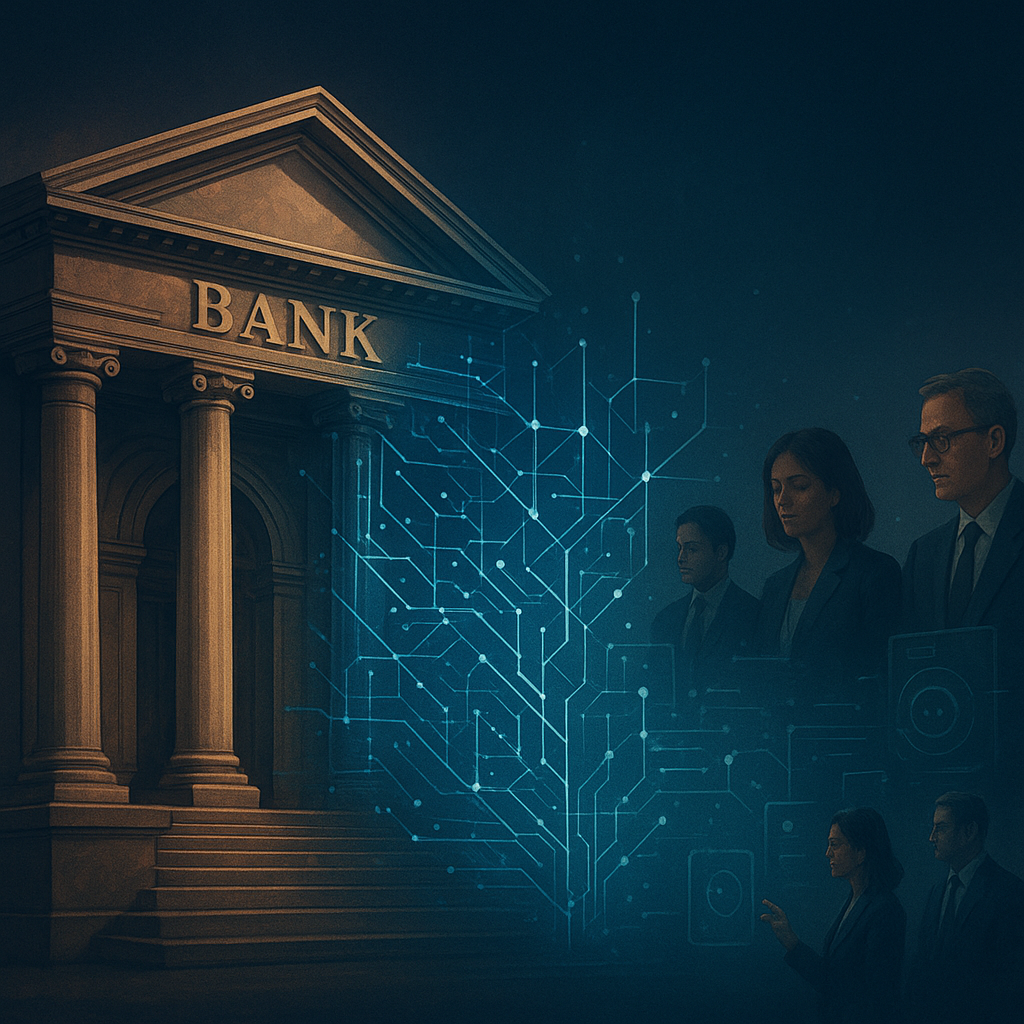
Banking at a Crossroads: A Glimpse Into a Changing Industry
On a brisk morning in Tokyo’s financial district, one of the world’s largest banks unveiled its latest innovation: an AI-driven, fully autonomous branch that requires no human tellers or advisors. The bank’s CEO declared this a step toward “banking without boundaries,” promising customers seamless, 24/7 personalized financial services. This moment encapsulates the tension and promise gripping the global banking sector in 2026 — an industry simultaneously embracing cutting-edge technology and grappling with the enduring need for trust and security.
Banking today is not merely about deposits and loans; it is a complex ecosystem where digital innovation, regulatory scrutiny, and consumer expectations collide. According to recent industry estimates, global digital banking transactions have surged by over 60% since 2023, highlighting a rapid shift in consumer behavior. Yet, amidst this digital revolution, traditional banking foundations remain surprisingly resilient, illustrating a complex duality.
“The future of banking hinges on balancing innovation with trust — customers want both cutting-edge technology and the confidence that their money is safe,” explains Dr. Lena Hofstadter, a leading financial technology analyst.
This article explores the multifaceted evolution of banking in 2026, examining its historical roots, current transformations, and what lies ahead for institutions and consumers alike.
From Brick and Mortar to Bytes and Bots: Banking’s Historical Trajectory
The origins of modern banking date back centuries, evolving from goldsmiths and moneylenders into complex institutions central to economic growth. The 20th century saw the rise of retail banks with physical branches, while the late 1990s and early 2000s heralded the first wave of online banking. This digital shift laid the groundwork for today’s innovations.
However, change was never linear. The 2008 global financial crisis exposed systemic vulnerabilities, prompting stricter regulations and a renewed focus on risk management. Banks adapted by tightening credit standards and enhancing compliance frameworks.
Fast forward to the 2020s, the proliferation of smartphones and mobile apps democratized access to banking services. Fintech startups emerged as formidable competitors, offering user-friendly interfaces and niche services such as peer-to-peer lending and robo-advisory. Legacy banks responded by investing heavily in technology, partnerships, and customer experience improvements.
According to a 2025 report by the Financial Stability Board, the banking sector’s digital assets under management surpassed $25 trillion globally, reflecting the scale and importance of this transformation. Yet, the coexistence of legacy systems and new platforms often creates operational complexity, a challenge banks still wrestle with.
“Understanding the roots of banking helps explain why, despite advances, many institutions hesitate to fully abandon traditional models,” notes economist Andrew McClellan.
The 2026 Banking Landscape: Data, Digital, and Disruption
In 2026, banking is characterized by several intersecting trends reshaping its core functions:
- AI and Automation: Automated underwriting, fraud detection, and customer service chatbots have become industry standards. AI-driven credit scoring now incorporates alternative data sources such as social media behavior and IoT device usage, expanding financial inclusion.
- Embedded Finance: Banking services are increasingly integrated into non-financial digital platforms. For example, ride-sharing apps now offer instant driver loans and savings accounts, blurring industry boundaries.
- Decentralized Finance (DeFi) Integration: While traditional banks remain cautious, some have launched hybrid products that combine stablecoins and blockchain-based smart contracts with conventional deposit accounts.
- Cybersecurity and Privacy: With rising digital transactions, banks face escalating cyber threats. Investments in quantum-resistant encryption and biometric authentication are priorities.
- Regulatory Evolution: Policymakers worldwide are crafting frameworks to govern AI use, data privacy, and crypto-assets, creating a dynamic compliance landscape.
Data from the Global Banking Innovation Report 2026 reveals that 78% of leading banks have deployed AI-driven customer engagement platforms, while 45% actively offer embedded finance services. Moreover, the average cost-to-income ratio among top-tier banks has improved by 7% compared to 2023, driven by automation efficiencies.
This shift toward technology is not without challenges. Legacy IT infrastructure, cultural resistance within organizations, and regulatory uncertainties slow adoption. Yet, consumer demand for convenience and tailored experiences forces banks to accelerate change.
Expert Insights: Navigating Complexity Amid Innovation
Industry leaders emphasize the delicate balance between embracing innovation and preserving the trust that underpins banking relationships.
“Technology is an enabler, not a replacement for human judgment and ethical standards,” says Mariana Ruiz, Chief Innovation Officer at a leading European bank. “We must ensure AI decisions are transparent and fair to maintain customer confidence.”
Experts also highlight the persistent risk of banking errors despite technological advances. A recent analysis published by TheOmniBuzz shows that blunders related to data mismanagement and algorithmic biases continue to surface, causing reputational damage and regulatory fines.
Furthermore, the social impact of banking innovation is under scrutiny. While digital tools expand access, concerns about exclusion of less tech-savvy populations remain. Financial literacy initiatives and hybrid service models—combining digital and physical touchpoints—are critical to inclusive growth.
To illustrate, consider the contrasting strategies of two global banks in 2026:
- Bank A: Fully digital, relying on AI for all customer interactions, targeting tech-savvy urban millennials.
- Bank B: Maintains a network of branches with digital enhancements, serving diverse demographics including rural and elderly clients.
Bank B’s approach underscores lessons from recent TheOmniBuzz coverage on why traditional banking foundations remain vital amid innovation. This mix of old and new reflects a pragmatic path forward.
Case Studies: Innovation and Resilience in Global Banks
Examining real-world examples provides tangible insights into banking’s evolving dynamics.
Case Study 1: Digital-First Transformation at Zenith Bank
Zenith Bank, headquartered in Singapore, launched a comprehensive digital overhaul in 2024, culminating in a fully AI-powered loan approval system by 2026. This reduced average loan processing time from 3 days to under 5 minutes, increasing customer satisfaction and loan volumes by 35%. The bank also implemented blockchain-based KYC processes, enhancing compliance and reducing fraud.
Case Study 2: Community Banking Meets Technology at Redwood Financial
Redwood Financial, a regional bank in the Pacific Northwest, invested in hybrid banking models blending digital interfaces with local branch advisors. Their ‘Digital Neighborhood Hub’ concept offers tech workshops and financial coaching, addressing digital literacy gaps. This approach helped Redwood grow deposits by 12% annually and reduce loan default rates through improved customer engagement.
These cases highlight that there is no one-size-fits-all solution. Banks must tailor innovation strategies to their customer base and operational strengths.
Looking Ahead: What to Watch in Banking’s Next Chapter
As 2026 progresses, several developments will shape banking’s trajectory:
- Quantum Computing Impact: Expected breakthroughs could revolutionize encryption and risk modeling, but also pose new cybersecurity challenges.
- AI Regulation and Ethics: Stricter oversight on AI transparency and fairness will influence product design and consumer trust.
- Interoperability of Financial Systems: Enhanced integration between traditional banks, fintechs, and DeFi platforms may create seamless financial ecosystems.
- Consumer Data Ownership: Growing advocacy for personal data control could redefine how banks access and use customer information.
- Environmental, Social, and Governance (ESG) Banking: Banks increasingly incorporate ESG criteria into lending and investment, responding to stakeholder demands.
Financial experts recommend consumers stay informed and proactive in managing their banking relationships. As outlined in Mastering Money Moves: Expert Tips for Smarter Banking Decisions, understanding emerging products and risks is crucial in this complex environment.
“Banking’s future will reward those who combine technological savvy with ethical stewardship and customer-centricity,” concludes Dr. Hofstadter.
For readers new to these topics, Unlocking Your Financial Future: A Beginner’s Journey Through Modern Banking provides an accessible starting point.
In conclusion, banking in 2026 stands at a pivotal moment. Innovation accelerates, but the fundamental need for trust, security, and inclusivity remains unchanged. Institutions that navigate this duality effectively will define the future of finance.