
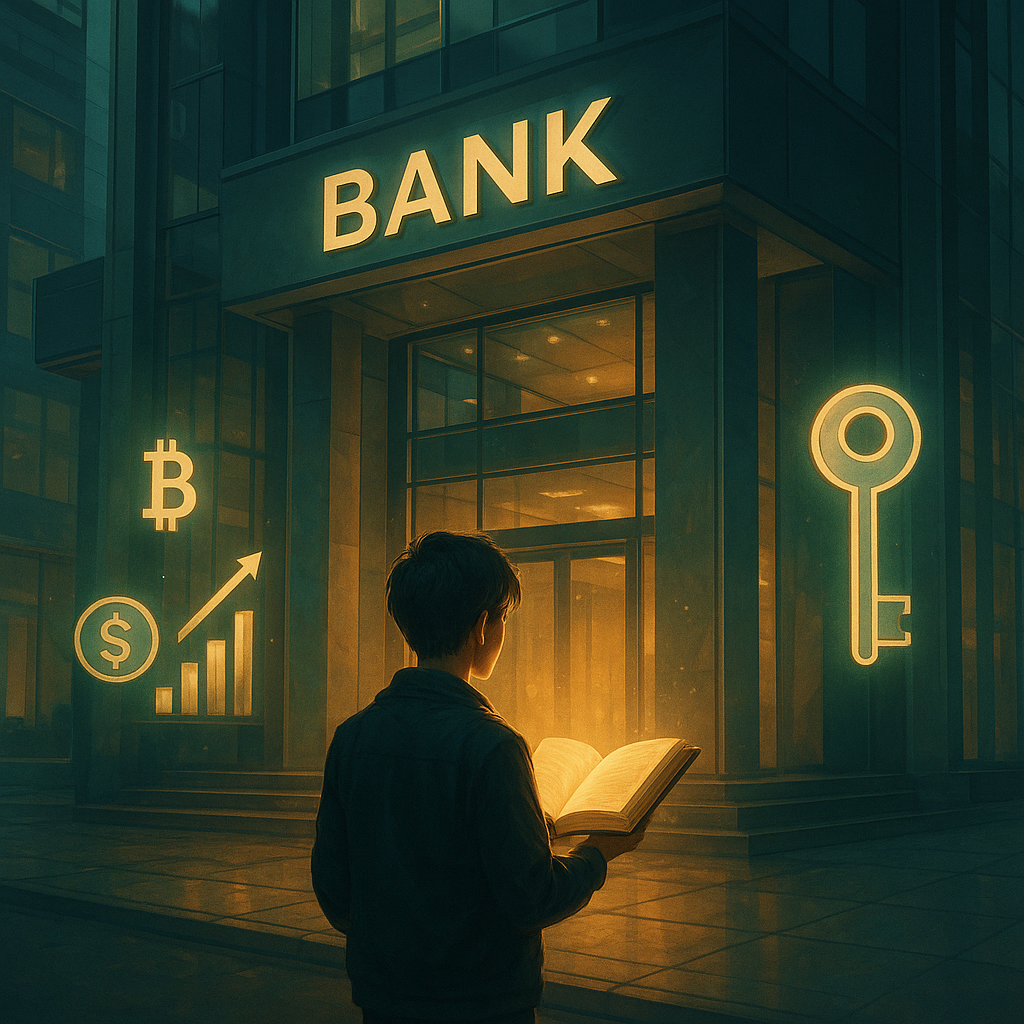
Opening the Vault: Why Understanding Banking Matters More Than Ever
Imagine stepping into a vast, intricate network that touches every aspect of your daily life—from buying your morning coffee to planning your retirement. That network is banking, a foundational pillar of the global economy. For beginners, the banking world might seem intimidating, filled with jargon and complex products. Yet, gaining a clear understanding of banking today is essential not only for managing money but also for empowering your financial decisions in a rapidly evolving landscape.
In 2026, global banking assets exceeded $150 trillion, according to the International Monetary Fund, underscoring the sector's immense scale and influence. Yet, despite this vastness, many individuals remain unbanked or underbanked, lacking access to basic financial services. This disconnect highlights the pressing need for accessible banking knowledge, especially as innovations reshape how we interact with money.
“Banking is no longer just about storing money; it’s about enabling financial inclusion and creating pathways for economic opportunity,” explains Dr. Helena Ortiz, a financial inclusion expert at the Global Finance Institute.
This guide aims to demystify banking for beginners by exploring its foundations, current innovations, and practical steps to engage confidently with financial institutions. Whether opening your first account, understanding loans, or navigating digital banking, this comprehensive overview will serve as your financial compass.
Tracing the Roots: How Banking Evolved to Shape Today's Financial Ecosystem
The concept of banking dates back millennia, with early forms emerging in Mesopotamia around 2000 BCE. Ancient temples and palaces functioned as depositories and lenders, laying groundwork for modern financial systems. Fast forward to the Renaissance era, Italian city-states pioneered more sophisticated banking practices, including bills of exchange and letters of credit, enabling commerce to flourish across Europe.
In the United States, the National Banking Act of 1864 was a watershed moment, standardizing currency and establishing a national banking system. The 20th century saw the rise of central banks, such as the Federal Reserve, tasked with regulating monetary policy and ensuring financial stability.
Today, banking is a complex ecosystem encompassing commercial banks, investment banks, credit unions, and fintech firms. The sector has continually adapted to economic cycles, regulatory shifts, and technological revolutions. For instance, the 2008 financial crisis triggered sweeping reforms like the Dodd-Frank Act, enhancing consumer protections and systemic oversight.
The journey from brick-and-mortar branches to mobile apps epitomizes this evolution. In 2026, nearly 80% of banking transactions globally occur digitally, according to Statista data, reflecting consumers’ demand for convenience and accessibility.
“Understanding banking’s history provides context for its current complexity and innovation,” notes Emily Chen, senior analyst at TheOmniBuzz. “It also reveals why certain regulations and institutions exist and how they protect customers today.”
Banking Basics Explained: Accounts, Services, and How They Affect Your Financial Health
For beginners stepping into banking, grasping core concepts is crucial. The most common banking product is the deposit account, which includes checking and savings accounts. Checking accounts facilitate daily transactions like deposits, withdrawals, and bill payments. Savings accounts, on the other hand, encourage money accumulation, often offering interest earnings.
Credit products such as loans and credit cards allow consumers to borrow funds with the promise of repayment plus interest. Mortgages for home purchases and personal loans for various needs are typical examples. Understanding interest rates, fees, and repayment terms is vital to avoid debt pitfalls.
Other essential services include:
- Online and Mobile Banking: Providing 24/7 access to manage accounts, transfer funds, and pay bills.
- ATM Access: Enabling cash withdrawals and deposits without visiting a branch.
- Financial Advisory: Assistance in investment planning, retirement savings, and wealth management.
- Fraud Protection: Tools and policies to safeguard accounts from unauthorized activity.
Banking also plays a key role in credit scoring, which affects your ability to access loans and favorable interest rates. Regularly monitoring your credit report and understanding the factors influencing your creditworthiness are important steps for financial health.
With regulatory frameworks like the Consumer Financial Protection Bureau (CFPB) in place, banks must provide transparent information on fees and terms, empowering consumers to make informed choices.
Banking in 2026: Digital Innovation Meets Regulatory Balance
The year 2026 marks a pivotal phase for banking, characterized by accelerated digital transformation alongside robust regulatory evolution. Artificial intelligence and machine learning now power personalized financial advice, fraud detection, and customer service chatbots, enhancing user experience and operational efficiency.
Open banking has gained traction worldwide, allowing consumers to securely share financial data with third-party providers to access innovative services. This trend fosters competition and customization but also raises privacy concerns, prompting regulators to tighten data protection laws in several jurisdictions.
Neobanks—digital-only banks without physical branches—have surged in popularity, especially among younger demographics. They offer streamlined onboarding, low fees, and intuitive interfaces. However, traditional banks maintain a significant presence by integrating digital features with established trust and broad service offerings.
In addition, sustainable finance is reshaping banking priorities. Many institutions now embed environmental, social, and governance (ESG) criteria into lending and investment decisions, responding to growing consumer demand for responsible finance.
- AI-driven credit risk analysis reduces default rates by up to 30%, enhancing loan accessibility.
- Open banking APIs have increased fintech partnerships by 45% since 2024.
- Neobank users globally reached 250 million in 2025, with projections surpassing 350 million by 2027.
These developments underscore a banking environment that balances innovation with security and inclusivity.
Expert Insights: Navigating Banking with Confidence and Caution
Financial experts emphasize the importance of education and vigilance for banking beginners. Lisa Montgomery, Chief Financial Advisor at WealthPath Consulting, advises, “Start by selecting a bank that aligns with your needs—consider fees, accessibility, and customer service. Don’t hesitate to ask questions and read all terms before committing.”
Experts also highlight the importance of cybersecurity awareness. With phishing scams and identity theft on the rise, safeguarding login credentials and monitoring account activity are paramount practices.
Moreover, financial literacy programs have expanded significantly in recent years. Governments and private institutions offer resources ranging from basic budgeting workshops to advanced investment seminars, aiming to empower consumers to make sound financial decisions.
For those hesitant about digital banking, experts recommend a gradual approach: pairing traditional banking practices with digital tools to build comfort and proficiency.
“Banking is evolving, but the fundamentals remain. Understanding your options and rights is the best defense against pitfalls,” states Montgomery.
In addition, TheOmniBuzz’s coverage on Why Banking’s Traditional Foundations Are Holding Firm Amid Rapid Innovation offers further insights into how legacy institutions maintain resilience amidst change.
Looking Ahead: What Beginners Should Watch for in Banking’s Future
As banking continues to evolve, beginners should keep an eye on several emerging trends that will shape financial interactions over the coming years.
- Decentralized Finance (DeFi): Blockchain-powered platforms offering peer-to-peer financial services may disrupt traditional banking roles, though regulatory clarity is pending.
- Biometric Security: Enhanced authentication methods like facial recognition and fingerprint scanning will become standard, improving safety but raising privacy debates.
- Financial Inclusion Initiatives: New models targeting unbanked populations globally, leveraging mobile technology and microfinance, promise to broaden access.
- Green Banking: Increasing integration of climate risk assessments into lending and investment decisions will influence product offerings and consumer choices.
- AI Regulation: As AI tools become ubiquitous in banking, expect tighter oversight to ensure fairness and transparency.
For beginners, staying informed through credible sources and leveraging educational platforms will be vital. Engaging with community resources, financial advisors, and trusted media outlets equips individuals to adapt to changes confidently.
Furthermore, exploring related financial literacy topics, such as how electric vehicles influence personal finance, can provide broader context. Our article How Electric Vehicles Are Changing the Road for Beginners explores these intersections in depth.
Practical Steps for Beginners: Building Your Banking Foundation Today
Embarking on your banking journey involves deliberate actions to build a strong financial foundation. Here are essential steps:
- Choose the Right Account: Compare fees, interest rates, and features. Opt for accounts that offer low fees and convenient access.
- Understand Fees and Charges: Be aware of monthly maintenance fees, overdraft charges, ATM usage costs, and minimum balance requirements.
- Monitor Your Credit: Regularly check credit reports to identify errors and improve your score.
- Utilize Digital Tools: Take advantage of mobile apps and online platforms for budgeting, alerts, and payments.
- Educate Yourself: Engage with financial literacy resources and consider consulting professionals when needed.
Starting small, such as setting up automatic savings or tracking expenses, can build confidence. Remember, banking is a tool to serve your goals, not an end in itself.
Case Study: Maria’s First Steps Into Banking Empowerment
Maria Lopez, a 23-year-old recent college graduate, represents many beginners entering the banking world. Initially overwhelmed by financial jargon and wary of fees, she took a structured approach to learning.
Maria started by opening a no-fee checking account at a community bank with strong online services. She set up direct deposit for her salary and automated monthly transfers to a linked savings account. To build credit, Maria applied for a beginner credit card with a low limit and used it for small purchases, paying off the balance monthly.
Her bank’s mobile app provided budgeting tools and alerts that helped her avoid overdrafts and track spending. Maria also attended a local financial literacy workshop, gaining confidence to explore investment options.
Within a year, Maria improved her credit score by 70 points and saved an emergency fund equivalent to three months’ expenses. Her journey exemplifies how accessible banking knowledge and intentional steps can empower financial independence.
“The right guidance and tools made all the difference. Banking stopped being intimidating and became a partner in my financial goals,” Maria shares.
Maria’s story illustrates the practical application of concepts discussed here and highlights the value of combining education with technology-enabled banking.
By understanding banking’s evolution, mastering essential products, embracing innovation wisely, and learning from real-world examples, beginners can confidently unlock their financial futures.