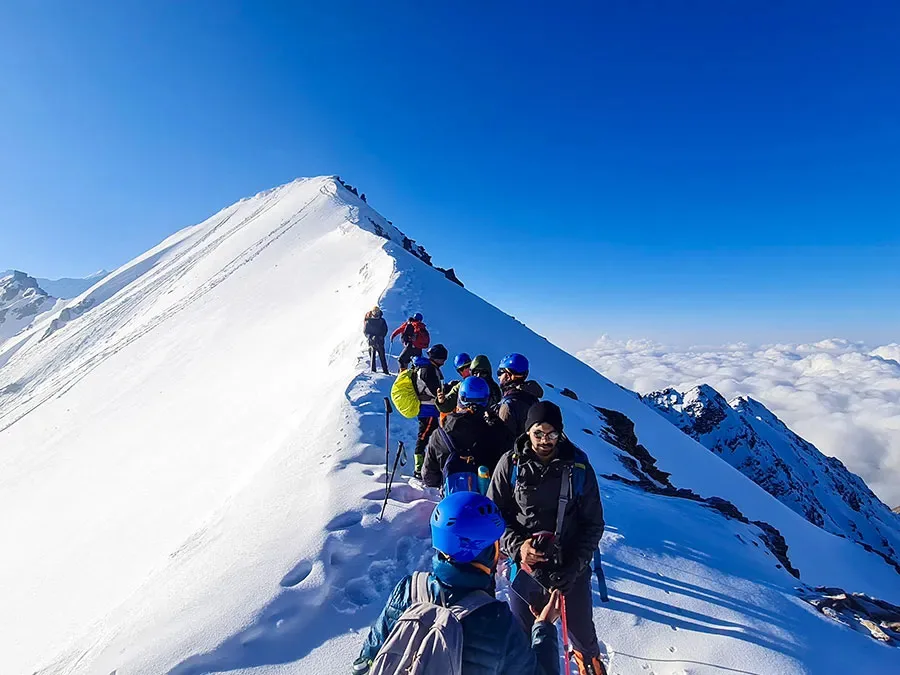
The Bali Pass Trek is a spectacular high-altitude Himalayan trek in Himachal Pradesh, India, known for its dramatic mountain passes, pristine alpine meadows, and panoramic views of snow-capped peaks. Located at an altitude of approximately 16,207 feet (4,940 meters), the trek typically takes 5–6 days to complete and is best tackled between June and September.
The Bali Pass Trek route traverses through dense forests, open grasslands, and challenging high-altitude terrain, making it ideal for intermediate to experienced trekkers. Most Bali Pass Trek packages include accommodation, meals, experienced guides, and permits, with prices generally ranging from ₹8,000 to ₹15,000+ per person depending on the operator and season.
Why the Bali Pass Trek Is One of India's Most Thrilling Adventures Trek {#why-bali}
The Bali Pass Trek stands out as one of the most dramatic and rewarding high-altitude trekking experiences in the Indian Himalayas. Located in Himachal Pradesh, this challenging adventure attracts seasoned trekkers from around the world seeking authentic alpine wilderness, dramatic mountain scenery, and genuine solitude far from crowded tourist trails.
Unlike popular treks that become congested during peak seasons, the Bali Pass Trek maintains a sense of isolation and adventure precisely because its difficulty level filters out casual hikers. The trail demands genuine fitness, mental toughness, and mountaineering spirit—qualities that create an exclusive community of dedicated adventure enthusiasts.
What makes the Bali Pass Trek truly special is its dramatic topography. The trek traverses through remarkably diverse ecosystems—from dense deodar and rhododendron forests filled with birdsong to windswept alpine meadows where only hardy grasses survive. The final approach to Bali Pass (16,207 feet) involves technical scrambling over rocky terrain and occasional snow patches, creating moments of genuine mountaineering challenge within a non-technical expedition.
The views from the pass reward every difficult step: 360-degree panoramic vistas of Himalayan peaks including Kala Nag, Thalayani, Bandarpunch, and countless unnamed summits stretching to the horizon. Clear autumn days offer visibility extending for 50+ kilometers—a perspective that fundamentally changes how trekkers understand the scale and majesty of the Himalayan range.
The Bali Pass Trek Guide typically describes this adventure as "the trek that separates casual hikers from true mountaineers." For those willing to embrace the challenge, Bali Pass delivers life-changing moments in one of Earth's most magnificent mountain environments.
Where Is Bali Pass Located? {#location}
Bali Pass is situated in the northern region of Himachal Pradesh, approximately 60–70 kilometers from the town of Mandi, in the districts bordering the Uttarakhand region. The trek's primary trailhead begins near Har-ki-Dun (also spelled Har ki Dun), a legendary valley steeped in Hindu mythology believed to be the "Valley of Gods."
The pass itself sits at an altitude of 16,207 feet (4,940 meters), positioned on the ridge dividing Himachal Pradesh and Uttarakhand. This geographical location creates the trek's defining characteristic: extreme exposure to weather patterns from multiple directions and dramatic altitude changes over short distances.
The approach to Bali Pass follows an ancient traders' route historically used by merchants and pilgrims traversing between the two states. Local shepherds still use these paths seasonally, adding cultural authenticity to the trekking experience. Small villages like Osla, Taluka, and Seema provide the last points of human habitation before trekkers enter the remote high-altitude wilderness.
What distinguishes this location geographically is its position on the Main Himalayan Thrust—a geological feature creating dramatic topography with steep valleys, sharp ridges, and exposed alpine terrain. This geological positioning ensures spectacular scenery throughout the trek while simultaneously creating the challenging conditions that demand respect and preparation from every participant.