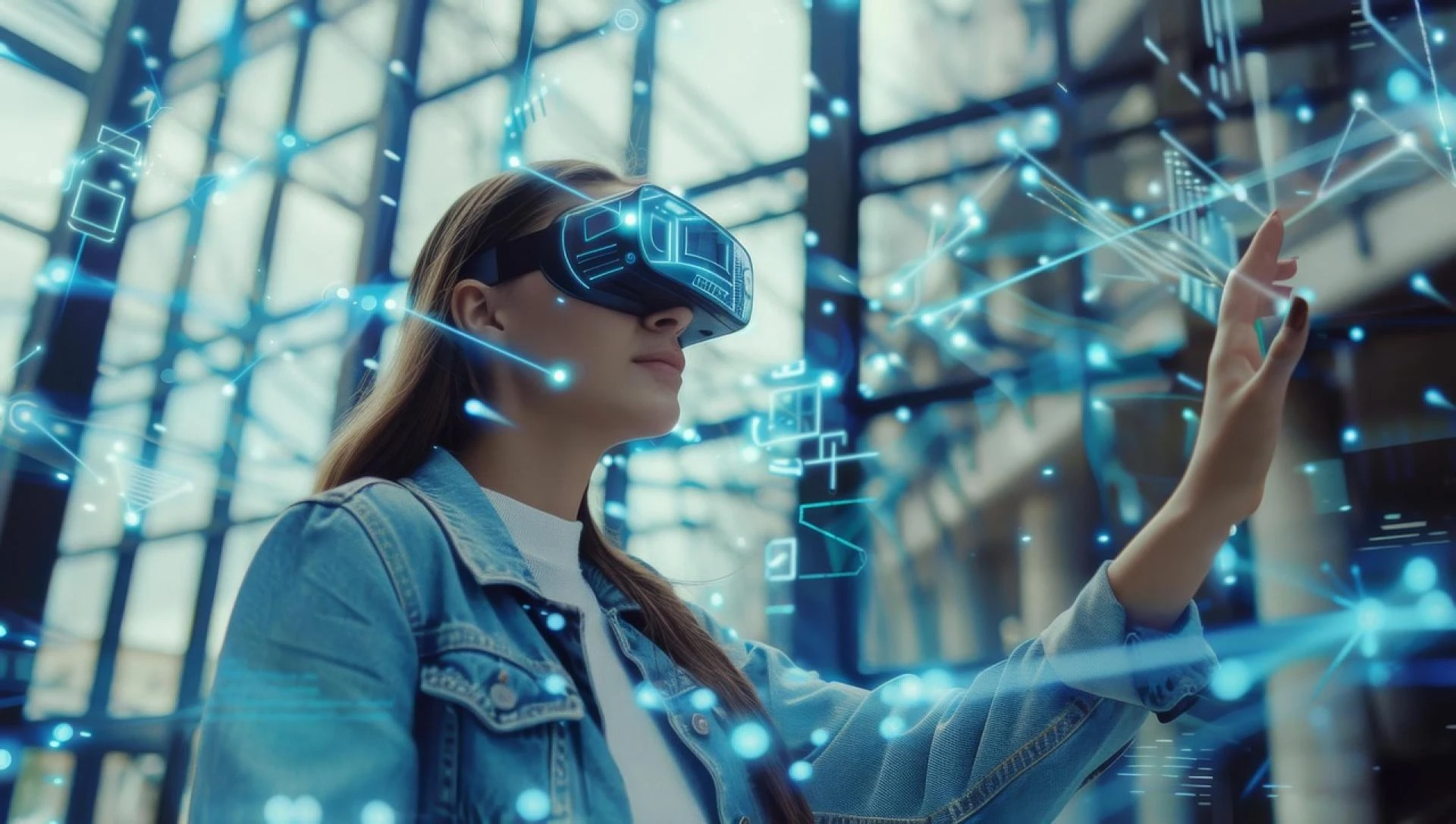
Manufacturing environments are becoming increasingly complex, driven by automation, advanced machinery, and stricter safety and quality standards. As a result, effective workforce training has become a critical priority for manufacturing firms. Traditional training methods—such as classroom sessions, printed manuals, and on-the-job shadowing—often struggle to keep pace with these evolving demands. This is why many organizations are now turning to a VR Training Company to modernize their training programs and better prepare employees for real-world manufacturing challenges.
1.The Challenges of Traditional Manufacturing Training
Conventional manufacturing training typically combines classroom instruction with limited hands-on practice. While this approach can convey theoretical knowledge, it often falls short in developing practical skills. New hires may understand procedures conceptually but lack confidence when operating machinery or responding to unexpected situations on the shop floor.
On-the-job training also presents risks. Allowing inexperienced workers to train on live equipment can lead to safety incidents, production errors, and equipment damage. Additionally, traditional training often depends heavily on experienced supervisors, whose availability may be limited due to production demands.
2.Immersive Learning That Mirrors the Shop Floor
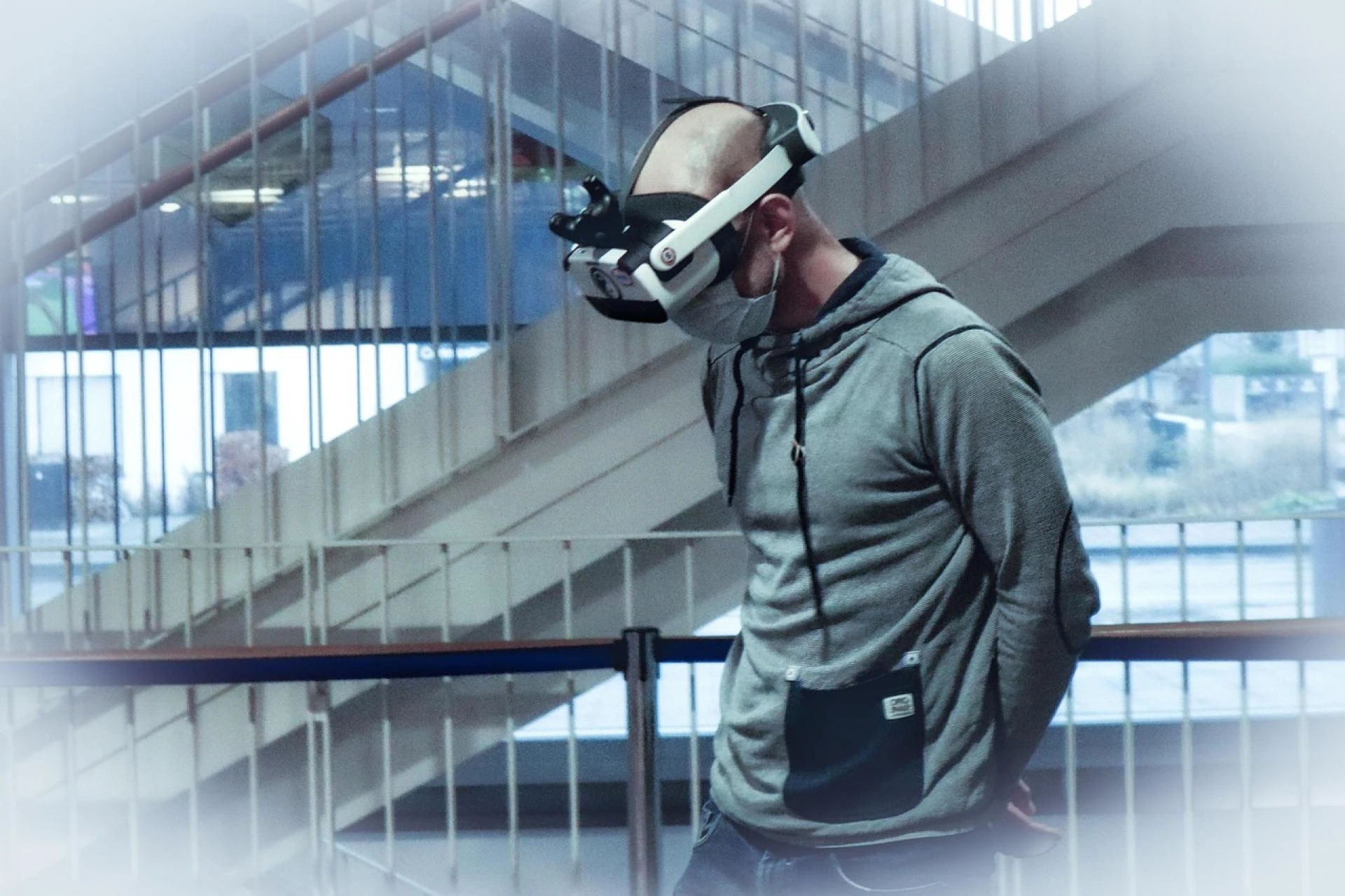
One of the main reasons manufacturing firms prefer VR-based training is its ability to replicate real-world environments. VR training companies create immersive simulations that closely resemble actual factory floors, machines, and workflows.
Employees can practice operating equipment, performing maintenance tasks, or following standard operating procedures in a virtual setting. This realism helps bridge the gap between theory and practice, enabling workers to build hands-on experience before entering live production environments.
3.Improved Safety and Risk Reduction
Safety is a top concern in manufacturing, where workers are exposed to heavy machinery, moving parts, and hazardous materials. Traditional safety training often relies on videos or presentations that fail to convey the real consequences of unsafe behavior.
VR training allows employees to experience potential hazards in a controlled environment. They can practice lockout-tagout procedures, emergency responses, and safe equipment handling without real-world risk. By repeatedly reinforcing safe behaviors, VR training helps reduce accidents, injuries, and near misses on the shop floor.
4.Faster Onboarding and Skill Development
Manufacturing firms often face pressure to onboard new employees quickly while maintaining quality and productivity. Traditional training methods can be time-consuming and inconsistent, leading to longer ramp-up periods.
VR training accelerates onboarding by allowing new hires to practice tasks independently and repeatedly. Trainees can learn at their own pace, receive instant feedback, and gain confidence before working with actual equipment. This faster skill development helps manufacturing firms reduce downtime and improve workforce readiness.
5.Consistency Across Plants and Shifts
Large manufacturing organizations frequently operate multiple plants or production lines across different locations. Delivering consistent training across these sites can be challenging, especially when relying on different trainers or local practices.
A VR training company enables standardized training delivery. Once a VR module is developed, it can be deployed across all facilities, ensuring that every employee receives the same high-quality training. This consistency helps maintain uniform safety standards, operational procedures, and quality outcomes across the organization.
6.Reduced Dependence on Physical Equipment
Traditional hands-on training often requires taking equipment offline, which can disrupt production schedules. In some cases, training on live machinery may not even be feasible due to safety or cost concerns.
VR training eliminates the need for physical equipment during the learning phase. Employees can practice complex procedures virtually without impacting production. This flexibility allows manufacturing firms to train workers more frequently and efficiently, even during peak production periods.
7.Data-Driven Training and Performance Insights
Another key advantage of working with a VR training company is access to detailed performance data. VR platforms can track how trainees interact with simulations, including task completion times, errors, and decision-making patterns.
These insights allow managers to assess skill levels more accurately and identify areas where additional training is needed. Data-driven evaluations help manufacturing firms move beyond simple attendance tracking and focus on actual competency and performance.
8.Cost Efficiency Over the Long Term
While VR training requires an initial investment, it often proves more cost-effective over time compared to traditional methods. Expenses related to travel, instructor time, equipment wear and tear, and training-related incidents can be significantly reduced.
By minimizing accidents, reducing onboarding time, and improving operational efficiency, VR training delivers measurable returns on investment. Manufacturing firms increasingly view VR training not as a cost but as a strategic investment in workforce development.
9.Supporting Continuous Improvement and Innovation
Manufacturing processes and technologies are constantly evolving. New equipment, automation systems, and quality standards require ongoing training and upskilling.
VR training allows manufacturing firms to quickly update training content and introduce new simulations as processes change. Employees can familiarize themselves with new systems before they are fully implemented, supporting smoother transitions and continuous improvement initiatives.
10.Enhancing Employee Confidence and Engagement
Training effectiveness is closely linked to employee confidence and engagement. Traditional training methods can feel repetitive or disconnected from real work, leading to lower motivation.
VR training offers an engaging and interactive learning experience that resonates with modern workforces. By allowing employees to practice realistically and safely, VR training builds confidence and encourages a proactive approach to learning and performance.
Conclusion
Manufacturing firms operate in high-pressure environments where safety, efficiency, and quality are non-negotiable. Traditional training methods often struggle to meet these demands in today’s complex manufacturing landscape. By partnering with a vr training company, manufacturers can deliver immersive, consistent, and data-driven training that improves safety, accelerates skill development, and supports long-term operational excellence.
To explore more about our work and real-time updates, check out AutoVRse on Twitter, Instagram, and LinkedIn.