Maintaining a high-quality soccer pitch is no easy task. Natural grass requires constant care, and even then, it can struggle under heavy use and changing weather conditions.
This is why many facilities are turning to artificial grass for soccer pitch installations.
The goal isn’t just to replace grass—it’s to create a surface that performs consistently and supports the game at every level.
Why Soccer Pitches Are Moving to Artificial Turf
Natural pitches often face challenges such as uneven surfaces, muddy conditions, and wear in high-traffic areas like goalmouths and midfield zones.
By using synthetic grass for sports, these issues can be avoided. The surface remains stable and playable regardless of weather, allowing matches and training sessions to continue without interruption.
This consistency is one of the main reasons artificial turf is becoming more common in football facilities.

How Artificial Soccer Turf Is Built
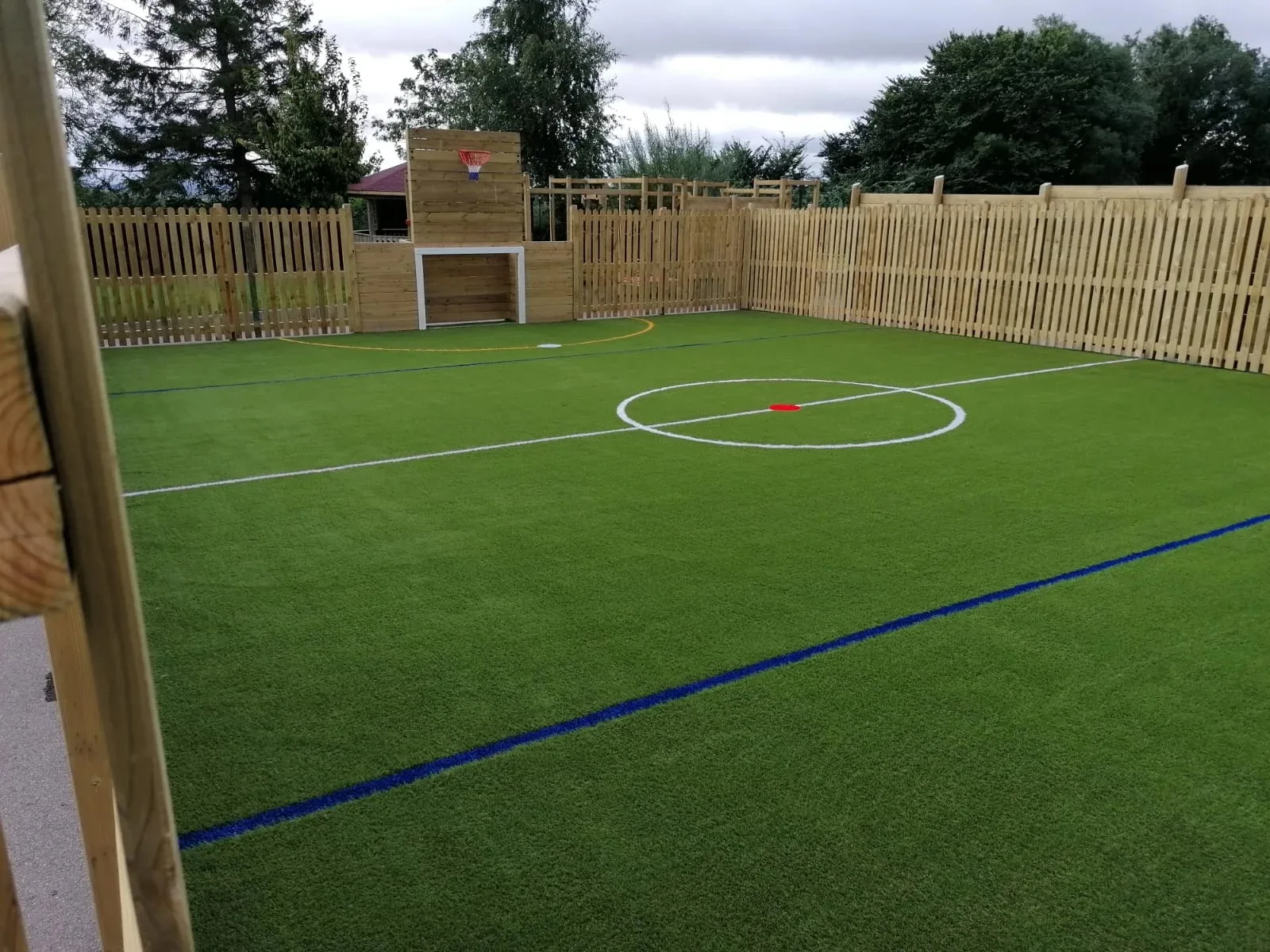
A modern artificial grass football field is designed with multiple layers to ensure performance and durability.
The system usually includes a compact base for stability, a drainage layer to handle water, and high-quality turf fibres supported by infill materials. Together, these elements create a surface that mimics natural grass while offering better resilience.
This type of artificial sports turf is built to handle intense use without losing its structure.
Performance Advantages on the Field
For players, the condition of the pitch directly affects gameplay. A well-installed artificial surface offers predictable ball movement and reliable footing.
Unlike worn natural grass, sports artificial grass provides an even playing field with fewer inconsistencies. This helps maintain the flow of the game and reduces disruptions caused by poor surface conditions.
It also supports frequent use, making it ideal for facilities that host multiple matches or training sessions each week.

Maintenance and Long-Term Value
Maintaining a natural soccer pitch can be costly and time-consuming. Artificial turf simplifies this process significantly.
Basic upkeep involves brushing the surface and removing debris, without the need for watering or mowing. Over time, this reduces maintenance costs and ensures the pitch remains in good condition.
For many facilities, investing in artificial grass for soccer pitch projects leads to better long-term value and increased usability.
A Practical Choice for Modern Facilities
Artificial turf has become a reliable solution for soccer pitches that need to perform under constant use. It offers durability, consistency, and lower maintenance compared to traditional grass fields.
For clubs, schools, and training centres, switching to artificial grass for soccer pitch systems provides a surface that stays ready for play, no matter the conditions.