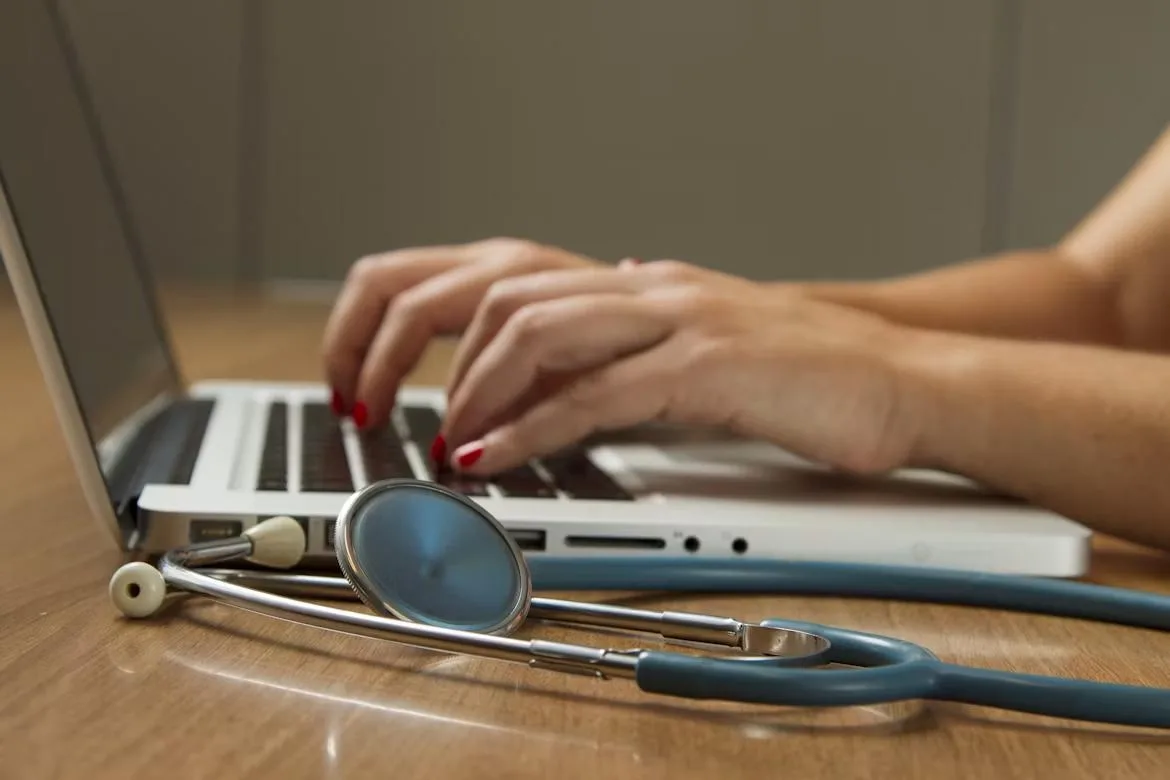
If you have ever called in sick and wondered whether a licensed provider can back you up without an in-person visit, you are not alone. Getting an online doctor’s note has become one of the most searched healthcare topics of the past three years — and for good reason. Millions of workers now rely on telehealth to get the documentation they need fast. A doctor’s note for work obtained through a telehealth platform is not just a convenience option anymore; it carries real legal weight in most U.S. workplaces, and that legal standing is only growing stronger as telehealth becomes the standard of care.
What Makes an Online Doctor Note Legitimate?
Legitimacy comes down to the provider, not the channel. A telehealth-issued note carries the same legal standing as one written in a doctor’s office — provided it was issued by a licensed physician or nurse practitioner following a real clinical evaluation. The critical phrase here is “real clinical evaluation.” A provider must review your symptoms, ask follow-up questions, and make a professional judgment before issuing any documentation. Platforms that sell notes with no actual consultation are not delivering medical documentation — they are selling counterfeit paperwork, which is an entirely different matter.
All 50 U.S. states now have legal provisions allowing licensed providers to conduct telehealth consultations and issue documentation from those visits. The American Telemedicine Association has consistently affirmed that telehealth encounters carry the same clinical and legal validity as in-office appointments when conducted within appropriate care standards. If your provider is licensed, your consultation was genuine, and the note reflects actual clinical findings, that document is fully legitimate.
Do Employers Actually Accept Telehealth Documentation?
The short answer is yes. The vast majority of employers — and particularly HR departments — do not verify whether your note originated from an in-person visit or a telehealth appointment. What they check is that the documentation includes a provider’s name, credentials, license information, the date of service, and a recommendation for the relevant absence dates. If those elements are present and the provider is verifiable, the note holds up under scrutiny.
Some highly regulated industries — federal agencies, certain healthcare positions, or workplaces governed by collective bargaining agreements — may have specific documentation requirements. In those cases, your employee handbook will clarify what is needed. For the overwhelming majority of private-sector employees, however, a properly issued telehealth note is functionally indistinguishable from one handed to you at a clinic. Employers increasingly accept these documents without question, reflecting how normalized telehealth has become in everyday medical practice.
How the Consultation and Documentation Process Works
Reputable telehealth platforms keep the process direct and efficient. You submit your symptoms and answer intake questions, then connect with a licensed provider — either asynchronously, meaning the provider reviews your submission and responds without a live session, or through a scheduled video visit. The provider evaluates your case, and if clinical findings support it, documentation is issued promptly.
For standard documentation — such as a short-term sick note or a 30- or 90-day prescription refill — asynchronous visits are typically used, with no phone or video call required. For longer-term documentation, such as a one-year medication refill authorization, a video session with the provider is generally required. Both formats produce the same quality of documentation and carry equal legal standing with employers, schools, and insurance providers.
What a Legitimate Note Must Include
A properly formatted note should include the provider’s full name and professional credentials, their license number and state of licensure, the date of the telehealth visit, a general description of the condition being treated without violating HIPAA, the recommended dates of absence, and a direct contact method for the provider’s office. If any of these elements are missing, your employer may return it — not because telehealth is the issue, but because the documentation itself is incomplete. Knowing what to look for helps you confirm your chosen platform meets the standard before you actually need the note.
Red Flags: Fake Services vs. Real Telehealth Providers
Not all telehealth services operate under the same standards. Watch for platforms that promise notes with zero medical consultation, ask no clinical questions, or guarantee documentation within minutes of signup. These are not telehealth providers — they are counterfeit services operating entirely outside medical and legal frameworks. A legitimate provider takes time to review your case, assess your symptoms, and document findings appropriately. If the entire process from submission to receipt takes under two minutes, that is a serious warning sign. A note generated without clinical review is not a protected medical document, and submitting one to an employer carries real professional and legal risk.
Get Documentation That Actually Holds Up
When your absence carries real consequences — at work, school, or elsewhere — incomplete or unverified paperwork is not worth the risk. A real doctor’s note for work comes from a licensed provider who reviewed your symptoms, made a clinical judgment, and documented findings in a verifiable format. The right telehealth platform gives you access to medical doctor notes that are properly signed, dated, clinically supported, and formatted to meet employer standards. Whether you need a single-day absence documented or ongoing support, working with a provider trained to issue a compliant doctor’s excuse for work makes all the difference.
Healthsource Med connects you with licensed providers who get your documentation right, fast.
Contact them to find out more.
About the Author
Dr. Julian Vance, MD Dr. Julian Vance is a board-certified family medicine physician and digital health advocate with over twelve years of clinical experience. A graduate of the Vanderbilt University School of Medicine, he specializes in expanding rural healthcare access and analyzing the evolving legal landscape of modern telemedicine platforms across the United States.