Ant control Richmond Hill is an important service for homeowners and businesses that want to maintain clean, comfortable, and hygienic indoor spaces. Ants are common household pests that can enter through tiny cracks, gaps around windows, door frames, foundations, and other openings. Although many ant species are relatively harmless, their presence can become frustrating when they invade kitchens, bathrooms, basements, and outdoor living areas.
Richmond Hill experiences seasonal weather changes that can influence ant activity throughout the year. During warmer months, ants become more active while searching for food, water, and suitable nesting locations. Heavy rain or changing outdoor conditions can also encourage some colonies to move toward sheltered areas around buildings. Once ants discover a reliable source of food inside a property, they may leave scent trails that guide other members of the colony to the same location.
Effective ant management involves more than removing the ants that are immediately visible. It requires understanding their behaviour, identifying possible entry points, reducing attractants, and addressing the conditions that allow colonies to thrive. With consistent prevention and appropriate professional assistance, property owners can reduce ant activity and make their surroundings less attractive to these persistent insects.
Common Ant Problems in Richmond Hill Properties
Different ant species may appear around Richmond Hill homes and commercial buildings. Their behaviour, nesting preferences, and food sources can vary, making correct identification an important part of an effective control strategy.
Carpenter ants are a concern because they can establish nests in damp or damaged wood. Unlike termites, carpenter ants do not eat wood for nourishment, but their tunnelling activities can gradually create galleries inside wooden structures. Properties with moisture problems, decaying branches, or deteriorating wooden components may be more attractive to these ants.
Pavement ants frequently nest beneath driveways, patios, sidewalks, and foundation edges. They may enter buildings through small gaps and search for crumbs, sugary substances, and other food sources. Their activity can become especially noticeable around kitchens, storage areas, and food preparation spaces.
Odorous house ants are another common household nuisance. When crushed, they may produce a noticeable odour, and their colonies can occupy protected spaces around buildings. These ants are particularly attracted to sweet foods and can establish trails between nesting areas and indoor food sources.
Because different species respond differently to control methods, identifying the type of ant present can help determine the most suitable treatment and prevention approach.
Signs That Your Property Needs Ant Control
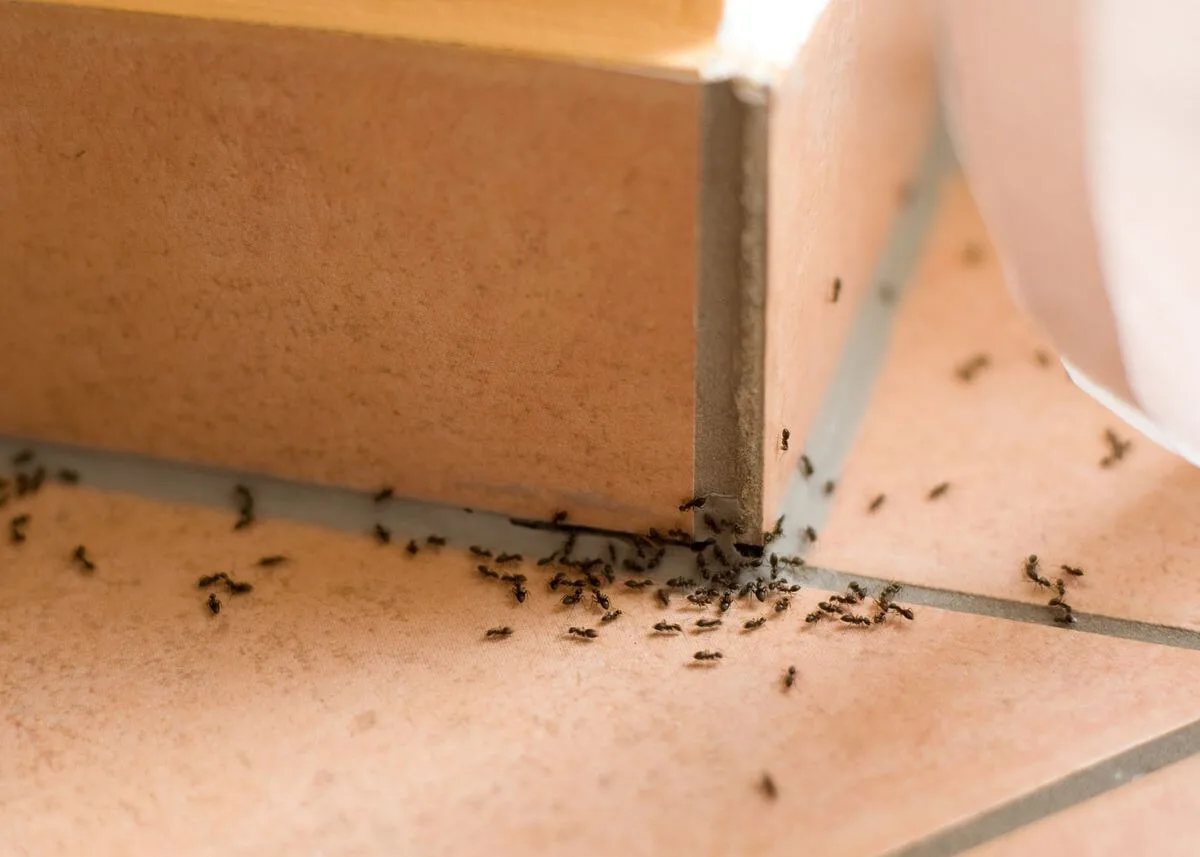
Recognising early warning signs can help property owners address an infestation before it becomes more difficult to manage. One of the most noticeable indicators is a line of ants travelling between a crack, wall opening, or other entry point and a food source. These trails often become more active when ants find something they can carry back to their colony.
Small groups of ants around sinks, countertops, cupboards, pet food bowls, and rubbish containers may indicate that the insects have discovered accessible food or moisture. Repeated sightings in the same location suggest that the problem may extend beyond a few wandering ants.
Carpenter ant activity may involve larger ants, discarded insect wings in some circumstances, or small piles of material resembling wood shavings near wooden structures. These signs deserve further inspection, particularly when the property also has damp timber or previous moisture damage.
Outdoor warning signs include ant mounds near foundations, activity between paving stones, and repeated trails along exterior walls. Although outdoor colonies do not always indicate an indoor infestation, they can provide clues about where ants may be entering a building.
When ant activity continues despite regular cleaning and basic prevention, a more detailed inspection can help identify hidden nesting areas and the conditions supporting the colony.
Why Ants Enter Homes and Commercial Buildings
Food availability is one of the main reasons ants enter buildings. Crumbs beneath appliances, uncovered food containers, sugary spills, and unwashed dishes can attract worker ants. Even small amounts of residue may provide enough nourishment to encourage repeated visits.
Moisture is another important factor. Leaking pipes, condensation, damp basements, and poorly ventilated storage areas can create favourable conditions for some ant species. Repairing plumbing problems and improving ventilation can reduce the appeal of these spaces.
Structural openings also make entry easier. Small gaps around utility lines, damaged weather stripping, loose window screens, and cracks near foundations may provide access to indoor areas. Ants can exploit openings that are difficult to notice without a careful inspection.
Outdoor landscaping may contribute to the problem when branches touch the building, vegetation grows close to exterior walls, or firewood is stored directly against the structure. These conditions can provide ants with sheltered routes and convenient access to potential nesting locations.
Understanding why ants are entering a property allows homeowners and businesses to focus on long-term prevention rather than repeatedly addressing the insects they can see.
Professional Ant Control Richmond Hill Services
Professional ant control Richmond Hill services can help property owners manage persistent ant activity through inspection, identification, targeted treatment, and preventive recommendations. A suitable approach begins with understanding the extent of the problem and the conditions contributing to it.
During an inspection, a pest control professional may examine kitchens, bathrooms, basements, utility rooms, exterior foundations, window frames, and other areas where ant activity has been observed. The inspection can also help locate possible entry points, moisture sources, and nesting areas.
After identifying the likely ant species and assessing the property, the professional can recommend an appropriate control strategy. Depending on the circumstances, this may involve carefully placed baits, targeted applications, monitoring, exclusion measures, or a combination of these methods.
Baits can be useful because worker ants may carry the material back to other members of the colony. However, effectiveness depends on the ant species, the product used, and whether competing food sources are available. Some treatments take time to work, and placing products incorrectly can reduce their effectiveness.
Professional guidance is particularly valuable when ants repeatedly return, colonies appear to be located inside walls, or carpenter ant activity raises concerns about damp or damaged wood. A qualified provider can explain the treatment process, any necessary precautions, and the recommended steps for reducing future activity.
The Importance of Identifying the Ant Species
Accurate identification is an essential part of successful ant management. Different species have different nesting habits and feeding preferences, meaning that a method that works well for one type may be less effective for another.
For example, sweet-food baits may attract certain ants, while other species may prefer protein or greasy food sources. Preferences can also change according to the colony's needs and the time of year. Selecting an appropriate bait therefore requires observation and, in some cases, professional assessment.
Nesting behaviour also influences treatment decisions. Some ants establish colonies outdoors and enter buildings to forage, while others may nest within wall voids, insulation, or damp wooden components. Treating a visible trail without investigating its source may provide only temporary relief.
When selecting an ant control service in Richmond Hill, property owners should look for a provider that explains its inspection process, treatment recommendations, safety measures, and follow-up procedures. Clear communication helps ensure that the selected approach matches the actual problem.
Practical Ways to Prevent Ant Infestations
Prevention is a valuable part of any ant management plan. Keeping food in tightly sealed containers, wiping countertops regularly, and cleaning spills promptly can reduce the resources that attract ants. Particular attention should be given to sugary drinks, baking ingredients, fruit, and pet food.
Rubbish bins should have secure lids and be emptied regularly. Food waste should not accumulate around indoor or outdoor containers, and recycling items should be rinsed when necessary to remove sticky residue.
Water management is equally important. Repair leaking taps and pipes, check areas beneath sinks, and address moisture problems in basements and crawl spaces. Improving drainage around the foundation can help reduce damp conditions that may attract certain ant species.
Sealing gaps around doors, windows, utility penetrations, and foundation openings can make entry more difficult. Damaged screens and worn door seals should also be repaired. Exterior caulking and weatherproofing can provide additional protection when appropriate for the building.
Outside, keep shrubs and tree branches trimmed away from walls and roofs. Store firewood away from the building and elevate it where practical. Remove decaying wood and fallen branches from areas immediately surrounding the property, particularly if carpenter ants are a concern.
These preventive measures cannot guarantee that ants will never appear, but they can significantly reduce the opportunities for ants to enter and establish themselves indoors.
Ant Control for Richmond Hill Businesses
Ant infestations can create particular challenges for businesses, especially restaurants, cafés, grocery stores, offices, warehouses, and other premises where cleanliness is essential. Customers and employees may lose confidence when ants appear near food preparation areas, reception desks, storage shelves, or washrooms.
Commercial properties often have multiple entry points and areas that are difficult to inspect during normal operations. Deliveries, shared walls, waste storage, and frequent door openings can increase the opportunities for pests to enter.
A commercial ant control programme should reflect the property's layout, daily activities, and sanitation requirements. Inspection schedules, monitoring, targeted treatments, and clear staff procedures can help businesses manage ant activity while minimising disruption.
Food-related businesses should pay particular attention to storage practices, cleaning schedules, waste management, and the condition of drains and service areas. Employees should report recurring ant trails promptly instead of relying solely on surface cleaning.
Professional pest management can also help businesses document inspections and treatment recommendations. Any treatment around food, equipment, or occupied work areas should follow applicable product directions and relevant safety requirements.
Choosing the Right Ant Control Provider
Selecting an appropriate pest control provider is an important decision when ant activity becomes persistent. Property owners should consider the provider's experience with the relevant ant species, inspection methods, treatment options, and approach to prevention.
A reliable service should explain what it has found, why the proposed treatment is suitable, and what the customer can reasonably expect after the visit. It should also discuss any preparation requirements, precautions for children and pets, and instructions for the period following treatment.
Ask whether follow-up inspections or monitoring may be necessary. Some infestations require more than one visit, especially when colonies are difficult to locate or environmental conditions continue to attract ants. A clear service plan can help customers understand the steps involved.
It is also helpful to choose a provider that considers sanitation, moisture control, and structural exclusion alongside treatment. Addressing these underlying conditions may improve long-term results and reduce the likelihood of repeated infestations.
Rather than choosing a service based only on price, compare the inspection process, communication, suitability of the proposed methods, and quality of the preventive guidance offered.
Safe and Responsible Ant Management
Ant treatments should always be used carefully and according to their labels. Products intended for one setting may not be appropriate for another, and incorrect application can expose people, pets, or non-target organisms to unnecessary risks.
Keep pest control products in their original containers and store them securely. Do not apply products to food preparation surfaces unless the label specifically permits that use. Follow all instructions concerning ventilation, re-entry, cleaning, and contact with treated areas.
Baits should be positioned where the target ants can access them while children and pets cannot. Avoid placing them directly beside competing food sources, and do not mix different products unless the label or a qualified professional specifically recommends doing so.
Responsible ant management also includes preventing conditions that encourage colonies to return. Regular cleaning, moisture repairs, appropriate waste disposal, and sealing entry points can complement professional treatments and reduce the need for repeated intervention.
Long-Term Ant Prevention in Richmond Hill
Long-term success depends on consistent monitoring and practical property maintenance. Seasonal inspections can help identify new ant trails, damaged seals, moisture accumulation, and outdoor nesting activity before these issues develop into larger problems.
Homeowners should pay attention to recurring activity rather than assuming that every sighting represents a major infestation. A few outdoor ants may be part of normal environmental activity, but persistent trails inside a building deserve closer attention.
After professional treatment, follow the provider's recommendations and avoid disturbing bait placements unless instructed. Continue to monitor the areas where ants were previously active, and report any returning activity so the strategy can be reassessed if necessary.
Property managers can benefit from maintaining records of sightings, maintenance work, and pest control visits. This information can reveal recurring patterns and help identify structural or environmental factors that need attention.
Combining early detection, appropriate treatment, and regular preventive care offers a practical way to maintain a cleaner and more comfortable property throughout the year.
Conclusion
Ant control Richmond Hill is about more than removing visible insects. Effective management requires understanding ant behaviour, identifying entry points, reducing access to food and moisture, and selecting treatment methods suited to the species involved. Whether ants are appearing in a family kitchen, a basement, a garden, or a commercial building, early action can help prevent a minor nuisance from becoming a persistent problem.
By maintaining clean indoor spaces, repairing moisture issues, sealing structural openings, and seeking professional help when necessary, property owners can reduce ant activity and protect their surroundings. A well-planned combination of inspection, targeted control, and ongoing prevention provides a practical foundation for keeping Richmond Hill homes and businesses more comfortable and less attractive to unwanted ants.