
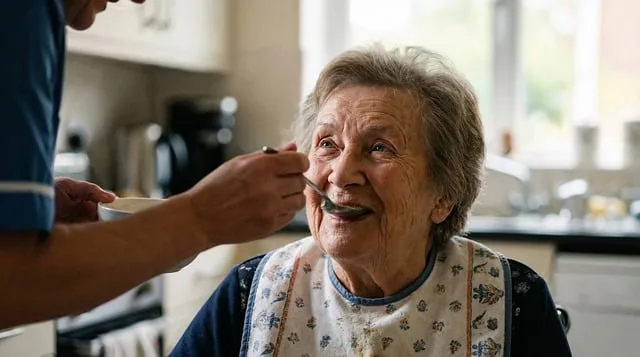
Alzheimer's disease can gradually change how an older adult remembers people, manages familiar tasks, communicates, and responds to their surroundings. For families in Sarasota, keeping a loved one at home may remain an important priority, but providing the right support can become increasingly challenging as everyday needs change.
Alzheimer's care at home can help create a more predictable and supportive environment without unnecessarily removing an older adult from familiar surroundings. Consistent assistance with daily routines, personal care, meals, safety, and companionship can make home life more manageable for both the individual and their family.
The approach should always be centered on the person rather than the diagnosis. Familiar preferences, established routines, personal history, and individual abilities can all help shape an appropriate care arrangement.
Familiarity Can Make Daily Life Easier
A familiar home contains sights, sounds, objects, and routines that an older adult has known for years. Remaining in that environment can provide continuity when other aspects of life are becoming less predictable.
A caregiver can help maintain familiar routines by keeping frequently used belongings in consistent places and following recognizable patterns throughout the day. Breakfast, personal care, activities, rest, and bedtime can occur at roughly familiar times when that works for the individual.
Predictability does not mean every day has to be identical. Instead, it provides a framework that can make transitions less confusing while still leaving room for personal choices.
Communicating With Someone Who Has Alzheimer's
As Alzheimer's progresses, conversations may become more difficult. An older adult may forget recent information, repeat questions, struggle to find words, or misunderstand what someone is saying.
Caregivers can make communication easier by speaking calmly, using straightforward language, and allowing enough time for the person to respond. Breaking activities into smaller steps may also help when a task involves several instructions.
Correcting every forgotten detail is not always necessary. What matters most in many everyday interactions is maintaining a respectful conversation and avoiding unnecessary frustration.
The person's preferences should remain important. Offering simple choices, such as selecting between two outfits or deciding what to have for breakfast, can help preserve a sense of control.
Assistance With Personal Care
Alzheimer's can affect a person's ability to remember or organize familiar personal-care tasks. Someone may forget to bathe, become confused while dressing, or need additional guidance when completing a grooming routine.
At-home caregivers can assist with bathing, dressing, toileting, grooming, oral hygiene, and other daily activities. Assistance can be adjusted according to the person's abilities.
Maintaining dignity is particularly important during personal care. Whenever possible, the senior should be encouraged to participate in the task rather than having every step completed for them.
A familiar sequence can also help. Using the same general order for morning hygiene or getting dressed may make the routine easier to recognize.
Supporting Meals and Hydration
Food preparation can become difficult when memory and concentration change. An older adult may forget to prepare a meal, lose track of mealtimes, or become distracted while eating.
A caregiver can help maintain regular meal routines and provide reminders about drinking fluids. Preparing familiar foods and keeping mealtimes calm may make eating a more comfortable experience.
If a senior develops significant changes involving appetite, swallowing, weight, hydration, or other health concerns, those issues should be addressed with the appropriate healthcare professional.
Caregivers can support established dietary routines but should not independently create or change medically prescribed diets.
Creating a Safer Home Environment
Safety becomes an important consideration when Alzheimer's affects memory, judgment, or spatial awareness.
A caregiver can help maintain clear pathways, reduce unnecessary clutter, and keep commonly used items accessible. Consistency in the arrangement of furniture and household objects can also make familiar rooms easier to navigate.
Some individuals with Alzheimer's may wander or attempt to leave the home unexpectedly. Families should consider the person's individual risks and discuss appropriate safety measures with healthcare professionals and other members of the care team.
Supervision can provide another layer of support during periods when confusion or disorientation is more likely.
Sarasota Weather and Outdoor Routines
Sarasota's warm climate can influence how an older adult's day is organized. Hot and humid conditions may make extended outdoor activity uncomfortable, particularly for seniors who are more sensitive to heat.
A caregiver can help plan outdoor activities at more suitable times and encourage appropriate hydration. When weather conditions are less comfortable, indoor alternatives can keep the day active without unnecessary exposure to heat.
Simple activities such as listening to music, looking through family photographs, folding laundry, working on a familiar craft, or sitting together with a favorite book can provide structure indoors.
Meaningful Activities Without Pressure
Activities for someone with Alzheimer's do not need to be complicated. The most useful activities are often those connected to the person's previous interests and abilities.
Someone who spent years gardening may enjoy sorting seeds or tending to a few plants. A former cook might enjoy helping with simple food preparation. Someone who enjoyed music may respond positively to familiar songs.
The activity should match the person's current abilities. If something becomes frustrating, it can be changed rather than treated as a task that must be completed.
The purpose is participation and engagement, not performance.
Maintaining Family Connections
Alzheimer's care Sarasota FL can affect the entire family. Relatives may find themselves balancing work, children, household responsibilities, and the changing needs of an aging parent.
An in-home caregiver can provide support during periods when family members cannot be present. This can allow relatives to remain involved without having to manage every aspect of the person's daily routine themselves.
Regular communication between family members and caregivers can be helpful. Information about preferred foods, familiar activities, routines, communication habits, and recent changes can help everyone provide more consistent support.
Care Needs May Change Over Time
Alzheimer's is progressive, which means the type and amount of assistance required may change. A person who initially needs help with reminders and household routines may later require greater assistance with bathing, dressing, meals, mobility, or supervision.
Families should therefore view a care plan as something that can be reassessed rather than a permanent arrangement.
Changes in behavior, mobility, communication, or daily functioning should be communicated to the appropriate healthcare professionals. Caregivers can provide valuable observations about everyday routines, but medical decisions should remain with qualified healthcare providers and the individual's care team.
Preserving Dignity at Home
Good Alzheimer's care is not simply about keeping an older adult safe. It is also about preserving the person's identity and dignity as their abilities change.
Familiar routines, respectful communication, meaningful activities, and appropriate assistance can help an individual continue participating in daily life. At the same time, reliable support can give families greater confidence that their loved one is not facing each day without help.
For families searching for Alzheimer's care in Sarasota, FL, an individualized home-care approach can provide practical assistance while maintaining the comfort and familiarity of home. The right level of support can evolve alongside the person's needs, helping families create a daily routine that is safer, calmer, and centered on the individual.