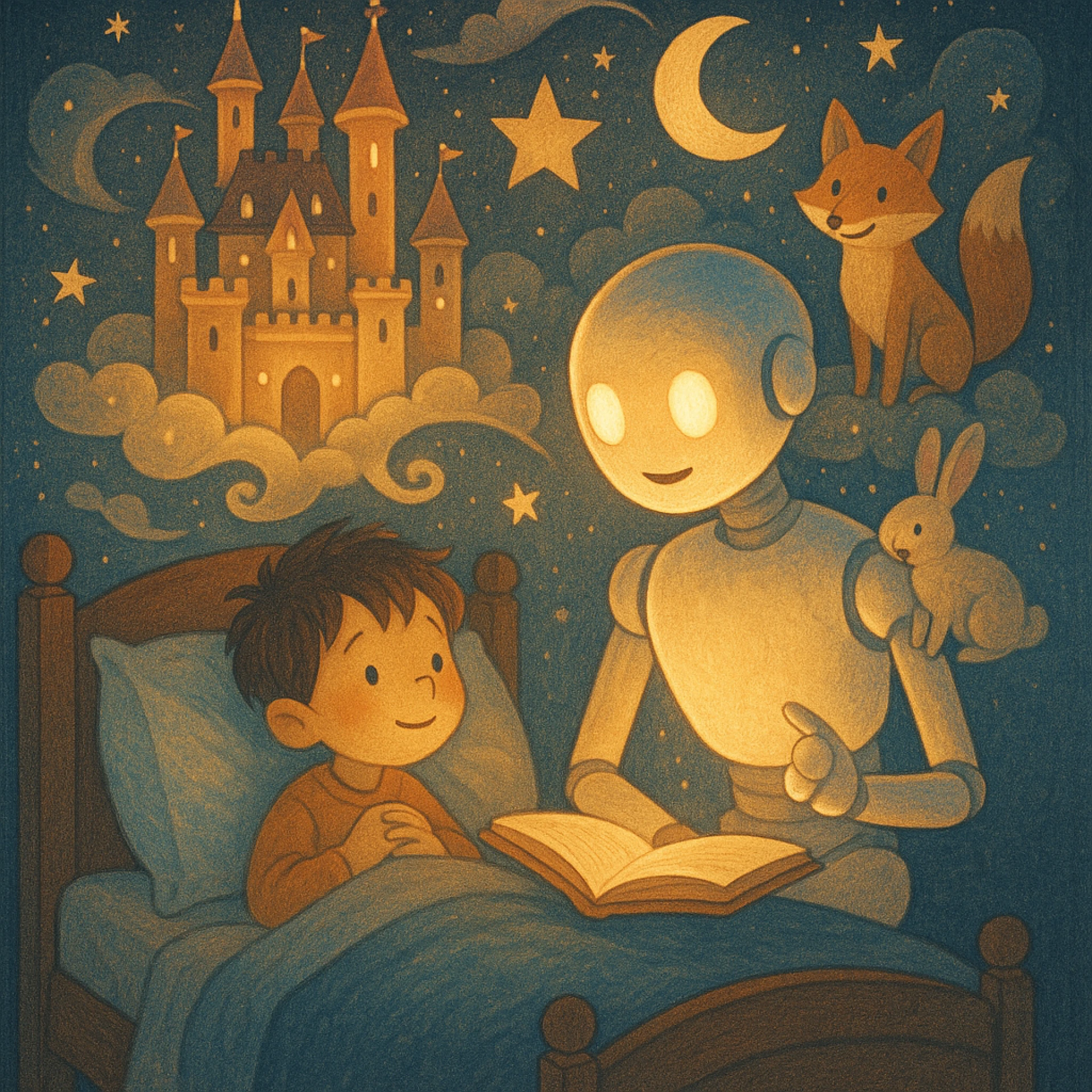
In a world where technology shapes nearly every aspect of our lives, the art of storytelling has taken a fascinating turn. Once limited to bedtime tales shared by parents, storytelling now finds a new voice through Artificial Intelligence. AI storytelling for kids is transforming how children learn, imagine, and connect with stories, while also redefining the bond between parents and their children. It isn’t just about replacing a human storyteller — it’s about enhancing the entire storytelling experience through interaction, personalization, and education.
For parents navigating the demands of modern life, AI-powered storytelling tools offer a meaningful way to provide their children with engaging, age-appropriate stories anytime, anywhere. The evolution of AI storytelling is creating a new era of parenting that blends the warmth of human imagination with the adaptive intelligence of technology.
The Evolution of AI in Storytelling
Traditional storytelling has always been an essential part of childhood. Stories nurture imagination, teach values, and strengthen emotional connections. However, the way stories are told has changed dramatically over the past few decades. From illustrated books to animated shows and audiobooks, each era has brought a new dimension to the experience.
AI storytelling represents the next major shift. Unlike static stories, AI-generated tales adapt based on a child’s age, preferences, and interests. This dynamic approach encourages curiosity and allows every child to experience a unique narrative journey. Parents can now rely on AI story generators to create bedtime stories tailored to their child’s mood — be it a space adventure, a fairy tale, or a story about friendship and kindness.
Why AI Storytelling Matters for Children
AI storytelling is not just a trend — it’s an educational revolution. By merging creativity with adaptive technology, AI storytellers are helping children become more engaged learners and imaginative thinkers.
- Boosts Creativity: Interactive story sessions prompt kids to choose actions, characters, or endings, encouraging creative thinking and decision-making.
- Improves Language Skills: AI stories often introduce new vocabulary and sentence patterns in context, helping children build language skills naturally.
- Enhances Emotional Intelligence: Many AI storytelling platforms are designed to teach empathy, patience, and problem-solving through moral-driven storylines.
- Promotes Active Learning: Instead of passively listening, children engage with the story through choices and responses, which maintain their interest longer.
- Encourages Reading Habits: AI storytelling often inspires kids to explore reading as they develop curiosity about different story themes and outcomes.
The Role of Parents in AI Storytelling
Parents remain at the heart of storytelling — even in the AI era. The interactive nature of AI story platforms allows parents to participate rather than simply observe. For busy parents, AI storytelling tools can bridge the gap between work and quality bonding time. Instead of spending hours searching for new storybooks or inventing tales on the spot, parents can collaborate with AI to create customized stories that match their child’s personality and developmental needs.
For example, a parent might enter prompts like “a 6-year-old girl who loves dinosaurs and wants to be an explorer,” and the AI storyteller crafts an engaging story around that. This co-creation turns storytelling into a shared activity rather than a solitary experience.
Moreover, parents can use these AI platforms as teaching assistants — integrating lessons about empathy, environmental awareness, or confidence — through stories that are age-appropriate and emotionally resonant.
Building Connection Through Story Personalization
Personalization is one of the most powerful aspects of AI storytelling. Children naturally connect more deeply with stories that reflect their experiences, interests, and cultural backgrounds. AI storytellers can create stories where the child becomes the hero, sidekick, or even a problem-solver in adventures designed specifically for them.
This approach has profound psychological benefits. When kids see themselves represented in the narrative, they feel valued, confident, and capable of shaping their own world. Parents can then use these stories as conversation starters about emotions, friendships, or real-world challenges.
Imagine a personalized story about a child who overcomes fear to learn swimming or makes peace with a friend after an argument. These tailored tales build emotional resilience, transforming storytelling into a powerful parenting tool.
Parenting in the Digital Storytelling Age
Modern parenting involves balancing screen time with meaningful screen use. AI storytelling aligns with conscious digital parenting because it focuses on interaction and imagination rather than passive consumption.
Unlike traditional digital content that encourages passive watching, AI storytellers foster two-way communication. They listen to a child’s responses, adapt the narrative, and keep the story dynamic. This engagement can improve attention span and communication skills — two critical areas in child development.
For parents, these tools also provide insights into their child’s interests and emotional state. Many AI storytelling platforms offer feedback loops, showing how children interact with stories, which themes they love most, or what lessons resonate with them. This data can help parents choose better learning experiences and understand their children’s emotional needs.
Moreover, AI storytelling helps parents reconnect with the lost art of bedtime storytelling in a modern way. Whether at home, on a trip, or during quiet weekends, families can share memorable story sessions guided by creativity and technology.
The Future of AI Storytelling
The next decade promises incredible advancements in AI storytelling. Future tools will likely combine voice recognition, emotional tone detection, and real-time translation to make storytelling even more immersive and inclusive. Children may one day converse with digital story characters in their own languages or help shape stories through creative choices in augmented reality environments.
These innovations aim to make storytelling not just about listening but about co-creating — a shared experience that blurs the line between reader and character. For parents, this opens a new realm of possibilities in fostering creativity, critical thinking, and compassion.
Introducing ZoodleMe: The AI Storyteller for Modern Parents
Among the new generation of AI storytelling platforms, ZoodleMe AI Storyteller stands out as a vibrant companion for kids aged 3 to 12. ZoodleMe’s AI storyteller is designed to bring joy, imagination, and learning together in a safe and interactive environment. Parents can simply enter their child’s preferences or choose topics like friendship, kindness, or adventure, and the AI instantly crafts personalized stories enriched with positive lessons and engaging characters.
ZoodleMe Storytelling app helps parents turn everyday moments into storytelling opportunities. Whether it’s bedtime, travel time, or a quiet afternoon, ZoodleMe transforms brief interactions into magical story sessions that spark curiosity and learning. Its intelligent storytelling engine ensures every story aligns with age-appropriate themes while promoting creativity, empathy, and fun.
AI storytelling isn’t about replacing parental storytelling — it’s about making it smarter, warmer, and more personal. With platforms like ZoodleMe, parents can nurture both the imagination and emotional growth of their children, empowering them to dream big and think boldly in a technology-driven world.