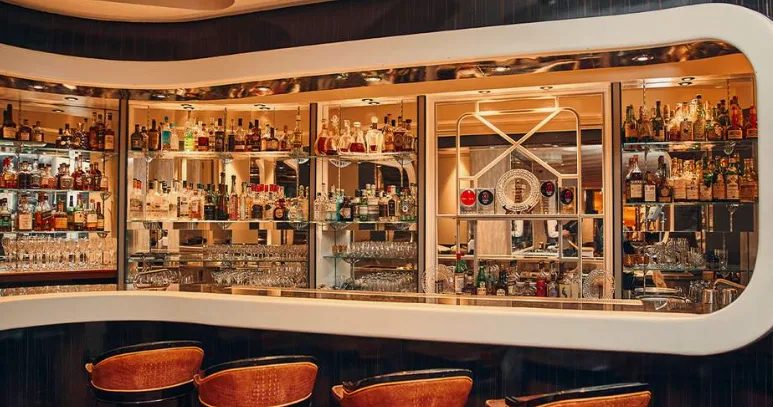
A party can look finished on paper and still feel unfinished in the room.
The venue is booked. The flowers are arranged. The playlist is ready. Guests arrive dressed for the moment. Then, ten minutes in, everyone starts asking the same quiet question: “Where do we get drinks?”
That is where many events begin to show their planning gaps. Not because the host forgot beverages, but because the bar choice did not match the event. Some gatherings need a simple station with mixers, garnishes, and bartender support. Others need a complete beverage service with alcohol sourcing, menu planning, tools, staffing, and a polished setup.
That is the heart of dry bar vs full bar planning. It is not about which option is “better.” It is about which one fits the guest list, venue rules, budget, timeline, and kind of atmosphere the host wants to create.
Key Takeaways
- A dry bar gives the host more control, but also more responsibility.
- A full bar can reduce planning work and support a smoother guest flow.
- Guest count, venue rules, drink variety, and alcohol handling matter most.
- The best choice is the one that keeps the event easy, safe, and enjoyable.
What Does Each Bar Mean?
A dry bar usually means the bar company provides the setup, tools, mixers, garnishes, and service staff while the host provides the alcohol. A full bar usually means the beverage provider handles a more complete drink service, which may include alcohol planning, bar setup, drink preparation, service flow, and cleanup.
The difference sounds small until planning begins.
With a dry bar, the host often decides what alcohol to buy, how much to purchase, where to store it, how it reaches the venue, and what happens to leftovers. With a full bar, more of that work may be handled through the service provider, depending on local rules, license requirements, and package details.
In California, alcohol service can also involve legal and venue requirements. The California Department of Alcoholic Beverage Control explains that certain caterer permit holders must receive authorization from ABC for each catered event where alcohol is sold or served under that permit.
That is why the bar decision should never be based only on looks. The setup may be beautiful, but the real value is in the planning behind it.
Why Bar Choice Shapes Events
People often remember the drink line more than the drink itself.
A slow bar can make guests feel stuck. A confusing setup can send people asking staff where to go. A menu with too many choices can delay every order. A menu with too few choices can leave half the room uninterested.
The bar becomes a social crossing point. Guests meet there. They pause there. They take photos near it. They use it as a reset between speeches, dinner, dancing, and conversations.
That is why dry bar vs full bar planning should start with the guest experience, not just cost. A host should ask: Will guests need quick service? Will the event feel casual or formal? Will there be mocktails? Will the bar need to match a theme? Will the host have time to manage alcohol buying before the event?
For a city like San Jose, the decision also reflects the size and variety of the local event market. The U.S. Census Bureau estimated San Jose’s population at 997,368 as of July 1, 2024, which points to a large community with many types of private, social, and business gatherings.
Big city planning often means more venue policies, more guest expectations, and less room for last-minute guessing.
When Should You Choose Dry?
A dry bar can work beautifully when the host wants control.
Maybe the host already has a favorite tequila, a local wine connection, or a family preference for certain spirits. Maybe the event is smaller, and the drink list is simple. Maybe the venue allows the host to bring alcohol as long as licensed or trained service staff handle pouring.
Dry bar service can also feel smart when the host wants a personal drink menu without paying for a complete beverage package. The service team may bring the mobile bar setup, bartending tools, fresh mixers, glassware guidance, garnishes, and serving support, while the host buys the alcohol separately.
Dry bars often fit:
- Small weddings with a limited drink menu
- Private parties with host-supplied alcohol
- Backyard celebrations with simple beverage needs
- Events with a signature cocktail focus
- Gatherings where the host wants more buying control
The tradeoff is time. Someone must plan quantities, transport bottles, chill drinks, confirm venue policies, and handle leftovers. If that person is also the host, the “simple” option can become a long checklist.
When Does a Full Bar Fit?
A full bar is often the better choice when the host wants fewer moving parts.
This option makes sense for larger weddings, corporate receptions, formal celebrations, festivals, and events with a broad guest list. It can support guests who want cocktails, wine, beer, mocktails, sparkling pours, and classic mixed drinks without forcing the host to manage every detail.
A full bar may also help when appearance matters. A polished bar setup can match the event style, while professional bartenders manage pacing, drink quality, guest questions, and bar cleanliness.
A full bar often fits:
- Larger guest counts
- Corporate events with formal flow
- Weddings with a cocktail hour
- Festivals or public-facing gatherings
- Events needing mocktails and alcoholic drinks
- Hosts who want less personal coordination
The most important benefit is not simply convenience. It is consistency. Guests get a clearer menu, the bar team knows what is being served, and the host can focus on the room instead of the supply table.
How Do Costs Really Compare?
Dry bars are often seen as the budget-friendly route, but that is not always true once every detail is counted.
The host may still need alcohol, mixers, ice, garnishes, cups, napkins, straws, coolers, delivery, cleanup support, and staff. A lower service quote can grow once the missing pieces are added back in.
A full bar can look larger at first because more is included. Yet it may save planning time, reduce shopping mistakes, and prevent overbuying. For hosts who value ease, that can be worth the difference.
Here is the honest way to compare both choices:
Planning FactorDry Bar Works Best WhenFull Bar Works Best WhenCommon MistakeGuest countThe group is smaller or more predictableThe guest list is larger or mixedBuying too little alcoholDrink menuDrinks are simple and limitedGuests expect varietyOffering too many choicesHost involvementThe host wants controlThe host wants less workIgnoring hidden tasksVenue rulesOutside alcohol is allowedProvider support is requiredNot checking policies earlyEvent styleCasual or personal gatheringFormal or polished occasionChoosing only by priceThe best value is not always the cheapest line item. It is the option that protects the host’s time, the guest’s comfort, and the flow of the event.
What Do Hosts Often Miss?
Most bar planning mistakes happen before the first drink is poured.
The host may focus on the cocktail names and forget the line length. They may buy alcohol, but not enough ice. They may choose five signature drinks, then realize each one takes too long to make. They may plan only alcoholic options and forget guests who do not drink.
Here is a practical checklist before choosing:
- Confirm what the venue allows.
- Decide who provides alcohol.
- Choose the number of drink options.
- Plan mocktails or alcohol free choices.
- Estimate guest count and service time.
- Ask who handles setup and cleanup.
A thoughtful bar plan keeps the event from feeling rushed. It also gives bartenders the structure they need to serve well.
How Can Menus Stay Simple?
The best event menus are usually not the longest ones.
A good bar menu gives guests enough choice without turning each order into a conversation. For many parties, two signature cocktails, one sparkling option, one wine option, one beer option, and one strong mocktail can feel more useful than a full list of every possible drink.
The menu should match the event. A garden wedding may call for citrus, herbs, bubbles, and light flavors. A corporate evening may lean toward classics, wine, and alcohol free drinks that still feel grown up. A birthday party may welcome color, fun names, and something guests want to photograph.
This is where custom drink planning helps. The drink does not need to be complicated to feel special. It only needs to fit the moment.
What About Mocktails And Guests?
A strong bar plan includes people who are not drinking alcohol.
Mocktails are no longer an afterthought. They can serve guests who are driving, expecting, avoiding alcohol, attending a work event, or simply wanting something lighter. A good mocktail looks and feels like part of the celebration rather than a backup choice.
For dry bar planning, this means buying quality mixers, fruit, herbs, sparkling water, and garnishes with the same care as spirits. For full bar planning, it means asking the provider for non alcoholic options that are thoughtful, not plain.
A good alcohol free menu also helps the host avoid awkward moments. Guests should not have to explain why they are skipping alcohol. They should be able to order something good and rejoin the party.
What Most People Get Wrong
The biggest misunderstanding is thinking the bar is only about drinks.
It is really about timing, comfort, safety, and atmosphere. A bar can help people relax into the event, or it can create friction. A good setup tells guests where to go, what to order, and how the event feels.
Do this:
- Keep the menu clear.
- Match drinks to the event mood.
- Plan alcohol free options.
- Ask about service staff and tools.
- Confirm rules before buying anything.
Do not do this:
- Choose only by the lowest price.
- Build a menu that slows service.
- Forget ice, storage, or cleanup.
- Assume every venue has the same rules.
- Leave drink planning until the final week.
Small choices create big differences once guests arrive.
A Familiar Event Scenario
Imagine a private celebration with eighty guests, a beautiful outdoor space, and a host who wants the party to feel relaxed but still polished.
With a dry bar, the host may buy a few spirits, wine, mixers, and garnishes. The bar team arrives with tools and staff. The event feels personal, but the host must plan quantities, transport alcohol, and manage leftovers after the party.
With a full bar, the host may hand over more of the beverage planning. The service provider can help shape the menu, prepare the setup, staff the bar, and keep the drink flow steady. The event may cost more upfront, but the host spends less time thinking about bottles, coolers, and backup supplies.
Neither choice is wrong. The right choice depends on how much planning the host wants to carry.
How Should You Decide?
Use a simple four-part filter: control, complexity, comfort, and compliance.
Control means deciding how much the host wants to personally choose and buy. Complexity means looking at guest count, menu size, and venue needs. Comfort means asking what will make the host and guests feel relaxed. Compliance means checking venue and local alcohol service requirements before making assumptions.
For smaller, personal, host-led gatherings, a dry bar may be enough. For larger, formal, or more detailed events, a full bar may provide the structure the room needs.
This is the clearest way to settle dry bar vs full bar decisions: choose the option that removes the most pressure without taking away the feeling the host wants.
Dry Or Full, Choose With Care
A good event bar does not need to be complicated, but it does need to be chosen with care. The right setup supports the guest list, the venue, the menu, and the mood of the celebration. When comparing a dry bar vs full bar, the best answer is the one that lets the host stay present while guests feel looked after. The Rolling Shaker supports this kind of planning through mobile bar service, fresh beverage products, custom drink planning, and professional hospitality for parties of all sorts.
FAQs
What makes a good event bar setup?
A good setup is easy to find, quick to order from, clean in presentation, and matched to the event's mood. It should also include clear drink choices and alcohol free options.
What are the best practices for planning drinks?
Start with the guest count, venue rules, drink menu, service time, and cleanup needs. Then decide whether the host wants to supply alcohol or rely on full-service support.
What trends are shaping event bars?
Personalized cocktails, stylish mobile setups, mocktail menus, themed drink stations, and smaller curated menus are becoming more common at private and social events.
How to choose the right bar service?
Look at the size of the event, the level of formality, the amount of planning help needed, and whether the venue has specific alcohol service rules.
When to hire professional bartenders?
Hire professional bartenders when the guest count is large, the menu includes mixed drinks, alcohol service needs oversight, or the host wants smoother pacing and cleaner presentation.