The Quiet Revolution: A Classroom in 2026
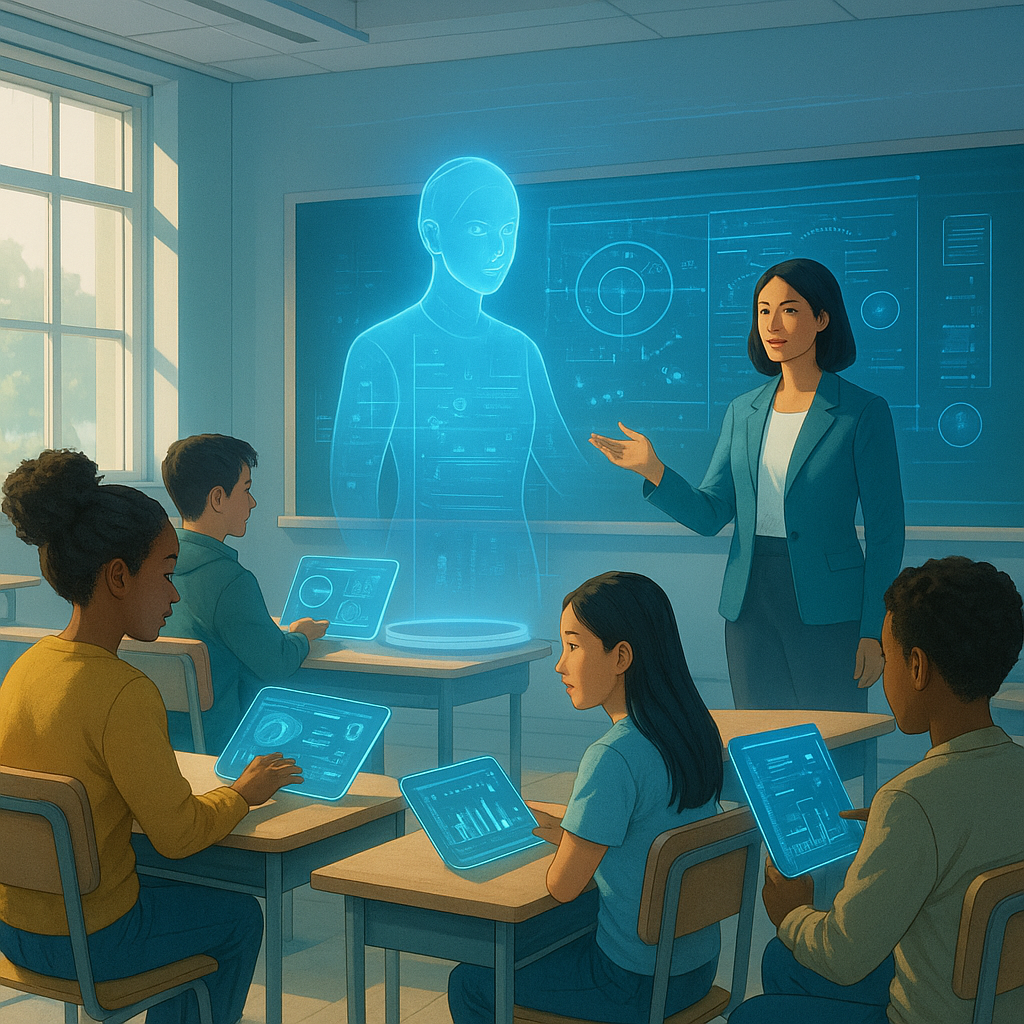
Imagine a high school in 2026 where students no longer sit passively behind desks but engage dynamically through personalized AI tutors guiding their learning paths. In a bright, open room, a student adjusts a virtual reality headset while another collaborates remotely with peers across continents, all within the same lesson. This scene is not science fiction; it’s an emerging norm. The education sector, traditionally slow to change, is now witnessing a quiet revolution driven by technology, shifting philosophies, and global demands. According to recent reports, over 70% of schools in OECD countries have integrated AI-driven learning platforms, while hybrid classrooms blending in-person and remote learning have become mainstream.
This transformation is unfolding against a backdrop of rapid technological innovation and evolving societal expectations. The pandemic years accelerated digital adoption, but the trends of 2026 demonstrate much deeper structural shifts: from curricula designed around rote knowledge to those emphasizing critical thinking, creativity, and lifelong learning. These changes are not merely technological upgrades but signal a paradigm shift in how education is delivered and experienced.
“The future of education lies in customization, connectivity, and competency,” notes Dr. Elise Morin, Chief Innovation Officer at EduTech Global. “We are moving beyond one-size-fits-all models to systems that adapt in real time to individual learner needs.”
Tracing the Path: From Traditional to Transformative
Historically, education systems centered on standardized curricula, fixed schedules, and uniform assessments. For decades, classrooms were places where knowledge was transmitted from teacher to student in a relatively rigid format. By the early 2020s, digital tools began supplementing traditional methods, but adoption was patchy and often superficial.
The COVID-19 pandemic from 2020 to 2022 acted as a catalyst, forcing schools worldwide to pivot overnight to remote learning. This disruption exposed glaring inequalities and technological gaps but also opened minds to new possibilities. By 2024, hybrid learning models were standardized in many countries. Simultaneously, investments in AI research, virtual reality (VR), and augmented reality (AR) for education surged.
These developments set the stage for 2026’s trends. The shift was not only technological but philosophical. The focus turned towards student agency, competency-based progress, and interdisciplinary approaches. According to UNESCO data, 60% of educational institutions globally have revised their curricula to incorporate problem-solving, emotional intelligence, and digital literacy by 2026.
Moreover, governments and private sectors collaborated more closely, recognizing education as a critical economic and social lever. Public-private partnerships funded innovation hubs, teacher training on new technologies, and digital infrastructure upgrades. This collaborative spirit marked a decisive break from the fragmented efforts of the past.
Core Trends Defining Education in 2026
Several distinct trends dominate the education landscape this year, converging to create a multifaceted transformation:
- AI-Driven Personalized Learning: Adaptive algorithms analyze student performance, learning styles, and interests to curate customized lesson plans that evolve continuously. Platforms like LuminoLearn and NeuralEd have become household names, boasting average learning gains of 25% compared to traditional methods, according to independent studies.
- Hybrid and Multimodal Classrooms: The fusion of in-person, remote, and VR-based learning environments allows unprecedented flexibility. Students can switch seamlessly between modes, ensuring accessibility and engagement. A survey by the World Education Forum found that 78% of students preferred hybrid models in 2026.
- Competency and Project-Based Assessments: Standardized testing is increasingly replaced by real-world projects assessed through portfolios and peer reviews. This shift aligns with employer demands for critical thinking and adaptability.
- Global Collaborative Learning Networks: Platforms enable students worldwide to collaborate on challenges, fostering intercultural competence and global citizenship. Initiatives like GlobalClass Connect have enrolled over 10 million students from 150 countries.
- Teacher Roles Evolving to Facilitators and Coaches: With AI handling routine instruction and assessment, educators focus on mentoring, emotional support, and fostering creativity. Teacher training programs have been revamped accordingly.
These trends are supported by robust data. For instance, the International Education Association’s 2026 report highlights a 30% increase in student engagement and a 20% reduction in dropout rates in schools implementing these innovations.
“Technology is an enabler, not a replacement,” emphasizes Professor Mark Talbot of the Institute for Future Learning. “The human element—empathy, inspiration, guidance—remains central to education’s success.”
2026 Milestones: New Developments and Innovations
This year, education technology companies and institutions have announced breakthroughs and initiatives accelerating these trends:
- AI-Powered Language Immersion: Platforms now offer real-time AI translation and cultural context coaching, enabling true multilingual classrooms. This has expanded language learning beyond traditional boundaries.
- Immersive VR Field Trips: Schools increasingly use VR to simulate visits to historical sites, scientific labs, or global ecosystems, making abstract concepts tangible and stimulating curiosity.
- Neurofeedback for Learning Optimization: Emerging tools monitor brain activity to adjust teaching strategies dynamically, enhancing focus and retention.
- Open-Source Curriculum Frameworks: Collaborative development of adaptable curricula allows educators worldwide to share best practices and localize content swiftly.
- Education Equity Initiatives: Governments have passed legislation mandating technology access for underserved communities, reducing digital divides.
These innovations are not limited to affluent regions. For example, a pilot program in Kenya’s Rift Valley integrates solar-powered tablets with AI tutors, showing promising results in literacy improvement. Meanwhile, in Scandinavia, hybrid educational hubs blend urban and rural student populations, fostering social cohesion.
Educational institutions are also embracing data privacy and ethical AI use as core principles. The International Coalition for Ethical EdTech, launched in 2025, reports over 200 signatories committed to transparent algorithms and student data protection.
Such developments underscore a maturation of the education technology ecosystem, reflecting lessons learned from earlier experimentation. The emphasis is now on sustainable, inclusive, and human-centered innovation.
Voices from the Field: Insights from Experts and Educators
Leading voices in education emphasize the complexity and promise of this era. Dr. Amina Patel, Director of the Global Education Initiative, highlights that “technology must be aligned with pedagogical goals and cultural contexts to realize its full potential.” Her team’s fieldwork confirms that local adaptation is critical to success.
Teachers, once apprehensive about technology replacing them, increasingly report enhanced job satisfaction as their roles evolve. Maria Gomez, a veteran educator in Mexico City, shares, “AI handles the routine drills, freeing me to focus on creativity and emotional support. My students are more engaged than ever.”
Industry analysts from EduFuture Consulting predict a surge in demand for hybrid education specialists, instructional designers, and AI ethics officers. They caution, however, that infrastructure disparities remain a challenge, particularly in low-income regions.
Policymakers are also grappling with balancing innovation and regulation. The European Education Council recently passed guidelines ensuring AI transparency and equitable access, setting a precedent for other regions.
“The real test is not technology adoption but how education systems embrace change holistically,” remarks Professor Liu Wei of Tsinghua University. “It requires collaboration among governments, educators, parents, and students.”
Looking Forward: What Educators and Stakeholders Should Watch
The trajectory of education in 2026 points toward several critical areas to watch in coming years:
- AI Ethics and Governance: As algorithms become more integral, transparent and fair AI practices will be paramount to maintaining trust and equity.
- Bridging the Digital Divide: Despite progress, unequal access threatens to exacerbate educational inequalities unless addressed through sustained policy and investment.
- Teacher Empowerment and Training: Continuous professional development to manage new technologies and pedagogies will be essential.
- Lifelong Learning Ecosystems: Education will increasingly blur the lines between formal schooling and continuous skill development across the lifespan.
- Global Collaboration vs. Local Needs: Finding balance between universal competencies and culturally relevant education will shape curricula innovation.
For parents, educators, and policymakers seeking to understand these shifts, resources such as TheOmniBuzz’s 9 Education Paradigms Redefining Learning in 2026 and Education in 2026: Transformations, Challenges, and the Road Ahead offer invaluable insights and practical guidance.
Ultimately, education in 2026 is no longer about simply transmitting knowledge but about cultivating adaptable, curious, and compassionate learners prepared for a complex, interconnected world.
Summary of Key Trends and Recommendations:
- Adopt AI tools that personalize learning while safeguarding privacy and ethics.
- Invest in hybrid classroom infrastructure to enhance flexibility and access.
- Empower educators through training focused on facilitation and emotional intelligence.
- Promote global learning networks balanced with local cultural relevance.
- Focus on competency-based assessments aligned with real-world skills.
As these trends continue to unfold, stakeholders must remain vigilant and collaborative to ensure that the promise of education technology translates into meaningful, equitable outcomes for all learners.