BSc Biotechnology is a popular undergraduate programme for students interested in biology, technology, healthcare, genetics and scientific research. The course combines biological sciences with modern technological applications to help students understand how scientific discoveries can be used in healthcare, agriculture, environmental management, food technology and other industries.
With the growing importance of biotechnology in research and innovation, a BSc Biotechnology degree can provide a strong foundation for higher education, research and diverse career opportunities.
What Is BSc Biotechnology?
BSc Biotechnology is an undergraduate science programme that focuses on the application of biological knowledge and technology. Students study living organisms, cells, genes, microorganisms and biological processes while learning how scientific techniques can be used to develop solutions for real-world challenges.
The programme generally combines classroom learning with practical laboratory sessions, experiments, assignments and project-based learning. This helps students develop both theoretical understanding and practical knowledge.
BSc Biotechnology Eligibility
Students interested in BSc Biotechnology generally need to complete Class 12 or equivalent from a recognised board with relevant Science subjects. The specific eligibility requirements may vary depending on the university and admission guidelines.
Students should check the following before applying:
- Completion of 10+2 or equivalent education
- Relevant Science subjects at the senior secondary level
- Meeting the minimum academic requirements specified by the institution
- Fulfilment of any additional admission criteria, where applicable
Students with an interest in Biology, Chemistry and scientific research may find Biotechnology a suitable undergraduate choice.
BSc Biotechnology Subjects
The curriculum of BSc Biotechnology may vary depending on the university and programme structure. However, students generally study a combination of biological sciences, chemistry, laboratory techniques and biotechnology-related subjects.
Common areas of study may include:
- Cell Biology
- Molecular Biology
- Genetics
- Microbiology
- Biochemistry
- Immunology
- Genetic Engineering
- Bioinformatics
- Plant and Animal Biotechnology
- Environmental Biotechnology
- Laboratory Techniques
Practical sessions are an important part of the course. Students may gain exposure to laboratory procedures, scientific observation, experimentation, data analysis and research-oriented activities.
Skills Developed During BSc Biotechnology
A BSc Biotechnology programme helps students develop several academic and professional skills. These may include:
- Scientific and analytical thinking
- Laboratory and experimental skills
- Research and observation abilities
- Data interpretation
- Problem-solving skills
- Knowledge of biological processes
- Technical understanding of biotechnology applications
- Communication and presentation skills
These skills can help graduates prepare for employment, higher studies and research opportunities.
Career Options After BSc Biotechnology
After completing BSc Biotechnology, graduates can explore opportunities in several sectors. Biotechnology applications are increasingly relevant to healthcare, pharmaceuticals, agriculture, food processing, environmental management and scientific research.
Potential career areas may include:
- Biotechnology laboratories
- Pharmaceutical companies
- Research institutions
- Healthcare and diagnostic laboratories
- Food and agricultural industries
- Environmental organisations
- Quality control departments
- Educational institutions
Depending on their skills and experience, graduates may explore roles such as Laboratory Assistant, Research Assistant, Quality Control Assistant, Biotechnology Technician and other related positions.
Students can also pursue postgraduate education, including MSc Biotechnology and other specialised science programmes. Higher education can help students develop advanced knowledge and prepare for research-oriented or specialised professional careers.
Future Scope of BSc Biotechnology
The future scope of BSc Biotechnology is connected to continuous developments in science, healthcare and technology. Biotechnology is used in areas such as drug development, genetic research, diagnostics, agriculture, environmental protection and food science.
Students who develop strong practical skills and pursue higher education may explore advanced opportunities in research and specialised industries. Areas such as molecular biology, bioinformatics, genetic engineering and pharmaceutical biotechnology continue to offer academic and professional possibilities.
The field also provides opportunities for students interested in research, innovation and scientific development. Combining a BSc degree with postgraduate education, certifications and practical experience can help students build a stronger career profile.
Why Choose BSc Biotechnology?
BSc Biotechnology can be a suitable option for students who are interested in Biology and want to understand the connection between science and technology. The programme offers exposure to multiple scientific disciplines and provides a foundation for careers in research, laboratories, healthcare, pharmaceuticals and related industries.
Students should consider their interests, academic strengths and long-term goals before choosing the programme. A strong interest in scientific learning and practical experimentation can help students make the most of their biotechnology education.
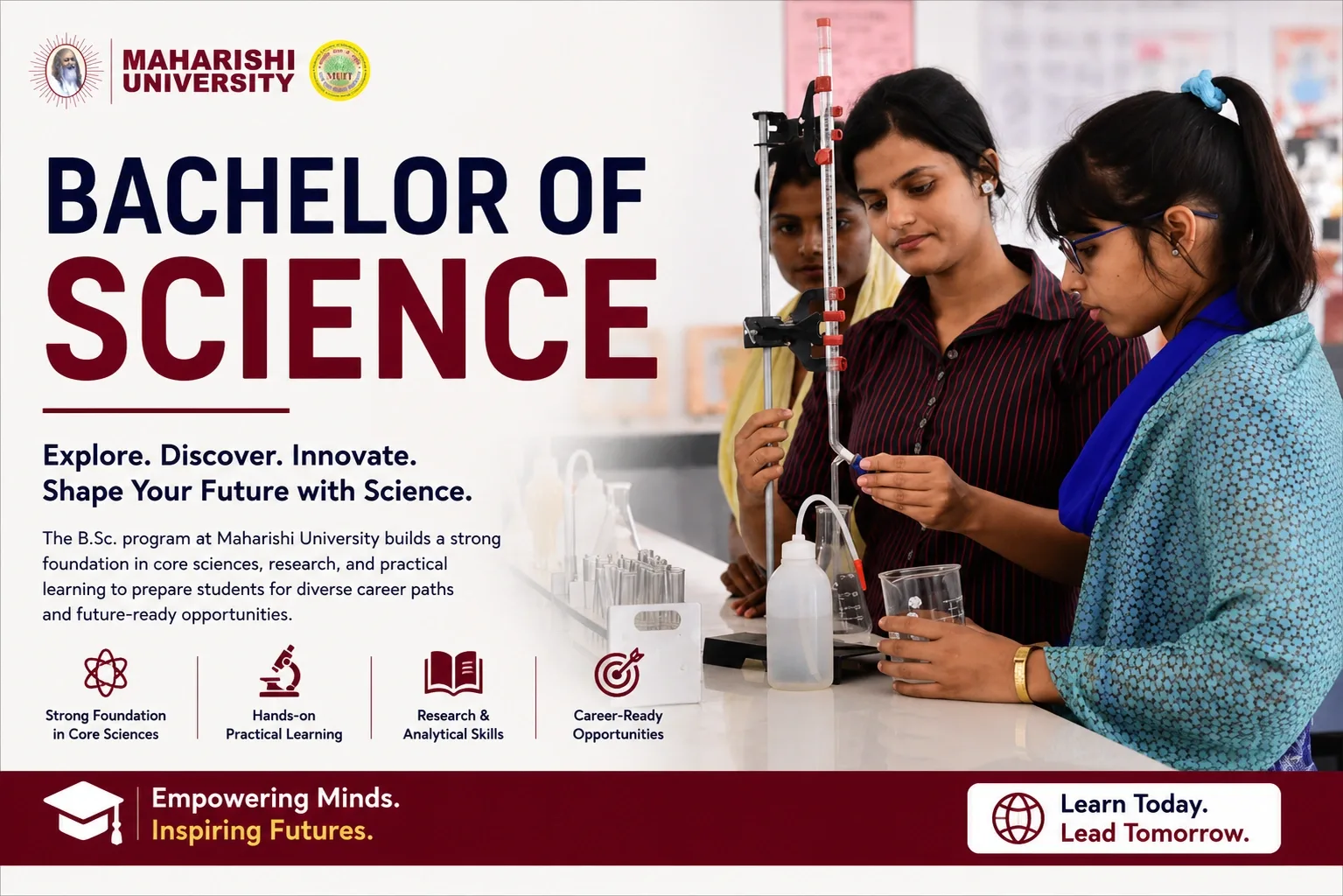
Apply Now for Bachelor of Science
📞 Call Us: +91-9870200541
📧 Email: [email protected]
🌐 Apply Online: MUIT Lucknow Admission Portal
🏫 Visit Website: MUIT Lucknow Official Website
FAQs About BSc Biotechnology
1. What is BSc Biotechnology?
BSc Biotechnology is an undergraduate programme that combines biological sciences with technology and focuses on the practical applications of biological knowledge.
2. What is the eligibility for BSc Biotechnology?
Students who have completed Class 12 with relevant Science subjects from a recognised board can generally apply, subject to the specific requirements of the university.
3. What subjects are taught in BSc Biotechnology?
Common subjects may include Cell Biology, Genetics, Microbiology, Biochemistry, Molecular Biology, Immunology, Genetic Engineering and Bioinformatics.
4. What are the career options after BSc Biotechnology?
Graduates can explore opportunities in laboratories, pharmaceuticals, research, healthcare, diagnostics, food technology, agriculture and environmental sectors.
5. Can I pursue higher studies after BSc Biotechnology?
Yes. Students can pursue MSc Biotechnology and other postgraduate or specialised programmes in areas related to life sciences and biotechnology.
6. Is BSc Biotechnology a good career option?
Yes, it can be a suitable option for students interested in biology, technology, research and scientific applications. Practical skills and higher education can further improve career opportunities.
7. What skills are important for a Biotechnology student?
Scientific thinking, laboratory skills, research ability, data analysis, problem-solving and strong subject knowledge are valuable skills for Biotechnology students.